
For international real estate developers, hotel procurement directors, and commercial general contractors, interior wall finishes represent a significant portion of the fit-out budget. Traditional wall treatments like multi-layer drywall taping, painting, or custom on-site millwork are labor-intensive, slow down project handovers, and are prone to high maintenance costs in high-traffic commercial spaces.
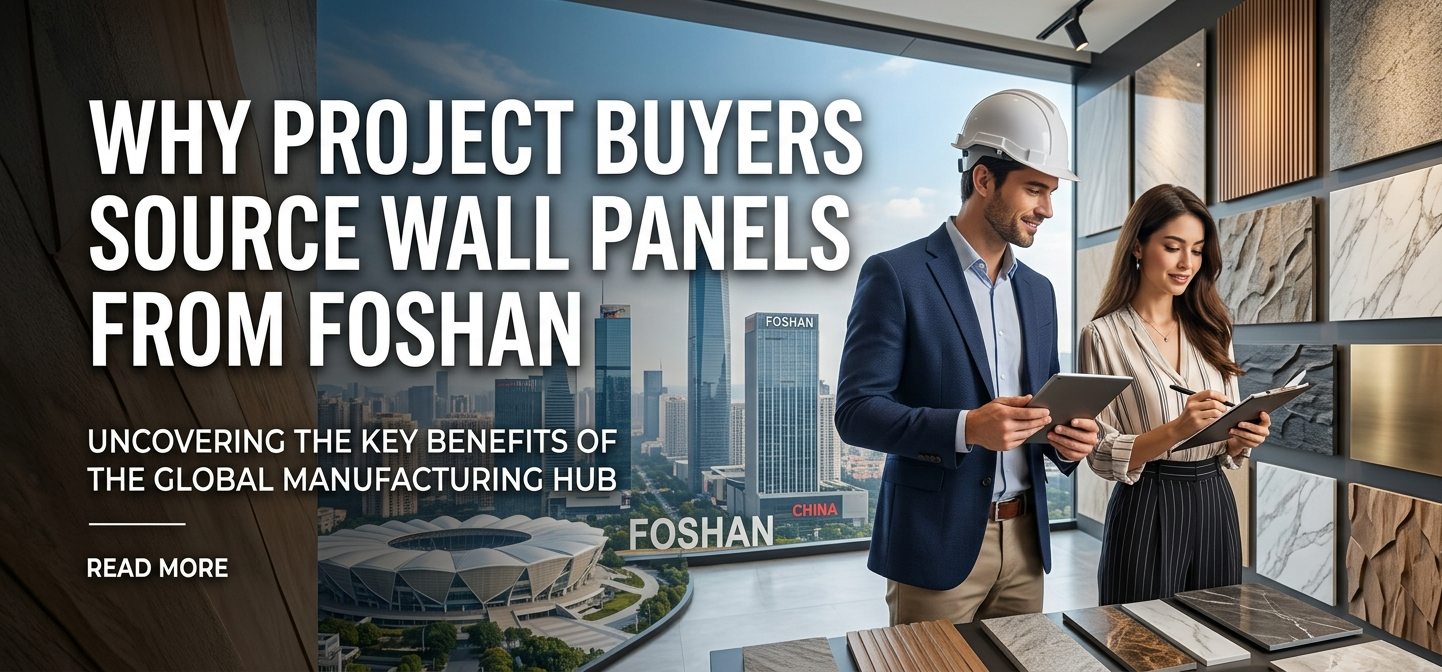
To compress construction timelines and control material expenses, institutional buyers routinely look to China’s manufacturing hubs. Among these, Foshan has emerged as the definitive global center for engineered wall panel procurement. This guide examines the structural, technical, and logistical reasons why commercial project buyers focus their wall cladding supply chains within the Foshan industrial cluster.
Key Takeaways
- Industrial Proximity Advantage: Foshan consolidates substrate extrusion, polymer chemistry, and automated lamination within a single municipal zone, lowering baseline production costs.
- Technical Spec Consistency: Local manufacturers operate heavy-duty automated PUR (Polyurethane) hot-melt lamination lines, producing panels that resist moisture and delamination in commercial environments.
- Logistical Volume Savings: Wall panels are flat-packed and highly volumetric, making them ideal for consolidation in mixed containers directly alongside heavy tiles and sanitary ware from the same region.
What makes the Foshan wall panel manufacturing cluster structurally different from other regions?
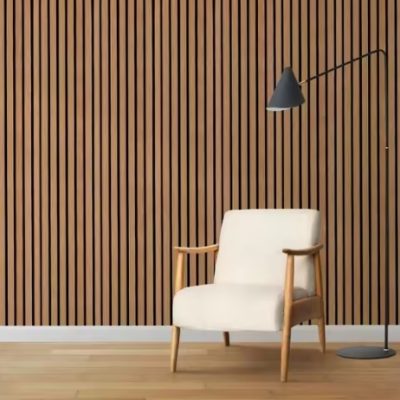
The competitive pricing of wall panels in Foshan—whether WPC (Wood Plastic Composite) fluted profiles, bamboo charcoal fiber boards, or high-end metal composite panels—is driven by geographical industrial density rather than raw material discounting.
In decentralized manufacturing zones, an extrusion plant must ship in raw polymer resins, stabilizers, wood flour, and surface decorative films from multiple provinces, accumulating significant domestic freight overhead. In Foshan (primarily across the Nanhai and Shunde districts), chemical compounding plants, precision tool-and-die makers, and decorative film printing facilities operate within the same industrial parks.
This proximity yields direct benefits for large-scale projects:
- No Domestic Freight Markups on Raw Materials: Factories source their production inputs locally, keeping ex-works (EXW) prices highly competitive.
- Rapid Custom Tooling: If a project requires a unique 3D fluted geometry or a non-standard tongue-and-groove interlocking depth, local mold fabricators can cut and calibrate custom steel extrusion dies within 10 to 14 days, compared to the 30-day industry standard elsewhere.
How does Foshan’s lamination technology prevent long-term wall panel failures?
For commercial real estate projects like multi-unit apartments or hotels, the biggest risk with engineered wall panels is surface delamination. In high-traffic corridors or humid guestroom bathrooms, low-grade cold glues or water-based adhesives break down, causing the decorative PVC or PET film to peel away from the core substrate.
Foshan has standardized PUR (Polyurethane) hot-melt lamination across its commercial production lines.
Technical Insight: PUR adhesive undergoes an irreversible chemical cross-linking reaction with ambient moisture during its curing phase. Once fully cured, the bond will not re-liquefy or soften, even when exposed to extreme heat or direct moisture.
Because the automated machinery builders and adhesive chemical formulations are developed and maintained directly within the Guangdong supply network, Foshan factories run these high-performance lines at a lower operational cost per linear meter. Project buyers secure commercial-grade durability without paying high specialization premiums.
Why is a one-stop building materials hub essential for color-matching across different product lines?
A major challenge when sourcing a large development project is achieving visual consistency across different interior finishes. Sourcing wall panels from a factory in one city, flush interior doors from a factory in another, and kitchen cabinetry from a third supplier almost always results in visible color and texture discrepancies at the job site. A “Warm Oak” or “Calacatta Marble” finish varies significantly between independent film printers.
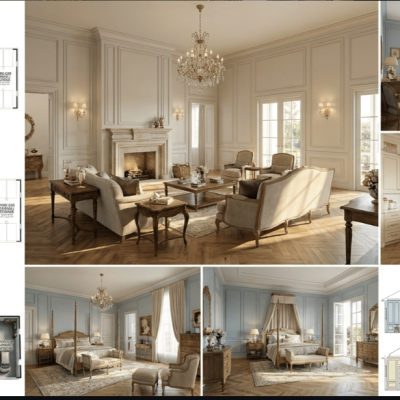
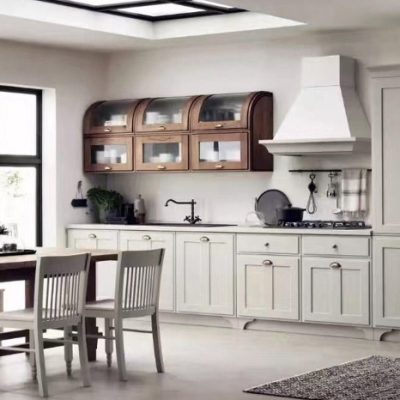
Foshan solves this structural issue because it is a true one-stop hub for whole-house interior customization. Wall panel manufacturers operate directly adjacent to high-volume custom door lines and cabinet assembly plants.
This geographic setup allows an independent sourcing agent to physically transport master control samples between independent factories before mass production begins. For instance, the exact same batch of scratch-resistant PET architectural film can be supplied to both the wall panel extruder and the bedroom wardrobe manufacturer, ensuring a seamless aesthetic match throughout the property.
How does mixed container consolidation lower the total landed cost of wall panels?
Wall panels are light but highly volumetric. If you fill an entire 40ft HQ container solely with hollow-core WPC panels or lightweight bamboo charcoal slates, the container will hit its maximum physical volume limit while utilizing less than half of its legal weight payload. This means you are paying full ocean freight rates to ship unutilized weight capacity.
Foshan’s diverse building materials ecosystem allows for strategic, density-stratified container loading:
[Top Tier]    ➔ Lightweight, Volumetric Cargo (Wall Panels, Trim Profiles, Mattresses)
[Middle Tier] ➔ Medium-Weight Cargo (Flat-Pack Cabinetry, Architectural Hardware)
[Bottom Tier] ➔ Heavy, High-Density Ballast (Porcelain Floor Tiles, Sanitary Ware)
By consolidating heavy porcelain tiles or stone surfaces on the container floor and layering flat-packed wall panels and aluminum trims securely on top, procurement managers maximize both the volume and weight limits of the container. This logistics approach drops the localized shipping cost per square meter of wall paneling by up to 30% compared to independent LCL (Less than Container Load) shipping.
Why Choose HSY Sourcing
Successfully navigating the hundreds of manufacturing lines in Foshan requires reliable, independent oversight on the factory floor. The HSY Sourcing Team operates as your dedicated project procurement and engineering office in Foshan.
- Strict Technical Quality Control: Our QC engineers conduct active, on-site inspections during your production run. We verify substrate core densities, measure interlocking tolerances with digital calipers, check flame-retardant (Class B1) additives, and test the lamination bond strength before the panels are packed.
- Cross-Factory Material Matching: We manage the color-matching process by hand. We coordinate directly between your wall panel, door, and cabinet manufacturers, ensuring that all decorative films and veneers match perfectly before production starts.
- Optimized Warehouse Staging & Loading: We operate local staging facilities in Foshan to handle multi-vendor consolidation. We design and execute engineered container loading plans to optimize space, prevent shifting during transit, and eliminate crushing damage to your wall panels.
- Pure B2B Project Focus: We work exclusively with international real estate developers, hotel procurement managers, and general contractors. We understand compliance documentation, packaging requirements for job sites, and the absolute importance of meeting your construction handover schedule.
Frequently Asked Questions (FAQ)
What are the standard length specifications for wall panels sourced from Foshan?
While standard stock lengths are typically 2.8 meters or 3.0 meters to match standard residential ceilings, Foshan extrusion lines can customize panel lengths (e.g., 2.9m, 3.2m, or 3.6m) for high-volume project orders. Ordering custom lengths reduces on-site cutting waste, saves labor time, and eliminates horizontal seams on tall accent walls.
How do Foshan wall panels comply with international commercial fire codes?
For commercial developments like hotels and public apartments, we source panels engineered with specialized flame-retardant additives. High-quality WPC and bamboo charcoal panels are independently tested by firms like SGS to meet Class B1 fire ratings (difficult to ignite, self-extinguishing, low smoke emission). For strict Class A non-combustible requirements, we shift specifications to aluminum honeycomb composite panels.
What is the typical production lead time for a 5,000-square-meter wall panel order?
If the project utilizes a standard public mold profile, production typically takes 15 to 20 days once the master color lot and shop drawings are approved. If a custom extrusion mold needs to be cut, add an extra 10 to 14 days for tooling fabrication and initial sample testing.