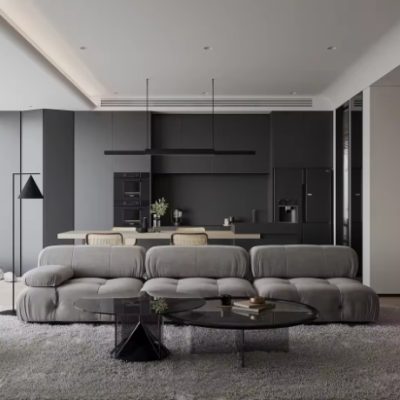

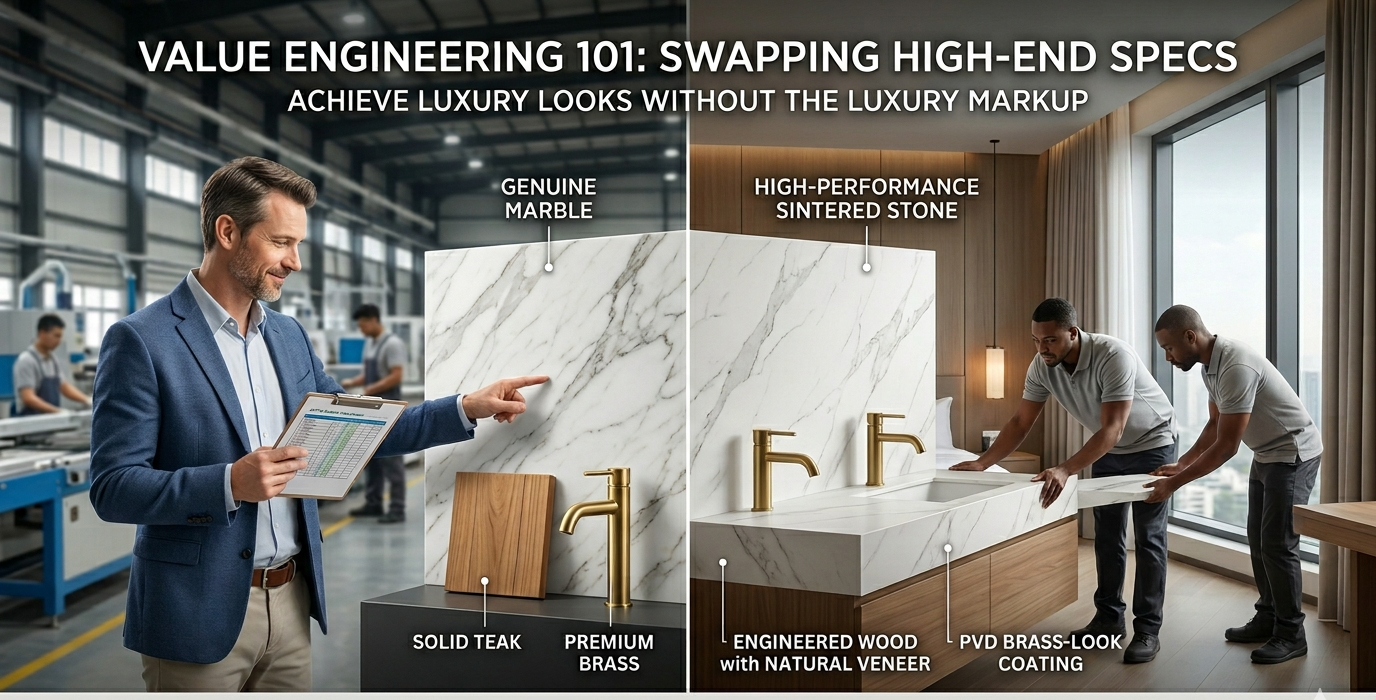
In the hospitality industry, the gap between a designer’s vision and a developer’s budget is usually where projects stall. A designer might specify a $5,000 Italian marble vanity, but when you multiply that by 200 rooms, the project is no longer viable.
This is where Value Engineering (VE) becomes the most valuable tool in your procurement strategy. VE isn’t about “cheapening” the project; it is the process of identifying expensive, low-impact materials and replacing them with high-performance, cost-effective alternatives that maintain the 5-star look and feel.
What exactly is Value Engineering in hospitality procurement?
Value Engineering is the functional analysis of every item in your Bill of Quantities (BOQ). We ask one question: Can we achieve the same aesthetic and durability for less money?
In Foshan, VE is highly effective because of the industrial diversity. We aren’t just choosing between “good” and “bad.” We are choosing between different manufacturing processes. For a hotel, the goal is to protect the Guest Touchpoints—the things guests see, touch, and use daily—while optimizing the “background” materials that provide the structure.
How can you swap luxury materials without guests noticing the difference?
The secret to successful VE is knowing which materials have high-quality “twins” in the Foshan market. Here are the three most common swaps we execute for property developers:
- Natural Stone vs. Sintered Stone: High-end projects often call for Calacatta or Carrara marble. However, natural marble is porous, stains easily, and is incredibly expensive to ship. We often swap this for Sintered Stone or high-grade porcelain slabs. These are digitally printed to replicate the exact veining of marble but are non-porous, scratch-resistant, and significantly cheaper.
- Solid Wood vs. Engineered Substrates with Premium Veneer: For guestroom wardrobes and headboards, solid wood is prone to warping in different climates. By using High-Density Fiberboard (HDF) wrapped in a Natural Wood Veneer, you get the warmth and texture of real wood with better structural stability at 40% of the cost.
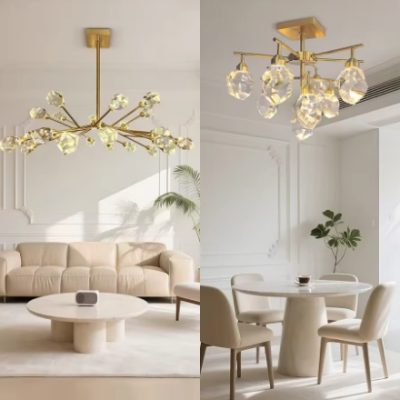
- Designer Lighting vs. Specialized Contract Replicas: A $2,000 lobby chandelier often consists of $300 worth of crystal and $1,700 worth of “brand tax.” Foshan’s lighting district (Guzhen) specializes in manufacturing these exact designs to contract-grade standards using the same K9 crystals and stainless steel frames.
Why are “hidden” specs the best place to find budget wins?
If you want to save money without hurting the guest experience, look at the things the guest never sees.
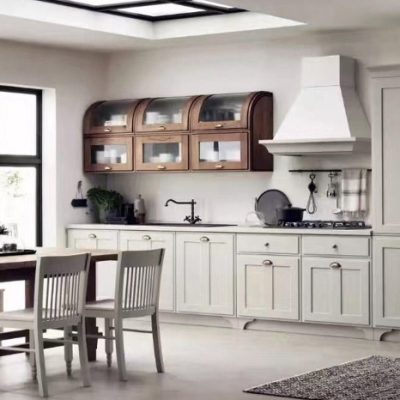
For example, a kitchen cabinet’s “luxury” feel comes from the Hardware, not just the door panel. You can use a more affordable melamine-faced board for the cabinet carcass (the box), which saves a fortune. You then take a fraction of those savings and invest in high-end soft-close hinges and drawer slides. The guest feels the smooth, silent motion—the hallmark of luxury—but the developer saves 20% on the total millwork package.
How do we verify that “VE alternatives” actually last in a hotel environment?
The biggest risk of Value Engineering is accidentally buying “Residential Grade” instead of “Contract Grade.” A chair built for a home only needs to last through a few uses a day; a hotel chair needs to survive hundreds of guests.
To ensure the VE swap doesn’t backfire, we enforce strict technical thresholds:
- Martindale Rub Count: Any fabric swap must meet a minimum of 30,000+ rubs for hotel guestrooms.
- Formaldehyde Standards: All wood substrates must meet E1 or E0 emission standards to ensure guest safety and air quality.
- Hardware Cycle Testing: We verify that hinges and sliders are rated for at least 50,000 to 100,000 cycles.
- Anti-Fouling/Waterproof Ratings: Especially for bathroom and kitchen materials, we demand laboratory test reports before approving a supplier switch.
Key Takeaways
- Protect the Touchpoints: Spend your budget on faucets, door handles, and linens. Save your budget on wall panels, carcasses, and structural glass.
- Leverage Sintered Stone: It is the “cheat code” for achieving a luxury marble look with better durability and a lower price point.
- Standardize Internal Components: Use the same high-quality hardware across the whole project, even if the exterior finishes of the furniture change between room tiers.
- Demand Lab Reports: Never swap a specification based on a photo; always verify the technical test reports (Fire rating, VOCs, Rub count).
FAQ: Value Engineering for Developers
Q: Does Value Engineering void my designer’s warranty or vision?
A: No. Professional VE is a collaborative process. We provide physical samples of the proposed alternative (the “VE Sample”) alongside the original specification. The designer signs off on the aesthetic, and we guarantee the technical performance.
Q: Can I VE the windows and doors?
A: You can, but you must be careful. You can optimize the aluminum alloy grade or the glass coating (Low-E), but you should never compromise on the U-Value or Wind Pressure Resistance required by your local building codes.
Q: When is the best time to start the VE process?
A: During the mock-up room (model room) phase. This is when we can test the alternatives in a real-world setting. Changing specs once mass production has started is nearly impossible and very expensive.
Smart Procurement with HSY Sourcing
At HSY Sourcing, we don’t just “buy products.” we act as your technical bridge in Foshan. We know which factories can produce the “look” of a luxury brand without the luxury markup.
- BOQ Optimization: We scan your bill of quantities to find the “low-hanging fruit” where you are overpaying for a brand name.
- Material Science Expertise: We help you navigate the complex world of Chinese material grades to find the perfect performance-to-price ratio.
- On-the-Ground Verification: We physically test the VE alternatives in the factory to ensure they meet your project’s specific requirements.