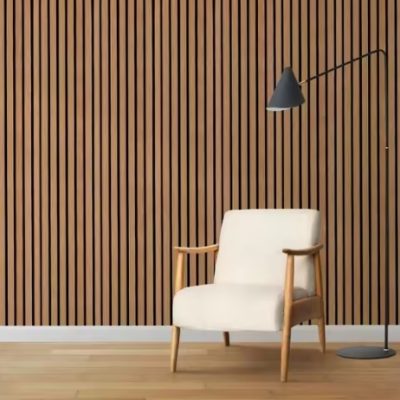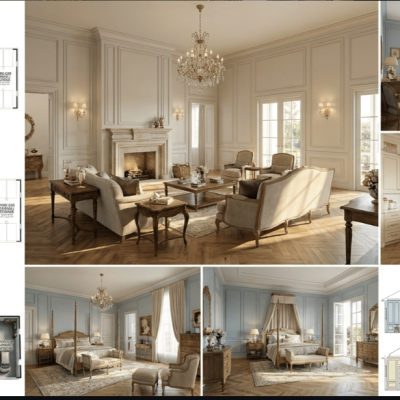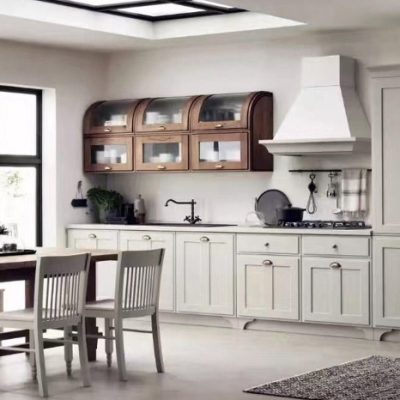

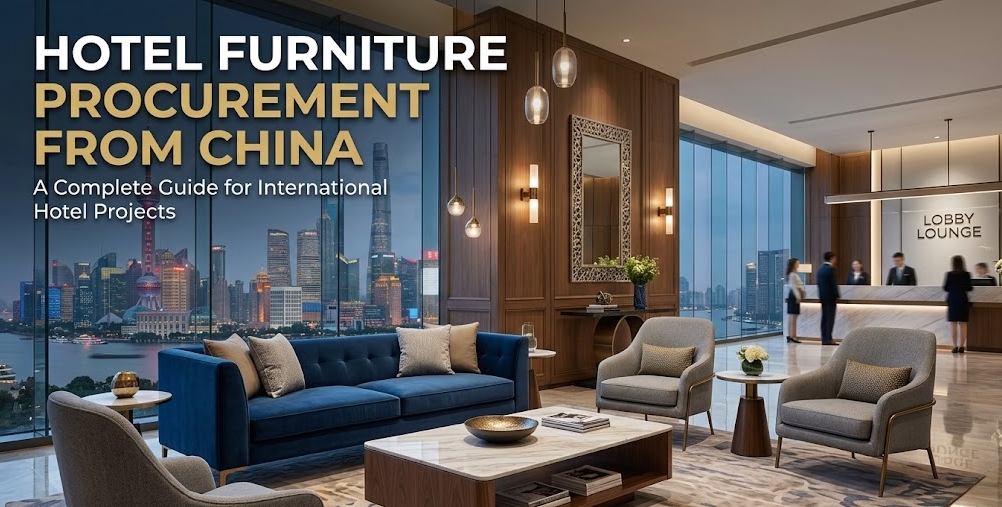
Procuring Furniture, Fixtures, and Equipment (FF&E) and architectural millwork for an international hotel development or a large-scale luxury villa estate represents one of the most capital-intensive phases of construction. Whether you are fitting out a 150-room boutique hotel or a multi-building private estate, the furniture package must combine custom aesthetic design with commercial-grade durability.
Foshan, Guangdong—centered around the manufacturing districts of Lecong, Longjiang, and Nanhai—is the global capital for commercial furniture fabrication. The local industrial cluster provides direct access to high-capacity factories specializing in custom wood joinery, architectural metalwork, stone integration, and commercial upholstery.
However, executing an overseas procurement project involves significant technical complexities. Misinterpreting CAD elevation details, failing to verify timber moisture content, or ignoring international fire retardancy codes can result in costly project delays, customs rejections, or jobsite fitting failures.
This operational guide outlines the step-by-step process for sourcing custom commercial furniture and luxury estate joinery from Foshan, covering technical specifications, blueprint conversions, factory mockup audits, compliance certifications, and freight consolidation.
Key Takeaways
- Specify Commercial-Grade Structural Engineering: Standard residential retail furniture is unsuited for high-traffic hospitality or estate use. Commercial FF&E requires kiln-dried solid wood frames (8%–12% moisture content), mortise-and-tenon joints, commercial PU lacquers, and high-density foam (≥45 kg/m³).
- Never Skip the 1:1 Factory Mockup Audit: Before releasing full production deposits, physically inspect or third-party audit a fully assembled 1:1 room mockup (Golden Sample) in Foshan to evaluate veneer matching, drawer tolerances, MEP cutouts, and ergonomics.
- Verify Import and Fire Code Compliance Early: Upholstered items must meet regional flammability standards (such as CAL 117 in the US or BS 5852 in the UK). Composite wood panels must comply with TSCA Title VI formaldehyde rules to clear customs.
- Consolidate Multi-Factory Orders in a Local Warehouse: Staging furniture across multiple specialized suppliers into a central Foshan warehouse allows for uniform receiving inspection, proper A-frame stone crating, and optimized FCL (Full Container Load) packing to cut shipping costs.
What Material and Engineering Standards Separate Hospitality Furniture from Retail Pieces?
A recurring failure mode in furniture procurement happens when residential retail manufacturers attempt to build commercial hotel or luxury estate FF&E. Retail pieces are designed for light home use, whereas hospitality and high-end villa furniture must endure heavy daily wear while maintaining structural stability.
+-----------------------------------------------------------------------------------+
|               COMMERCIAL FF&E vs. RESIDENTIAL RETAIL SPECIFICATIONS               |
+--------------------------+------------------------------+-------------------------+
| Feature                  | Standard Residential Retail  | Commercial Hospitality   |
+--------------------------+------------------------------+-------------------------+
| Solid Wood Moisture      | 14% – 18% (Air-dried/Unstable)| 8% – 12% (Kiln-Dried)   |
| Frame Construction       | Pocket Screws & Staples      | Mortise & Tenon + Blocks|
| Cushion Foam Density     | 25 kg/m³ – 30 kg/m³          | ≥ 45 kg/m³ High-Resilient|
| Fabric Abrasion Rating   | 10,000 – 15,000 Double Rubs  | > 30,000 Double Rubs    |
| Surface Lacquer          | Nitrocellulose (NC)          | Commercial PU / UV Cured|
| Drawer Hardware          | Light-duty Soft-Close        | DTC / Blum (≥ 35kg Load)|
+--------------------------+------------------------------+-------------------------+
1. Timber Selection and Kiln-Drying
Wood is a hygroscopic material that expands or contracts based on environmental humidity. Solid timber (such as ash, oak, walnut, or beech) used in Foshan factories must be kiln-dried to an exact moisture content of 8% to 12%. Using unseasoned timber causes solid wood legs, headboards, and table tops to warp or split when installed in drier climate zones across North America, Europe, or the Middle East.
2. Mechanical Joinery and Frame Rigidity
All load-bearing frames—including dining chairs, sofa bases, luggage benches, and bed surrounds—must utilize glued mortise-and-tenon joinery. Joints should be reinforced with corner block bracing and countersunk steel wood screws. Basic stapled or dowel-only construction will fail under repeated commercial usage.
3. Commercial Upholstery and High-Resilient Foam
Seat cushions for hotel lounge chairs and public area benches must maintain structural memory without sagging:
- Foam Core Specification: Require High-Resilient (HR) molded polyurethane foam with a minimum density of 45 kg/m³ for seat cushions and 35 kg/m³ for backrests.
- Fabric Durability: Specify commercial upholstery fabrics tested to 30,000+ Wyzenbeek double rubs (US standard) or 40,000+ Martindale cycles (UK/EU standard) for guest rooms, and 50,000+ double rubs for public lobby seating.
How Do You Convert Architectural Concepts into Production-Ready Shop Drawings?
Designers and architects typically provide 3D visual renderings and elevation sheets. However, factories in China cannot build directly from design concepts. Every item requires fully detailed, factory-issued CAD shop drawings before material cutting begins.
DESIGNER CONCEPT ELEVATION                 FACTORY CAD SHOP DRAWING
  - Visual 3D Rendering                      - 1:1 Scale Metric Measurements
  - Overall Outer Dimensions          ──>    - Internal Structural Framing Details
  - Color & Material Swatch Refs             - MEP & Wire Management Cutouts
                                             - Hardware Installation Positions
Critical Blueprint Reconciliation Points:
- Metric Unit Standardization: Conversion from feet/inches to millimeters must be calculated precisely to ensure built-in cabinetry (wardrobes, vanity units, wall paneling) fits within site Rough Openings (R.O.) with an allowed perimeter fitting tolerance of 10 mm to 15 mm.
- MEP (Mechanical, Electrical, Plumbing) Integration: Headboards, writing desks, and nightstands require integrated wire raceways, junction box cutouts, and LED driver ventilation channels. These routing paths must be mapped on shop drawings prior to CNC panel cutting.
- Veneer Flitch and Grain Alignment: High-end architectural millwork requires explicit notes on veneer selection (e.g., natural crown-cut walnut or quarter-sawn oak) and matching techniques (book-match, slip-match, or architectural running match) across continuous drawer faces and wall panels.
Why Is the 1:1 Factory Mockup Room the Most Critical Phase of Your Procurement?
For full-scale hotel projects or sprawling private villa estates, moving directly from drawing sign-off into mass manufacturing introduces major operational risk. Building a complete 1:1 mockup room (the “Golden Sample”) at the Foshan factory is essential for catching design and engineering flaws early.
+-----------------------------------------------------------------------------------+
|                        MOCKUP ROOM AUDIT CHECKLIST                                |
|                                                                                   |
|  [Dimensional Accuracy] ◄── Verify Clearances for Doors, Outlets & Plumbing       |
|  [Hardware Mechanics]   ◄── Test Drawer Slides, Flap Stays & Concealed Hinges     |
|  [Surface Consistency]  ◄── Audit Wood Stain Sheen, Stitching & Metal Finishes     |
|  [Assembly Efficiency]  ◄── Test Knock-Down (KD) Hardware and On-Site Fit Logic   |
+-----------------------------------------------------------------------------------+
What to Audit During the Mockup Review:
- Visual Match and Sheen Levels: Inspect finished wood stains under both 3000K warm LED lighting and natural daylight to confirm color consistency against signed control swatches.
- Hardware Functionality: Test soft-close drawer slides, heavy-duty concealed door hinges, and sliding door mechanisms under full load weight. Confirm that handles and recessed pulls are positioned comfortably.
- Structural Load Testing: Apply weight strain tests to wall-mounted vanities, floating nightstands, and luggage benches to verify that structural mounting brackets hold securely without deflection.
- Knock-Down (KD) Assembly Checks: For flat-packed items (such as large wardrobes or modular headboards), audit the assembly logic to ensure thread inserts, cam locks, and dowel points align easily for jobsite installers.
How Do You Navigate Flammability Codes, Emissions, and Import Compliance?
Exporting custom commercial furniture from China into overseas markets requires strict adherence to destination safety and environmental regulations. Non-compliant shipments risk impoundment at destination ports or rejection by local building inspectors.
+-----------------------------------------------------------------------------------+
|                     INTERNATIONAL COMPLIANCE REQUIREMENTS                         |
+-------------------+--------------------------------+------------------------------+
| Destination Market| Flammability Standard          | Environmental / Timber Rule  |
+-------------------+--------------------------------+------------------------------+
| United States     | CAL 117-2013 / NFPA 260        | EPA TSCA Title VI / Lacey Act|
| United Kingdom    | BS 5852 (Crib 5 for Commercial)| EUTR / FSC Certification     |
| European Union    | EN 1021-1 & EN 1021-2          | EUTR Timber Regulations      |
| Australia / NZ    | AS/NZS 3744                    | Biosecurity Timber Checks    |
+-------------------+--------------------------------+------------------------------+
- Upholstery Flammability Standards: All polyurethane foam cores, barrier interliners, and outer fabrics supplied by the factory must carry certified lab test documentation matching destination fire codes (such as CAL 117 in North America or BS 5852 Crib 5 in the UK).
- Formaldehyde Emission Limits: All composite wood products (MDF, particleboard, hardwood plywood) used in furniture construction must hold verified EPA TSCA Title VI (or CARB Phase 2) compliance labels for US entry.
- Timber Traceability (Lacey Act): Solid wood species must be fully documented with correct botanical names and origins to meet environmental declarations. All solid timber packaging and pallets must bear legible ISPM 15 heat-treatment (HT) stamps.
How Are Custom Wood Casework and Upholstery Packed and Loaded to Prevent Freight Damage?
Custom furniture features delicate lacquer finishes, natural wood veneers, polished brass inlays, and natural stone tops. Salt air, ship vibration, and rough port handling will ruin improperly packaged goods during ocean transit.
+-------------------------------------------------------------------------+
|                  MULTI-STAGE EXPORT PACKAGING STRUCTURE                 |
|                                                                         |
|  [Item Surface] ──> EPE Foam Wrap + Non-Abrasive Protective Film        |
|  [Edges & Corners] ──> 5mm Rigid Cardboard / Plastic Corner Guards      |
|  [Outer Box] ──> 5-Ply Heavy-Duty Corrugated Carton                      |
|  [Fragile Tops] ──> Fumigated Solid Plywood Crate with Foam Lining      |
+-------------------------------------------------------------------------+
Packaging and Container Loading Protocols:
- Marble and Glass Crating: Marble, sintered stone, and glass tops are packed inside fully enclosed, custom-built plywood crates lined with 20 mm high-density EPE foam. Stone slabs are mounted vertically on edge—never laid flat—to resist cracking under top pressure.
- Cabinet and Panel Edge Protection: Veneered wardrobe panels, headboards, and credenzas are wrapped in protective film, fitted with 5 mm rigid corner guards, and boxed inside 5-ply corrugated cartons.
- Weight-Balanced Container Staging: Heavy wooden casework forms the lower floor layer in the container. Lightweight boxed upholstery and foam cushions are stacked above. Empty spaces between crate stacks are filled with industrial inflatable dunnage air bags to prevent cargo shifting at sea.
Why Choose HSY Sourcing as Your Hotel & Villa Procurement Partner in Foshan?
Managing custom FF&E manufacturing, technical drawing conversions, quality control, and export logistics while based overseas introduces significant project risks. HSY Sourcing operates as your dedicated on-ground procurement office, technical inspector, and logistics manager in Foshan.
- Direct Foshan Manufacturing Network: Located in Foshan, we maintain daily operational relationships with premier hospitality factories, custom millwork joiners, and luxury upholstery workshops across Lecong, Longjiang, and Nanhai.
- In-House Blueprint & Engineering Review: Our team reviews factory CAD shop drawings against your architectural plans before production starts. We verify metric conversions, hardware specs, MEP cutouts, and fitting tolerances to prevent installation errors on site.
- Multi-Stage On-Site Quality Control: We do not rely on factory photos. Our inspectors visit factory floors during production—auditing raw timber kiln-drying moisture levels, checking frame mortise-and-tenon strength, testing foam densities, and inspecting veneer grain matching.
- Full Mockup Room Inspections: We supervise 1:1 mockup room builds in Foshan, conducting functional checks and capturing high-resolution photos and video documentation for your project team’s sign-off before mass production begins.
- Central Foshan Staging Warehouse: We receive finished items from multiple specialized factories into our dedicated Foshan staging warehouse. We hold goods free of charge, inspect outer packaging for ISPM 15 compliance, and personally supervise 3D-planned container loading with dunnage air bag bracing.
- Transparent Agency Model: We operate on a clear, flat agency fee structure with zero hidden factory kickbacks or inflated prices. You pay direct factory costs while receiving end-to-end operational execution on the ground in China.
Frequently Asked Questions (FAQ)
What is the typical lead time for sourcing custom hotel furniture from Foshan?
A standard procurement cycle for a custom hospitality or luxury villa furniture package spans 12 to 16 weeks:
- CAD Shop Drawing & Material Swatch Sign-Off: 2 to 3 weeks.
- 1:1 Mockup Room Production & Inspection: 3 to 4 weeks.
- Mass Factory Production: 5 to 6 weeks.
- Warehouse Consolidation & Ocean Freight: 3 to 5 weeks (depending on destination port).
Can Foshan factories produce small furniture batches for luxury custom villas?
Yes. While large commercial factories focus on high-volume hotel key counts, Foshan’s manufacturing cluster includes specialized luxury joinery workshops. These facilities cater to custom private villa builds, high-end private residences, and boutique estates that require bespoke, low-volume, high-craftsmanship furniture packages.
How do we verify that wood finishes and fabric colors match our interior designer’s swatches?
Before mass production starts, HSY Sourcing collects physical control swatches (wood stain chips, fabric cuts, metal finish swatches) from the factory and sends them to your design team for physical review. Once approved, these signed samples serve as the physical benchmark for our quality control team during factory inspections in Foshan.
What happens if an item arrives damaged on the construction jobsite?
By conducting receiving inspections at our Foshan staging warehouse and supervising container loading, transit damage is minimized. If an item is damaged during ocean shipping, HSY Sourcing maintains complete pre-shipment photo and video records. We coordinate directly with local repair specialists or arrange rapid replacement fabrication with the original factory under ocean marine insurance coverage.