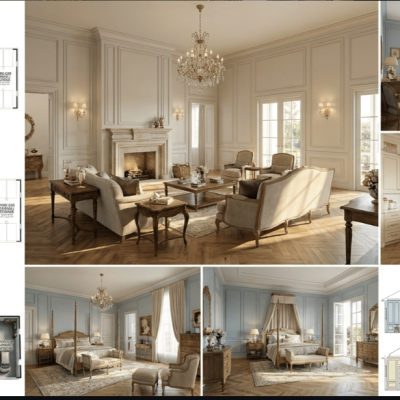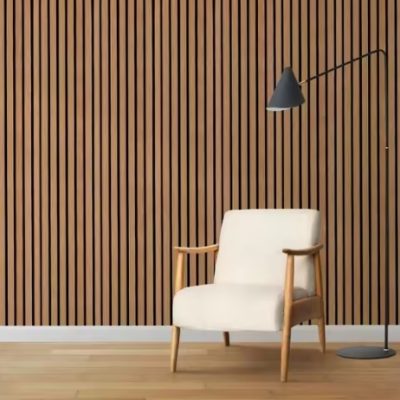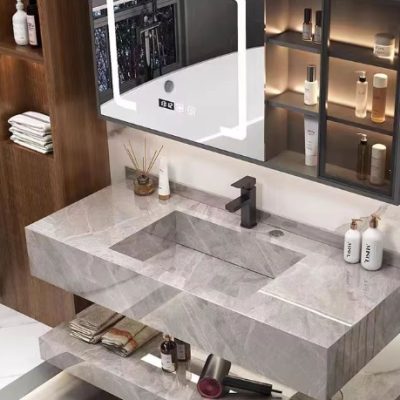

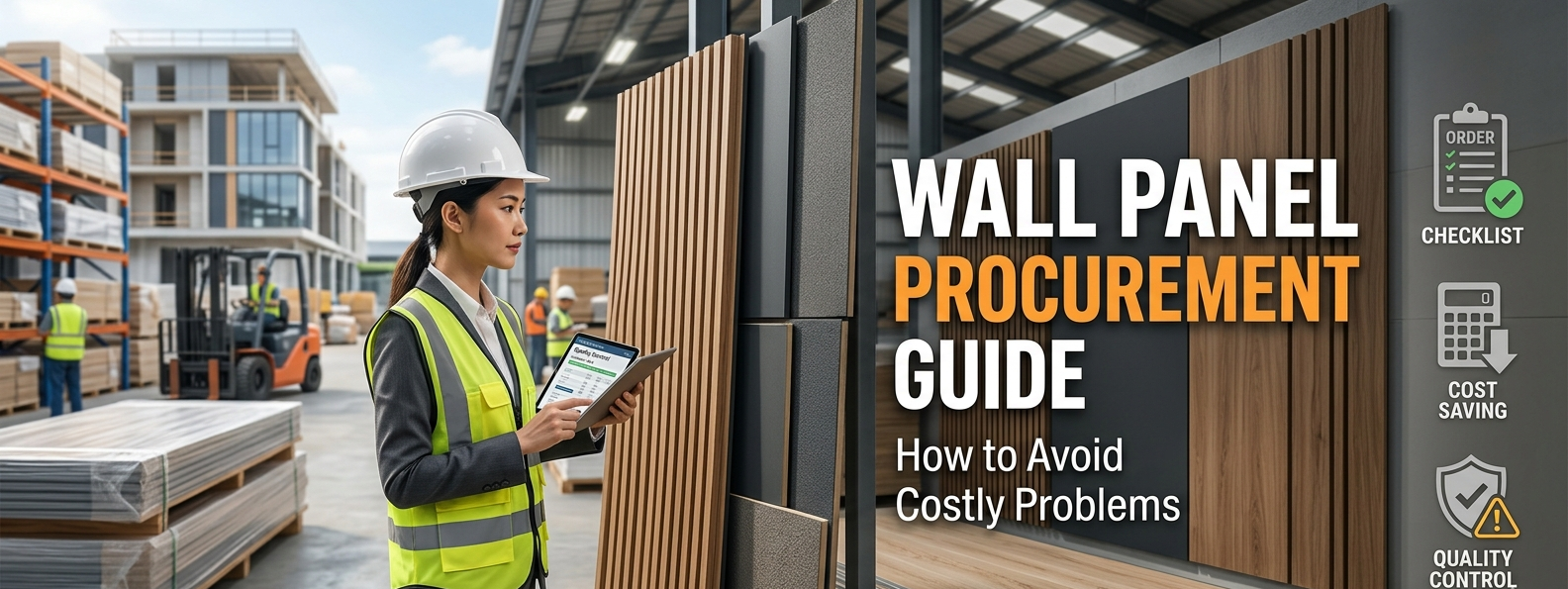
Interior wall panels—such as Wood Plastic Composite (WPC), bamboo charcoal fiberboards, and fluted acoustic panels—have become the standard for modern commercial interiors. They offer rapid installation and high-end aesthetics for hotels, serviced apartments, and luxury villas.
Because Foshan is a dominant manufacturing hub for decorative building materials, global developers heavily rely on this region to supply their interior fit-out projects. However, decorative panels are deceptively complex. What looks like a premium wood veneer on a PDF catalog can turn out to be a fragile, non-compliant piece of plastic upon delivery.
If you are managing the procurement for a large-scale real estate development, making assumptions about material specifications will lead to project delays, failed building inspections, and budget overruns. Here is a practical guide on what to check before placing your bulk order.
What Happens When You Choose the Wrong Core Material?
The surface film provides the look, but the core material dictates the lifespan of the wall panel. A frequent mistake procurement teams make is evaluating a sample based purely on its texture while ignoring the density of the core.
If you specify standard, low-density PVC panels for a high-traffic hotel corridor or a rental apartment, they will dent and crack upon impact from luggage or cleaning carts.
- For Commercial Traffic: You must specify solid co-extrusion WPC or high-density bamboo charcoal fiber cores. These materials possess the structural rigidity required to withstand daily commercial abuse.
- For Wet Areas: Standard MDF (Medium-Density Fiberboard) cores will swell and rot if installed in hotel bathrooms or coastal villa basements. Wet areas require 100% waterproof polymer composites.
Are You Checking Fire Ratings and Environmental Certifications?
Commercial buildings operate under strict legal liabilities. You cannot legally install highly flammable or toxic materials in public spaces or residential apartments.
Many factories lower their production costs by using recycled plastics mixed with cheap, formaldehyde-heavy adhesives.
- Fire Compliance: For hospitality and multi-family projects, your wall panels must achieve a Class B1 (Flame Retardant) or Class A rating. You must demand verifiable laboratory test reports (such as ASTM E84 or EN 13501-1) matching the exact product you are ordering.
- Emission Standards: To ensure indoor air quality and pass environmental inspections, strictly mandate E0 or EN 717-1 formaldehyde emission standards in your purchasing contract.
How Do Uncalibrated Joints Ruin the Installation?
The primary advantage of modern wall panels is the rapid tongue-and-groove or click-lock installation system. This system relies on absolute milling precision at the factory level.
If the manufacturer’s extrusion machinery is uncalibrated, the locking edges will be too tight or too loose. When your contractors attempt to install them on-site, the panels will not sit flush. This creates visible, uneven gaps across the wall—a defect that destroys the high-end finish required for luxury villas and boutique hotels. Furthermore, brittle locking joints will snap during ocean freight transit. You must physically inspect the joint tolerance and edge durability before the panels are packaged.
Why is Relying on Factory Photos a Massive Risk?
For pre-finished decorative panels, surface quality must be flawless prior to shipping because they cannot be repainted or sanded on-site.
If you rely solely on the factory’s pre-shipment photos, you are taking a massive financial risk. A standard photograph will not reveal:
- Poor Lamination: Whether the decorative PVC film or wood veneer is peeling away from the core at the edges due to weak bonding glue.
- Inconsistent Dye Lots: Color variations across different production batches. In a large hotel lobby, panels from two different dye lots placed next to each other will look like a glaring mistake under architectural lighting.
Quality control requires an inspector on the factory floor, matching current production batches against the original signed master sample under consistent lighting conditions.
How Can Centralizing Procurement in Foshan Save Your Budget?
Foshan’s primary geographical advantage is its high concentration of integrated supply chains. The city does not just produce wall panels; it is the global center for aluminum windows, ceramic tiles, and commercial furniture.
If you order wall panels from one province and aluminum doors from another, you pay for multiple domestic truck shipments and inefficient, partially empty ocean containers.
By centralizing your procurement in Foshan, you leverage cross-category consolidation. A local agent can gather your heavy building materials (like floor tiles) and load them into the base of a shipping container, then securely pack your lighter, long wall panels on top. This perfectly utilizes the container’s maximum weight and volume, significantly reducing your total freight cost.
Key Takeaways
- Specify the Core: Never buy based on aesthetics alone. High-traffic commercial projects require high-density WPC or bamboo fiber cores, not standard PVC or MDF.
- Demand Certifications: Enforce B1/Class A fire ratings and E0 emission standards directly in the manufacturing contract to pass local building inspections.
- Verify the Joints: Uncalibrated tongue-and-groove joints lead to visible gaps on-site. Physical mid-production inspection is required to ensure milling precision.
- Consolidate to Save: Use Foshan’s industrial cluster to combine your wall panels with heavy building materials, eliminating empty container space and cutting freight costs.
Why Choose HSY Sourcing for Your Project?
Located directly in Foshan, HSY Sourcing serves as your dedicated, on-the-ground procurement and engineering team. We protect developers and contractors from the technical and logistical risks of importing building materials.
- Direct Factory Leverage: We bypass trading companies, taking you directly to Foshan’s tier-one manufacturing lines. You get authentic factory-gate pricing for your commercial fit-outs.
- Strict Quality Control: We do not accept verbal promises. Our team physically inspects the production lines to verify core density, test lamination strength, and ensure strict color consistency before packaging.
- Trim and Hardware Coordination: We analyze your architectural CAD files to ensure every matching edge trim, corner profile, and starting track is included in the production run, preventing installation delays.
- Strategic Consolidation: We stage your wall panels, doors, and furniture in our Foshan warehouse, engineering the container load to maximize your shipping budget and protect fragile panels from transit damage.
Visit www.hsysourcing.com to share your interior material schedules. Let our local team secure a compliant, risk-free supply chain for your development.
Frequently Asked Questions (FAQ)
Q: What is the standard lead time for bulk interior wall panel orders from Foshan?
A: Standard WPC and bamboo fiber panels typically take 15 to 20 days to manufacture once the sample is approved. If you require custom colors, bespoke fluted profiles, or specific fire-retardant cores, expect a production time of 25 to 30 days.
Q: Can Foshan factories match the specific wood grain or solid color specified by our interior designer?
A: Yes. You can provide a physical swatch or a standard color code (like Pantone or RAL). We will work with the factory to produce a physical counter-sample with the exact PVC film or veneer for your final approval before mass production begins.
Q: How do you prevent long wall panels from warping or breaking during ocean freight?
A: Packaging is critical. We ensure that panels are packed flat in reinforced, heavy-duty honeycomb cartons with hard corner protectors. During container loading, we ensure they are laid on perfectly flat surfaces—often supported by custom wooden pallets—to prevent any bowing or structural stress during the 30-day ocean transit.