
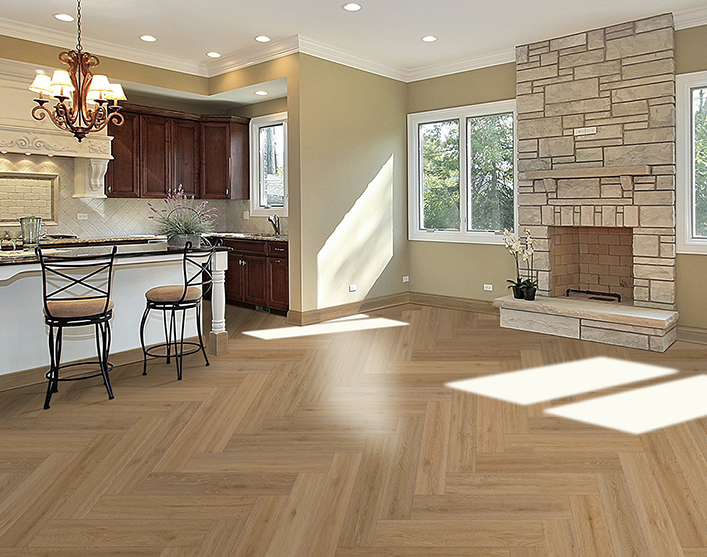
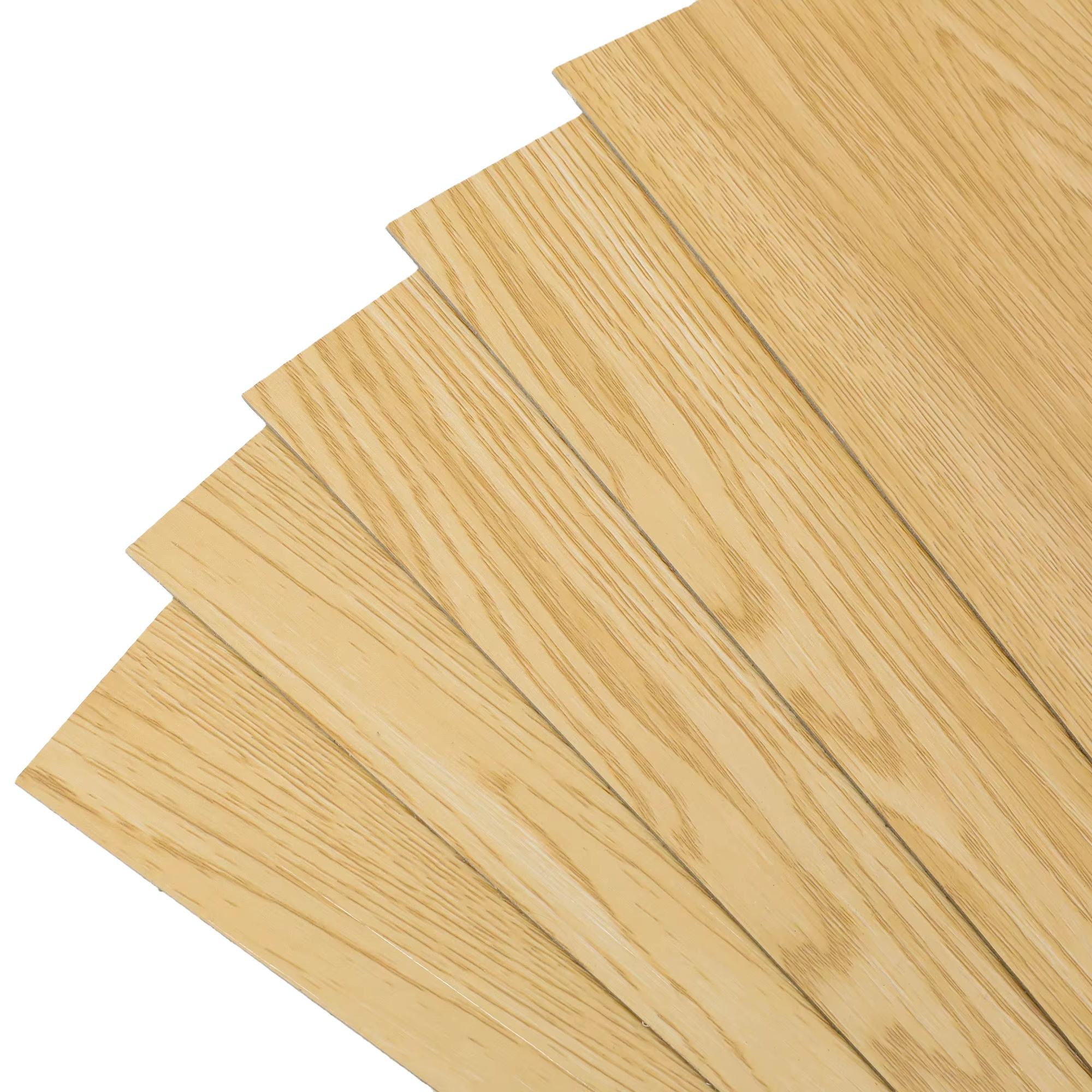
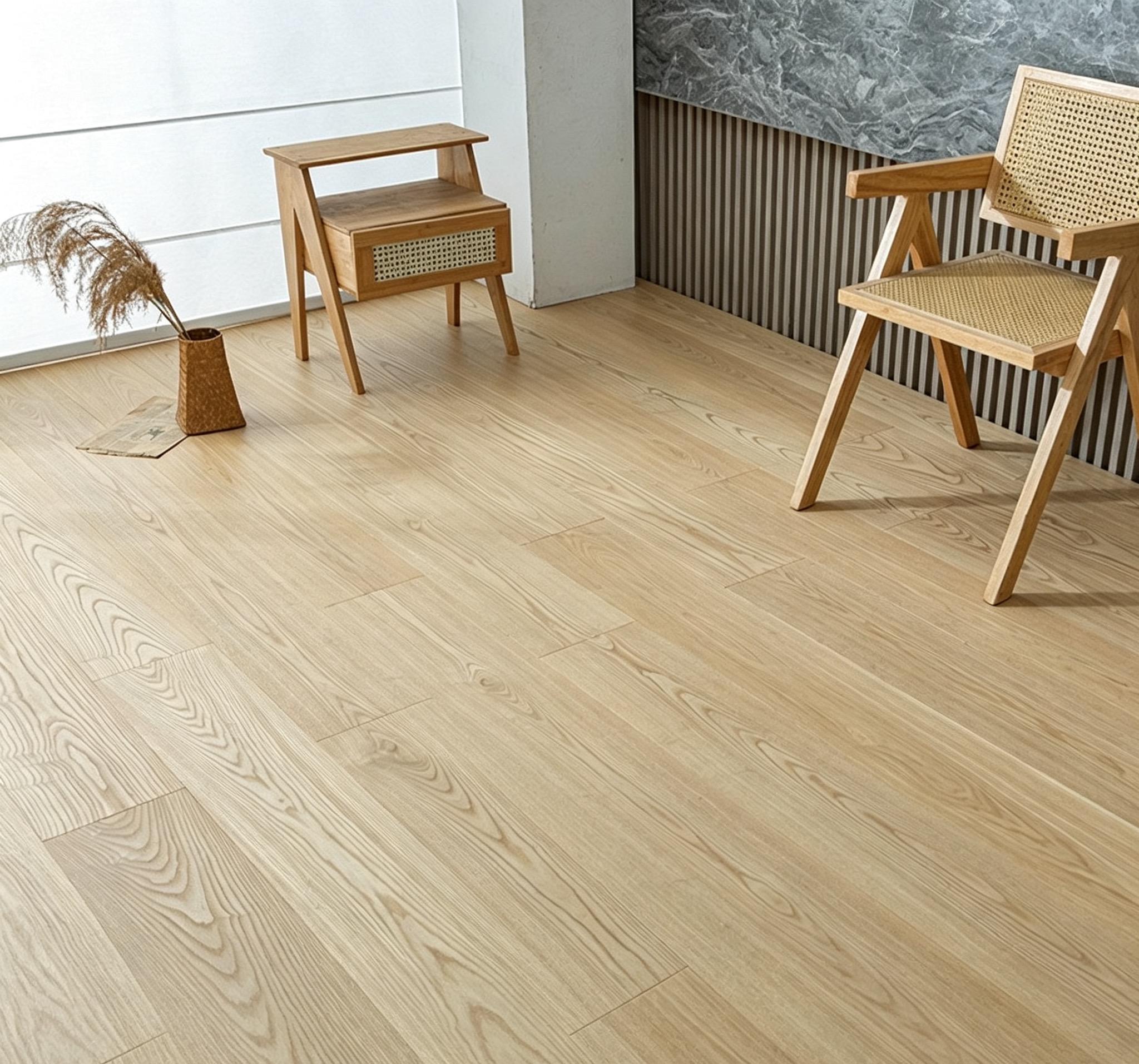
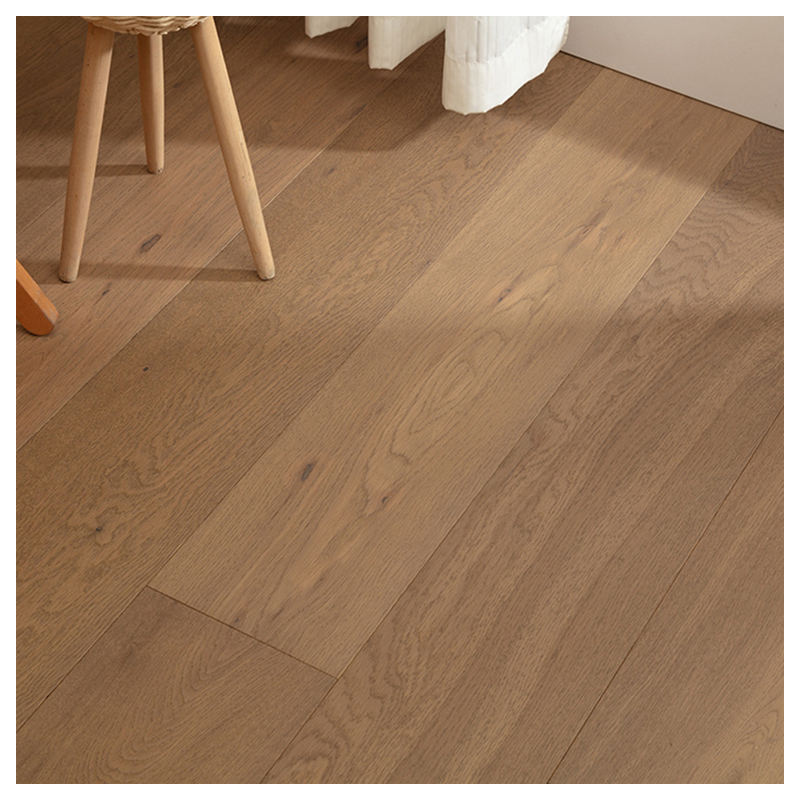
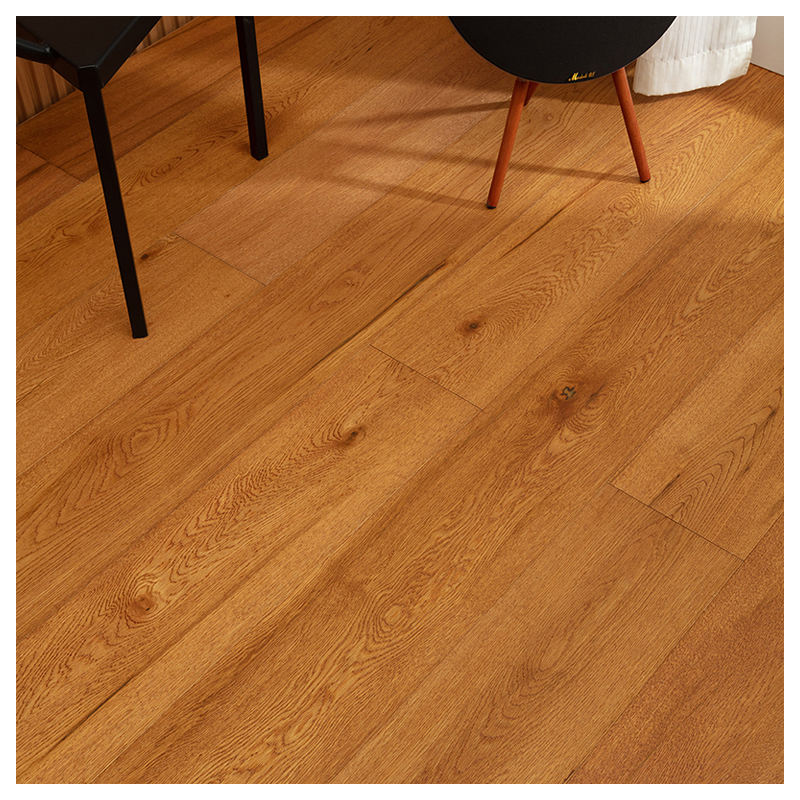
Sourced by HSY Sourcing from Guangdong and Zhejiang manufacturing clusters. Consolidated at our Foshan warehouse and shipped alongside tiles, furniture, and interior goods.
→ Looking for a sourcing agent for flooring in China? Flooring Sourcing Service
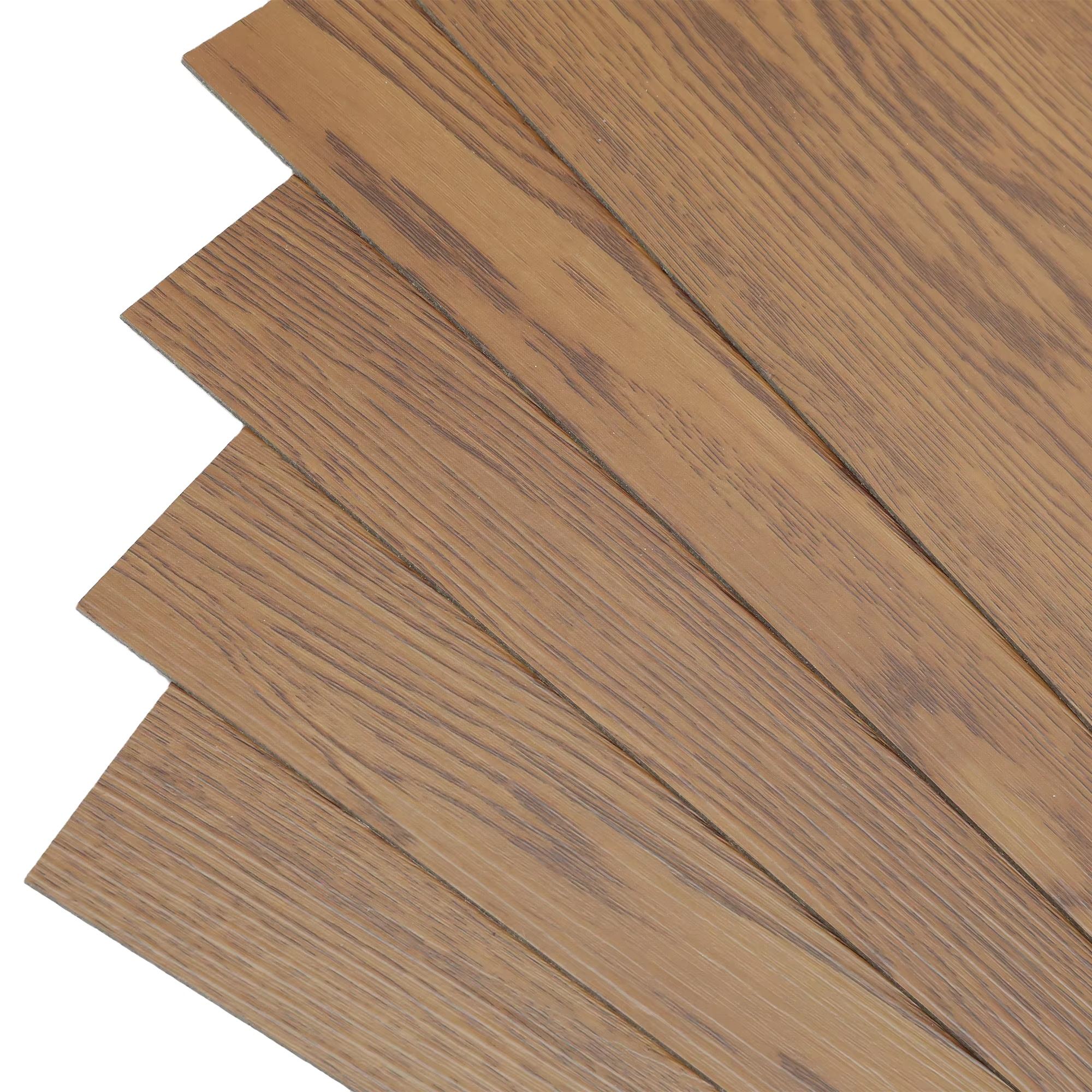
SPC (Stone Plastic Composite) and LVT (Luxury Vinyl Tile/Plank) are the two most commonly sourced flooring categories from China for international residential and commercial projects. Both are produced at large scale in Guangdong and Zhejiang, exported to most international markets, and available at factory-direct pricing significantly below retail equivalents in most destination countries.
This page covers the specification decisions that matter most when sourcing SPC or LVT from China — the variables that affect durability, compliance, and whether goods arrive as expected.
SPC vs LVT: The Practical Difference
Both products use a printed vinyl decorative layer and a protective wear layer. The difference is in the core.
SPC has a rigid core made from limestone powder, PVC, and stabilisers. It is dimensionally stable, 100% waterproof, and resistant to temperature fluctuation. It can be installed as a floating floor (click-lock) over most existing subfloors. It does not require acclimatisation before installation.
LVT has a flexible vinyl core. It is typically installed using adhesive (glue-down), which makes it the standard choice for commercial applications — offices, healthcare, retail — where a fully bonded floor is required. It is more acoustically comfortable underfoot than rigid SPC. It requires a very flat subfloor; irregularities telegraph through the flexible material more readily than with SPC.
For residential and light commercial projects where floating installation is preferred, SPC is the more practical choice. For heavy commercial or where a bonded installation is specified, LVT is the correct product.
The Specification Decisions That Affect Quality
Wear Layer Thickness
The wear layer is the transparent protective surface over the printed decorative layer. It is the primary determinant of durability.
| Wear Layer | Application | Typical Use |
|---|---|---|
| 0.2mm – 0.3mm | Residential light use | Bedrooms, low-traffic areas |
| 0.5mm | Residential standard / light commercial | Living areas, rental apartments |
| 0.7mm | Commercial standard | Retail, offices, hotel corridors |
| 1.0mm+ | Heavy commercial | Hospitals, schools, high-traffic retail |
For rental residential and hospitality applications, 0.5mm is the minimum practical wear layer. Factories quote flooring at various price points; the wear layer thickness is one of the most common areas where lower-price products cut specification. We verify wear layer thickness during pre-shipment inspection using a micrometer gauge.
Total Thickness and Underlay
SPC plank total thickness typically ranges from 4mm to 8mm. Thicker planks feel more substantial underfoot and have better acoustic performance. Pre-attached underlay (IXPE foam or cork) adds sound insulation and comfort; its presence needs to be specified in the order rather than assumed.
For LVT, total thickness ranges from 2mm to 5mm. Glue-down LVT does not use an underlay.
Locking System (SPC Click-Lock)
For floating SPC installation, the locking profile is the joint between planks. Quality locking systems — produced by licensed profile manufacturers — click together cleanly, hold under thermal movement, and resist lateral separation. Generic locking profiles are a common cost-reduction on lower-price SPC and are the most common cause of joint failure in installed floors. We specify the locking system brand or standard in purchase contracts for commercial-grade orders.
Core Composition
SPC core limestone content affects rigidity and dimensional stability. Cores with higher calcium carbonate (CaCO₃) content are more rigid. Factories sometimes reduce limestone content and increase PVC content to reduce cost. This results in a softer, more flexible core that is less suitable for floating installation. For commercial orders, we request core composition documentation.
Surface Finish and Embossing
The surface texture (embossing) of SPC and LVT affects both appearance and slip resistance. Embossed-in-register (EIR) texturing aligns the texture pattern with the printed wood grain — the most realistic surface finish available. Mechanical embossing is uniform across the plank regardless of the print. EIR costs more and requires higher-precision printing and pressing equipment. For products sold as premium, EIR is the appropriate specification.
Formaldehyde Emission Compliance
SPC core contains no wood and no formaldehyde-emitting adhesives — standard SPC flooring typically has very low inherent formaldehyde emissions. However, the attached underlay (if IXPE foam) and the finished plank as a whole are often tested to confirm compliance.
LVT and laminate flooring are subject to formaldehyde emission standards because they use adhesive-bound cores:
- E1 (Europe, ≤0.1 mg/m³): minimum requirement for European markets
- CARB Phase 2 (California/US, ≤0.09 mg/m³): required for US market
- FloorScore: an indoor air quality certification covering VOC emissions broadly, accepted for LEED and WELL projects
We specify the required emission standard in purchase contracts and request the factory’s valid third-party test certificate before confirming orders.
Packaging and Shipping Considerations
SPC and LVT flooring ships efficiently in standard cartons stacked on pallets or loaded loose into containers. Container utilisation for flooring is high — planks stack flat and fill container space efficiently.
For mixed building material shipments — flooring consolidated with tiles, cabinetry, and sanitary ware — flooring cartons are typically loaded on top of or separated from heavy ceramic goods to prevent compression damage. We plan container loading for mixed shipments to protect flooring cartons.
For e-commerce or FBA orders, packaging to ISTA 6A or 3A standard is required. This needs to be specified at the order stage — standard export carton packaging does not meet ISTA standards.
Approximate container capacities for SPC flooring (4–6mm thickness):
- 20ft container: approximately 2,000–2,500 m²
- 40ft container: approximately 4,500–5,500 m²
These figures vary by plank dimensions, carton format, and whether pallets or loose-load stacking is used.
Lead Times and What to Expect
| Flooring Type | Typical Production Lead Time |
|---|---|
| SPC standard designs (in-stock film) | 15 – 25 days |
| SPC custom decor or custom dimensions | 30 – 45 days |
| LVT standard commercial range | 15 – 25 days |
| Engineered wood (standard species and finish) | 25 – 40 days |
| Laminate (standard AC rating and thickness) | 15 – 25 days |
| Solid wood / parquet (standard dimensions) | 20 – 35 days |
Lead times run from confirmed order to goods ready at our Foshan warehouse. For flooring sourced from Zhejiang or Jiangsu factories, add 2–3 days for domestic freight to our warehouse before container loading.
Common Questions When Sourcing Flooring from China
Can I get samples before ordering?
Yes. We arrange physical samples — typically one or two planks in your specified design and thickness — before any bulk order is confirmed. For commercial orders where multiple design options are being compared, we arrange samples from several factories simultaneously.
What is a realistic MOQ for SPC flooring?
Factory minimums for standard designs are typically 500–1,000 m² per SKU. For custom decors, minimums are higher — usually 1,000–2,000 m² — because a custom printed film requires a minimum print run. For smaller quantities, some factories offer stock designs at lower minimums. We advise on realistic MOQs based on your specific design and volume at the quotation stage.
Can the flooring be installed over underfloor heating?
SPC is generally compatible with underfloor heating systems with a surface temperature limit of 27°C–28°C. Specific manufacturer limits vary and should be confirmed from the factory’s technical data sheet. Solid wood and some engineered wood products are not suitable for underfloor heating — this needs to be confirmed for each product.
How do I specify the right product for a commercial project with high foot traffic?
For commercial applications, specify: wear layer 0.7mm minimum (1.0mm for heavy traffic), AC4 for laminate (AC5 for heavy commercial), and commercial-grade locking system for SPC. Request the factory’s test report showing slip resistance (R-value or Pendulum test) if slip resistance is specified in your project brief.
HSY Sourcing — SPC and LVT Flooring Sourcing from China. Factory-direct from Guangdong and Zhejiang, consolidated at our Foshan warehouse, shipped to your destination port.