
In the modern global economy, the difference between a profitable project and a logistical nightmare often comes down to one thing: Strategic Sourcing. For property developers, hotel owners, and large-scale wholesalers, procurement is no longer just about placing an order and waiting for a shipment. It is a complex, data-driven process of managing risk, quality, and technical alignment across an entire supply chain.
What is the difference between tactical procurement and strategic sourcing?
Many businesses confuse “buying” with “sourcing.”
Tactical Procurement is reactive. It’s the process of identifying a short-term need—like needing 500 faucets for an apartment project—and finding the lowest price available today. It is transactional and often results in “firefighting” when quality issues or shipping delays arise.
Strategic Sourcing, on the other hand, is proactive. It is a holistic approach that looks beyond the initial price tag. It involves analyzing the entire supply chain, vetting the long-term stability of factories, and ensuring that every component—from the raw aluminum in a window frame to the lithium cells in a solar battery—meets the specific technical standards of your project. Strategic sourcing turns procurement from a cost center into a competitive advantage.
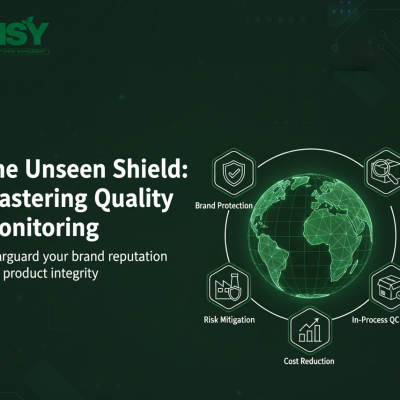
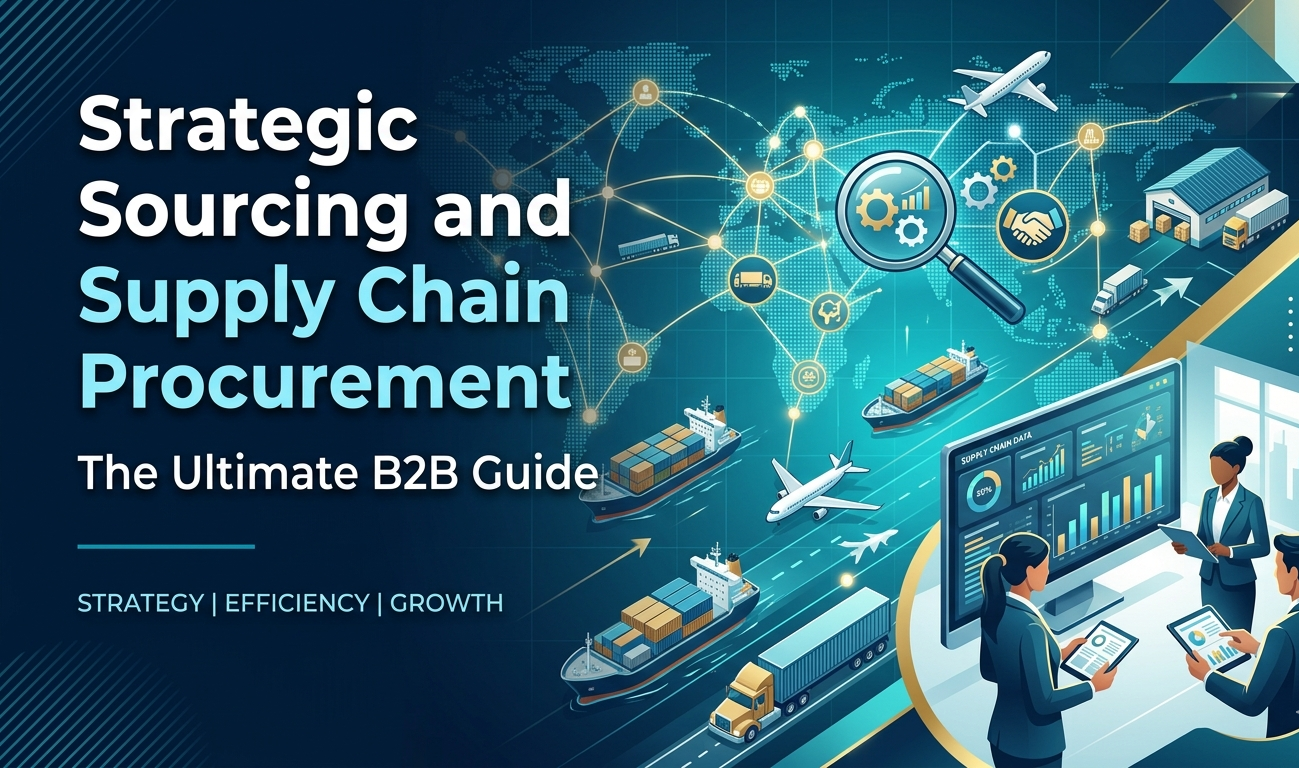
Strategic sourcing as procurement process cycle growth in outline diagram
How does a strategic approach reduce the Total Cost of Ownership (TCO)?
In B2B procurement, the invoice price is only the tip of the iceberg. The Total Cost of Ownership (TCO) includes logistics, customs duties, quality control, and the cost of potential failures or delays.
A strategic sourcing partner minimizes TCO through:
- Technical Vetting: Ensuring the factory can handle “Design for Manufacturability” (DFM) so you don’t pay for redesigns later.
- Consolidation Strategy: Instead of shipping half-empty containers from five different suppliers, a strategic approach stages goods in a central hub—like Foshan—to maximize container volume and reduce freight costs.
- Quality Assurance: Preventing the “Quality Fade” by performing on-site inspections before the balance payment is made, saving you the massive cost of returning defective building materials from overseas.
Why is supplier relationship management critical for high-value projects?
When you are sourcing complex items like custom cabinetry, whole-house furniture, or solar energy systems, you aren’t just buying a product; you are entering a technical partnership.
Strategic sourcing focuses on Supplier Relationship Management (SRM). By building long-term alliances with Tier 1 manufacturers in China’s industrial clusters, you gain priority during peak production seasons and access to better customization capabilities. This relationship acts as a buffer against market volatility, ensuring your construction timeline remains intact even when global supply chains are stressed.
Key Takeaways
- Think Long-Term: Move from transactional buying to strategic partnerships to secure better pricing and priority production.
- Focus on TCO: Always calculate the “landed cost” and potential risk costs, rather than just the factory-gate price.
- Leverage Industrial Clusters: Focus your procurement in hubs like Foshan to benefit from integrated logistics and material coordination.
- Verify at the Source: Use on-the-ground technical audits to ensure compliance with international standards (CE, UL, etc.) before shipping.
FAQ: Mastering B2B Procurement
Q: Is strategic sourcing only for large corporations?
A: No. Even boutique developers benefit from a strategic approach. It’s about the methodology of vetting and consolidation, which saves money regardless of the project size.
Q: How do I handle the “Communication Gap” in technical procurement?
A: The key is “Shop Drawings.” Never move to production based on a verbal agreement. Strategic sourcing requires signed-off, technical CAD drawings that serve as the legal anchor for quality control.
Q: How can I manage multiple product categories (e.g., tiles, furniture, and solar) at once?
A: This requires a “Lead Sourcing Partner” who can synchronize the production timelines of different factories so that all materials are ready for a single, consolidated shipment.
Why Partner with HSY Sourcing for Your Supply Chain?
Executing a strategic sourcing plan requires more than an internet connection; it requires boots on the ground.
At HSY Sourcing, we act as your dedicated procurement and technical office in China. Based in the heart of the world’s most dense manufacturing clusters—Foshan and Guangdong—we bridge the gap between your architectural vision and factory execution.
We don’t just find suppliers; we manage your entire supply chain. From technical shop drawing reviews and factory audits to complex container consolidation and “Dangerous Goods” logistics for solar systems, we ensure that your procurement is both strategic and secure.