
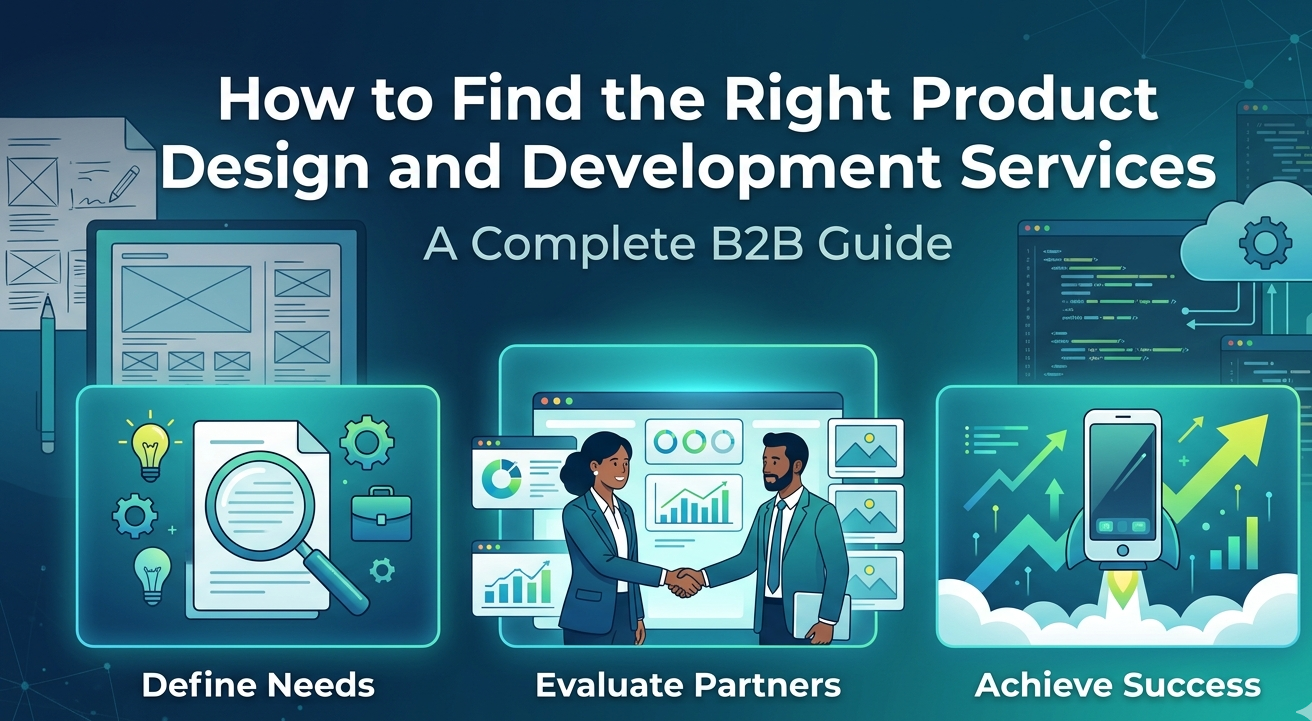
Every successful product starts with a vision, but in the world of manufacturing, a vision is only as good as its manufacturability. Whether you are developing a new line of ergonomic office furniture or a custom smart-lighting system, finding the right design and development partner is the most critical step in your supply chain.
The market is full of design firms, but not all of them understand the hard reality of a factory floor. Here is how to find a service that actually brings your product to life.
What is the difference between industrial design and product development?
Many buyers make the mistake of hiring a pure Industrial Design (ID) firm when they actually need Product Development (PD).
- Industrial Design focuses on aesthetics, user experience, and the “look and feel.” It’s about how the product sits in the hand or looks in a showroom.
- Product Development is about the internal engineering. It involves selecting the right materials, designing the molds, ensuring structural integrity, and optimizing the assembly process.
When searching for a partner, look for a team that offers Integrated Development. You need someone who can take a beautiful sketch and turn it into a set of technical Shop Drawings that a factory in China can actually use without constant back-and-forth errors.
7 stages of software product development process or SDLC or Software Development Life Cycle
How do you vet a service provider’s technical capabilities?
Don’t be blinded by a flashy portfolio of 3D renders. Renders are easy; mass production is hard. To vet a provider, ask the following questions:
- Do they provide Design for Manufacturability (DFM) reports? A professional service will analyze your design to see where costs can be cut by simplifying parts or changing manufacturing methods (e.g., switching from CNC to injection molding).
- Can they handle prototyping and trial assembly? You should never move to mass production without a physical prototype. Ask if the provider has the facility to perform a “Gap and Flush” analysis or a mechanical stress test on a physical sample.
- What is their experience with materials? If you are developing a product with mixed materials (e.g., aluminum, wood, and electronics), your partner must understand how these materials react to each other under different environmental conditions.
Why is proximity to manufacturing clusters like Foshan a competitive advantage?
The best product development services aren’t located in isolated office buildings; they are located near the factories.
Choosing a partner based in a hub like Foshan gives you a massive logistical advantage. During the development phase, your partner can physically visit the material suppliers to check the grain of the wood, the thickness of the aluminum, or the quality of the hardware. This “Industrial Proximity” allows for rapid prototyping and ensures that the design is grounded in what is actually available in the current supply chain.
How do you protect your IP during the development process?
Intellectual Property (IP) theft is a common fear, but it is manageable with the right partner. When you find a development service, ensure they follow these protocols:
- Mutual NDAs: Never share details without a Non-Disclosure Agreement.
- File Ownership: Ensure the contract explicitly states that you own the final CAD files, shop drawings, and mold designs once the service fee is paid.
- Phased Disclosure: Only share technical details with factories once the development partner has fully vetted them and you are ready for a pilot run.
Key Takeaways
- Look for DFM Expertise: Aesthetics are secondary to whether the product can be built efficiently and cost-effectively.
- Physical Prototypes are Mandatory: Digital models cannot reveal mechanical failures; always insist on a trial assembly.
- Proximity is Power: Partners located in manufacturing hubs (like Foshan) can manage material sourcing more effectively.
- Own Your Drawings: Your technical shop drawings are your most valuable asset—ensure you own them.
FAQ: Navigating Product Development
Q: How much does a product development service typically cost?
A: Costs vary depending on complexity. Some services charge a flat fee for the design and technical drawings, while others work on a retainer or a “success fee” based on production volumes. Always ask for a transparent breakdown of labor hours and prototyping costs.
Q: Can a development service also help with the final factory sourcing?
A: Yes. The most effective partners are those who handle both the development and the Supply Chain Integration. This ensures that the technical knowledge gained during design is transferred perfectly to the production line.
Q: How long does the development cycle take?
A: For a standard consumer product or furniture item, expect 4 to 12 weeks from the initial concept to a verified, production-ready prototype.
Why Partner with HSY Sourcing for Product Development?
Finding a design firm is easy, but finding a technical manufacturing partner is what makes a business successful.
At HSY Sourcing, we don’t just provide “designs”; we provide the technical foundation for your brand. Based in Foshan, we are at the center of the world’s most advanced manufacturing ecosystem. We bridge the gap between your vision and the factory’s machines by providing:
- Expert Shop Drawings: We turn ideas into precise, factory-ready CAD files.
- On-the-Ground DFM: We optimize your designs for the reality of Foshan’s supply chain, reducing your unit cost.
- Physical Trial Assemblies: We perform rigorous quality checks on prototypes before you ever pay for a production run.
- Seamless Integration: Once the design is ready, we handle the factory vetting and quality control, ensuring the final product matches the approved prototype.