
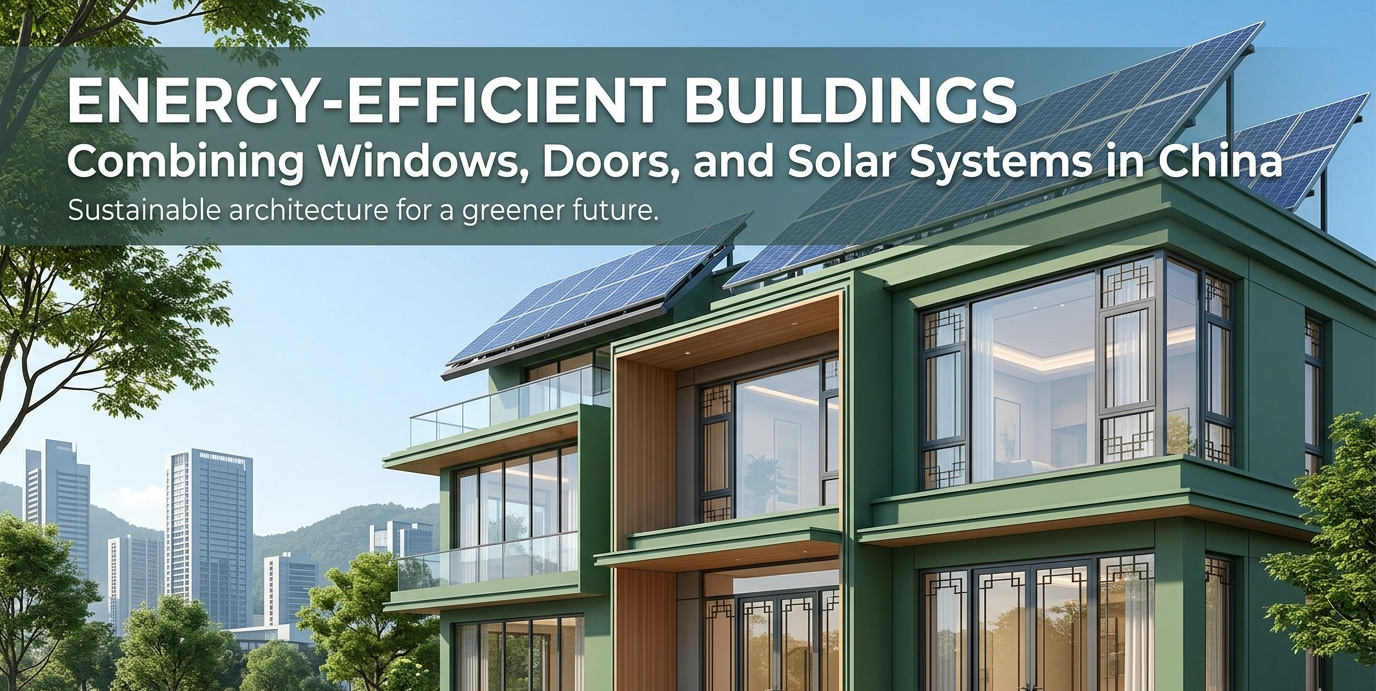
Building an energy-efficient commercial or residential project requires a tight balance between passive insulation and active energy generation. For most developers, that means procuring high-performance windows, thermally rated doors, and solar systems.
Because China manufactures the vast majority of these components, sourcing directly from factory hubs can cut material costs significantly. However, these are highly technical, engineered systems. If a window’s thermal break fails or a solar inverter cannot communicate with the local grid, the building’s energy efficiency rating collapses.
Procuring these components successfully requires stepping away from sales brochures and focusing on the raw engineering and logistical realities on the factory floor.
Why is the Guangdong region the center for this specific supply chain?
The ability to source heavy structural materials alongside advanced electronics is a geographic advantage unique to Guangdong province. You are dealing with two completely different manufacturing disciplines that happen to share a regional border.
Foshan is the undisputed capital for heavy aluminum extrusion, thermal break windows, and commercial doors. Just an hour’s drive away, cities like Shenzhen, Dongguan, and Zhongshan host the production lines for solar panels, inverters, and smart building management hardware.
For a procurement manager, this proximity is critical. It allows a single ground team to audit a window factory in the morning and verify a solar shipment in the afternoon. More importantly, it makes container consolidation viable. You can stage fragile Low-E glass, heavy aluminum frames, and sensitive photovoltaic components in a single local warehouse before export, rather than paying expensive inland trucking fees across multiple provinces.
How do you verify the true performance of Chinese windows and doors?
The most common trap in overseas procurement is accepting a manufacturer’s performance claim at face value. A factory might advertise a U-value of 0.22 W/m²K, but you must find out if that rating applies to the center of the glass or the entire window assembly.
To guarantee performance, you must dictate the specific materials used in the core structure:
- The Thermal Break: Standard aluminum is highly conductive, making it a poor insulator. Energy-efficient windows rely on a “thermal break” to separate the interior and exterior metal. You must specify the use of PA66GF25 (Polyamide with 25% fiberglass). If a factory substitutes this with cheaper PVC, the strip will eventually shrink, crack under UV exposure, and destroy the window’s insulation.
- Glazing Configurations: Double glazing with a Low-E (Low-Emissivity) coating is the baseline for modern projects. To further reduce convective heat transfer, ensure the space between the glass panes is filled with Argon gas and sealed with a warm-edge spacer.
- Insulated Core Doors: For commercial entryways, insulated steel doors should feature a high-density polyurethane foam core. If the door must also act as a fire barrier, demand to see the actual laboratory test reports (like UL 10C or EN 1634), not just a generic “CE Compliance” stamp on the invoice.
What are the engineering risks when integrating solar with building envelopes?
Buyers often make the mistake of treating the building envelope and the solar system as two separate purchasing tasks. They order the windows from one supplier and the solar panels from another, only to discover on the job site that the components are physically incompatible.
This is especially critical if you are exploring Building-Integrated Photovoltaics (BIPV)—where solar glass replaces traditional curtain walls or roofing tiles. BIPV requires absolute precision. The aluminum extrusion factory in Foshan and the solar glass manufacturer in Dongguan must cross-reference and approve each other’s CAD drawings before a single piece of material is cut. If the tolerances are off by even a few millimeters, the solar facade will not fit into the structural frame.
If you are not building a highly customized BIPV facade, standard monocrystalline (TOPCon) panels mounted on traditional aluminum racking remain the most reliable, high-efficiency, and cost-effective choice for both new builds and retrofits.
How do logistics and lead times impact the final project cost?
While the FOB (Free On Board) prices from Chinese factories are highly competitive, the total landed cost is dictated by how well you manage the logistics.
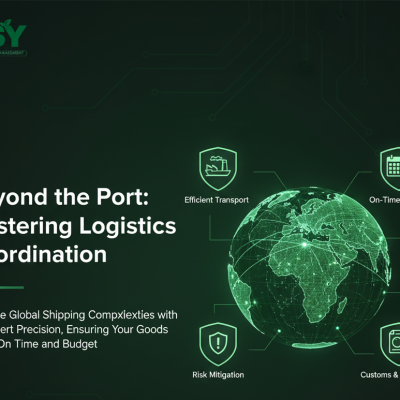
Windows and solar panels are a logistical nightmare to ship together if not handled professionally. You are mixing heavy, sharp metal extrusions with incredibly fragile glass and heavily regulated electrical components. Standard bubble wrap will not survive ocean freight. You must contractually require factories to pack windows in fumigated plywood crates or steel A-frames.
Furthermore, timelines for custom building materials require realistic planning. Expect 2 to 3 weeks just for shop drawing approvals, followed by 30 to 45 days for production. Factor in another 30 to 40 days for ocean transit and customs clearance. A safe buffer for sourcing these systems from initial quote to site delivery is 3 to 4 months.
Key Takeaways
- Specify the Hidden Materials: Do not just focus on frame colors. Explicitly specify PA66GF25 thermal breaks, Argon gas fills, and Tier-1 solar cells in your purchase orders.
- Mandate CAD Synchronization: If integrating solar components directly into the building structure, force the different factories to align their engineering drawings prior to production.
- Audit the Certifications: Never accept a generic logo on a brochure. Request actual test report numbers (NFRC, AAMA, IEC) and verify them directly with the issuing laboratories.
- Prioritize Export Crating: Heavy materials and fragile glass require structural crating. Plywood boxes or steel A-frames are non-negotiable for international shipping.
FAQ: Sourcing Energy-Efficient Components
Q: Can one factory in China manufacture my windows, doors, and solar panels?
A: No. High-quality manufacturing is highly specialized. A window extrusion plant does not have the clean rooms required to produce photovoltaic cells. If a supplier claims to manufacture all three, they are a trading company. You need a sourcing agent to bridge the specialized factories.
Q: How do I provide accurate measurements to the factory?
A: Have your local site contractor provide the “Rough Opening” dimensions. The factory’s engineering team will use these to calculate the final manufacturing size, ensuring proper deductions are made for installation shims and sealant joints.
Q: Are Chinese solar panels subject to high import tariffs?
A: Tariff rates change frequently based on geopolitical trade policies, particularly in the US and the EU. Always consult with a licensed customs broker in your destination country before transferring deposits for solar equipment.
Secure Your Project with HSY Sourcing
Procuring complex building materials from 5,000 miles away requires more than a price list; it requires strict, on-site technical oversight. A single dimensional error or a missing compliance document can bring your construction site to a halt.
At HSY Sourcing, we operate directly out of Foshan, the core of China’s building materials industry, and just a short drive from the southern tech corridor. We act as your dedicated project managers on the factory floor.
- Engineering Verification: We review the CAD shop drawings to ensure your aluminum structures and solar hardware actually fit together.
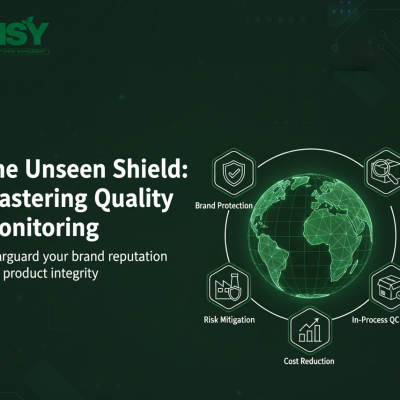
- Factory-Level Quality Control: We don’t rely on factory-supplied photos. Our team goes on-site to measure aluminum wall thickness, verify thermal break materials, and inspect glass coatings before packaging.
- Strategic Consolidation: We manage the physical loading of heavy doors, fragile windows, and solar equipment in our local warehouse, ensuring safe and compliant transit to your job site.