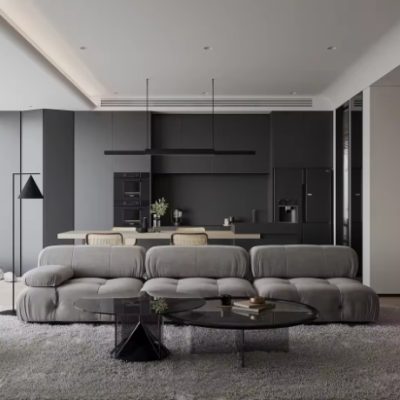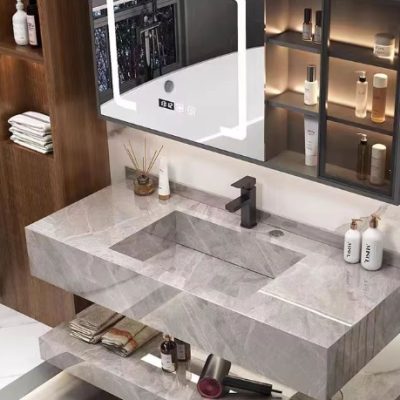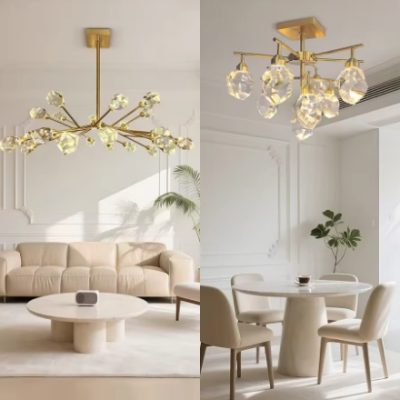

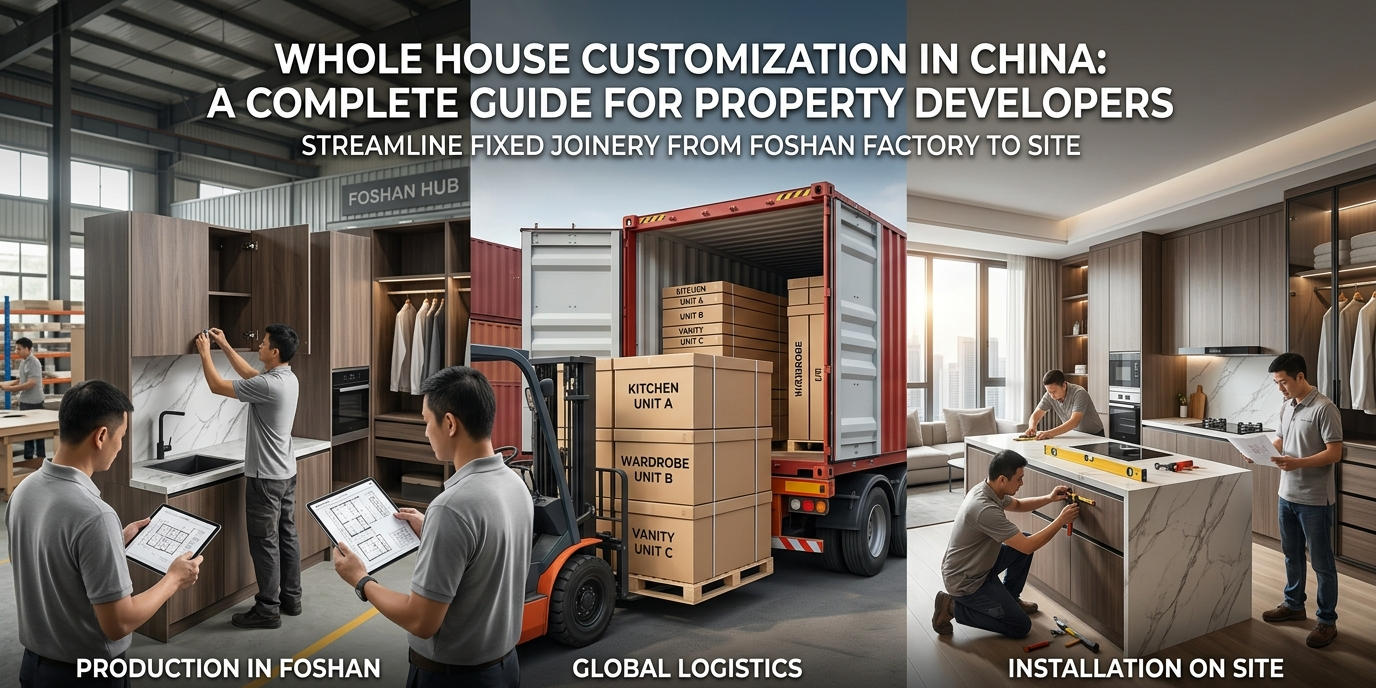
The concept of “Whole House Customization” has dominated the Chinese domestic market for a decade, but for international property developers, it represents a fundamental shift in construction methodology.
Instead of relying on expensive local carpenters to build kitchens, wardrobes, and bathroom vanities on-site, the entire interior fit-out is engineered in a facility, shipped flat-packed, and assembled at the project site. When executed correctly, this procurement strategy drastically lowers labor costs, speeds up the finishing phase, and delivers a unified aesthetic across hundreds of units.
However, buying custom millwork from 6,000 miles away leaves zero room for error. Here is a realistic guide to managing a whole-house customization project without the costly mistakes.
What exactly does “Whole House Customization” entail for an international project?
For a developer, this is not about buying loose sofas or dining tables. Whole-house customization refers to all the fixed joinery and millwork in a property.
This typically includes:
- Kitchen cabinetry and islands (including countertops and sinks).
- Bathroom vanities and mirrored shaving cabinets.
- Built-in wardrobes and walk-in closets.
- Custom TV units, shelving, and study desks.
- Internal doors, skirting boards, and decorative wall paneling.
The primary advantage is material synchronization. Instead of the bathroom vanity clashing with the bedroom wardrobe, every piece of fixed furniture in the unit is manufactured using the same batch of wood veneer, melamine board, and hardware, creating a seamless, high-end designer look.
Why is the Foshan supply chain critical for this procurement strategy?
Custom joinery requires a massive variety of raw materials to come together at once: MDF/plywood boards, edge banding, hinges, drawer sliders, LED strip lighting, and stone countertops.
If a factory is isolated, sourcing these components causes major delays. Foshan is the epicenter for this because of the Cluster Effect. Within a 50-kilometer radius, you have the world’s leading manufacturers for every single sub-component. A custom cabinet factory in Foshan doesn’t have to wait weeks for Blum hinges or specialized sintered stone slabs to arrive; they can source them locally in a matter of days. This ecosystem allows for rapid prototyping and highly efficient mass production.
How do you manage the technical risks of ordering custom joinery from abroad?
The most common point of failure in custom millwork is the tape measure. If your on-site drywall framing is off by 15mm, a factory-made rigid cabinet will not fit.
Managing this risk requires treating the procurement process like an engineering project:
- As-Built Dimensions: Never order custom cabinets based solely on the architect’s initial floor plans. You must wait until the framing and drywall are finished (or at least marked out accurately) to take final “as-built” measurements.
- Rigorous Shop Drawings: The factory will produce detailed CAD shop drawings. Your site manager must cross-reference these drawings against the actual plumbing rough-ins and electrical outlets.
- The Trial Assembly: This is non-negotiable. Before any custom joinery is flat-packed and loaded into a container, the factory must physically assemble one complete unit of every design on their floor. This is where we catch misaligned hinges, missing pre-drilled holes, or edge-banding defects.
What is the realistic timeline for a full-house custom project?
Custom manufacturing cannot be rushed. Developers often make the mistake of ordering their interior fit-outs too late in the construction schedule.
A realistic timeline looks like this:
- Design & CAD Approval: 2 to 3 weeks (expect multiple revisions as your site team double-checks measurements).
- Production: 30 to 45 days. (Standard melamine finishes are faster; high-gloss lacquer or real wood veneer takes longer due to curing times).
- QC & Trial Assembly: 1 week.
- Ocean Freight & Customs: 30 to 45 days, depending on your destination port.
You should initiate the sourcing process the moment your structural foundations are poured, finalizing the CAD drawings just as the interior framing is completed.
Key Takeaways
- Synchronized Aesthetics: Procuring all fixed joinery from a single hub ensures your wood grains, paint finishes, and hardware match perfectly across the entire property.
- Measure Twice, Order Once: Rely on actual site dimensions, not just preliminary architectural plans, to avoid expensive on-site modifications.
- Demand Trial Assemblies: Never accept a shipment of flat-packed cabinets without seeing photos and videos of a physical test assembly at the factory.
- Factor in Lead Times: Allow at least 3 to 4 months from the moment you approve the CAD drawings to the moment the goods arrive on site.
FAQ: Customizing Project Interiors
Q: Should we ship the cabinets flat-packed (RTA) or fully assembled?
A: For large-scale development projects, shipping flat-pack (Ready-to-Assemble) is mandatory to keep costs down. Flat-packing reduces your shipping volume by up to 60%. However, we often recommend shipping highly complex components (like multi-tier drawer boxes) pre-assembled to save your local carpenters time.
Q: Do the Chinese factories provide installation teams?
A: Generally, no. Sending a Chinese installation crew overseas involves complex visa issues and high travel costs. Instead, the factory provides detailed 3D installation diagrams, exploded views, and assembly videos. Your local finishing carpenters handle the installation.
Q: How do we handle damages or missing parts during installation?
A: This is a reality of construction. To mitigate this, a professional sourcing agent will always negotiate a 2-3% “attic stock” or overage of critical hardware (screws, hinges, handles) and spare edge-banded boards to be included in the container.
Total Project Control with HSY Sourcing
At HSY Sourcing, we bridge the gap between your construction site and the factory floor. We know that a minor miscalculation in a CAD drawing can cause major delays on your site.
Operating directly from the Foshan manufacturing cluster, we don’t just facilitate the transaction; we manage the engineering. We cross-reference your architectural plans, oversee the factory’s material selection, and conduct rigorous on-site trial assemblies before a single board is loaded into your container.