
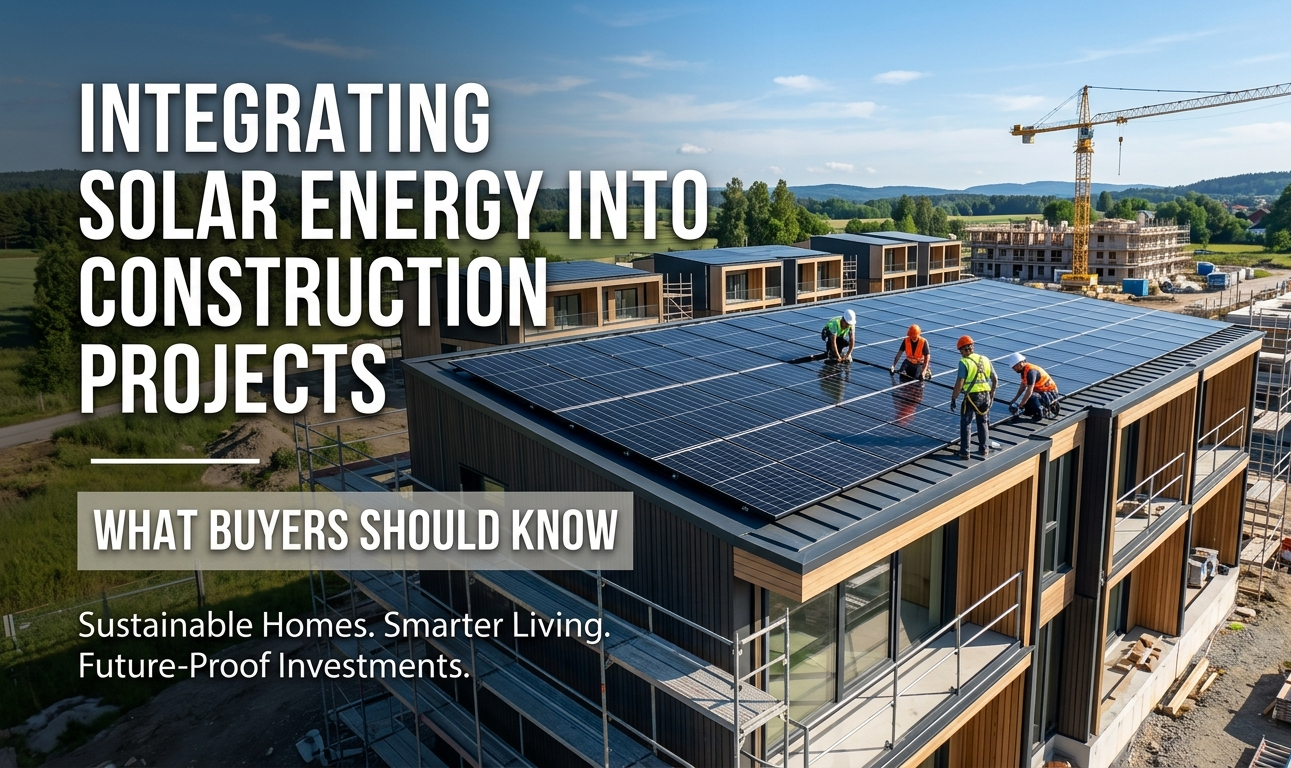
As global energy regulations tighten, modern construction projects are shifting toward Net-Zero Energy (NZE) goals. Integrating solar energy is no longer just about placing panels on a roof; it is about synchronizing electrical engineering, structural integrity, and long-term asset management.
For international buyers sourcing from China—the world’s leader in renewable tech—understanding the technical intersection between “building” and “energy” is the key to a successful project ROI.
Why should solar integration start at the architectural design phase?
Direct Answer: Early integration ensures that the building’s structural load-bearing capacity, electrical conduit routing, and aesthetic orientation are optimized for maximum energy yield and lower retrofit costs.
Integrating solar after the building is completed often leads to compromised efficiency. Designers must consider:
- Structural Load: Solar arrays add significant weight. The roof or facade must be engineered to handle both the dead load of the panels and wind/snow loads.
- BIPV (Building-Integrated Photovoltaics): Instead of traditional racks, BIPV uses solar glass as part of the building’s envelope (windows, skylights, or facades), merging aesthetics with power generation.
- Orientation and Shading: 3D shading analysis during the design phase ensures that HVAC units or neighboring buildings don’t cast “profit-killing” shadows on your PV array.
How do you ensure technical compatibility between Solar PV and Energy Storage (ESS)?
Direct Answer: Compatibility depends on the “Handshake Protocol” between the Inverter and the Battery Management System (BMS). Buyers must ensure that these two components share the same communication language (usually CAN or RS485) to prevent system failure.
A common mistake in construction procurement is sourcing the inverter from one Tier-1 factory and the lithium batteries from another without verifying synchronization.
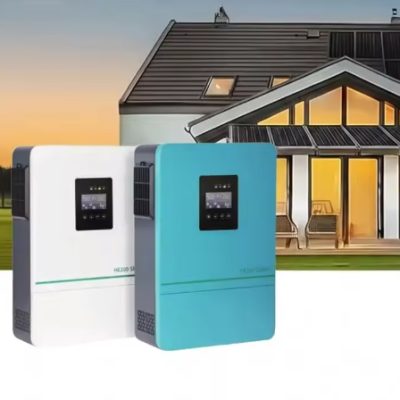
- The Inverter: The “brain” of the system. It must be rated for your local grid code (e.g., UL 1741 or AS4777).
- The ESS (Energy Storage System): High-density lithium batteries (LiFePO4) require a robust BMS to manage thermal safety and cycle life.
Pro Tip: For large-scale projects, it is highly recommended to source a “Pre-Integrated” system where the inverter and battery have been factory-tested for seamless communication.
What are the logistical challenges of sourcing solar components for construction?
Direct Answer: Logistics involve managing two very different types of goods: voluminous, fragile PV panels and Class 9 Dangerous Goods (lithium batteries). These require specialized crating and precise document synchronization for customs.
Construction sites operate on tight schedules. A delay in the solar components can halt the electrical fit-out.
- Fragility: Solar panels must be shipped in vertical crates to prevent micro-cracks caused by vertical pressure.
- Safety Compliance: Batteries require a UN38.3 certificate and specialized “DG” (Dangerous Goods) shipping lanes.
- Consolidation: Ideally, your solar components should be consolidated with other building materials (like tiles or windows) in a staged warehouse to ensure everything arrives at the job site in a coordinated sequence.
Key Takeaways
- Design First: Treat solar as a structural component, not an appliance.
- Verify Protocols: Ensure your Inverter and Battery BMS are technically synchronized before payment.
- Check Grid Codes: Confirm that all electronic components meet the specific regulatory certifications of your project’s location.
- Audit the Source: Demand Flash Test and EL (Electroluminescence) reports for every batch of panels to ensure long-term performance.
FAQ: Solar Integration in Construction
Q: What is the ROI period for solar in commercial construction?
A: Depending on local energy prices and incentives, the typical ROI is between 3 to 6 years. Given that panels have a 25-year performance warranty, the project enjoys nearly 20 years of “free” energy.
Q: Can I use solar glass (BIPV) for the entire facade?
A: Yes, but it requires a balance between transparency (for light) and cell density (for power). BIPV is ideal for curtain walls, balconies, and canopy structures.
Q: Is N-Type or P-Type better for large projects?
A: N-Type (TOPCon) is the 2026 industry standard. It offers higher efficiency and lower annual degradation (approx. 0.4% per year) compared to older P-Type technology.
Why Partner with HSY Sourcing for Your Energy Projects?
Integrating solar into a construction project requires a partner who understands both the structural world of building materials and the technical world of renewable energy.
At HSY Sourcing, we bridge this gap. Based in China’s manufacturing heartland, we act as your dedicated technical procurement office. We don’t just “find a supplier”; we manage the engineering risks that others overlook.
- Integrated Project Management: We can coordinate the sourcing of your windows, tiles, and cabinetry alongside your solar panels and energy storage.
- Technical Validation: Our team performs on-site factory audits and verifies the BMS-Inverter communication protocols before shipment.
- Class 9 Logistics Experts: We handle the complex paperwork and specialized crating required to get high-capacity lithium batteries safely to your construction site.
- Transparent Oversight: You get the original factory data, Flash Tests, and real-time inspection videos, ensuring your project is built on quality, not promises.