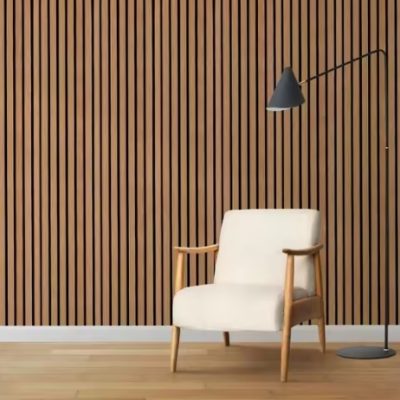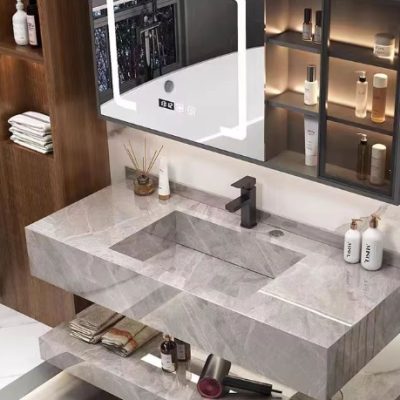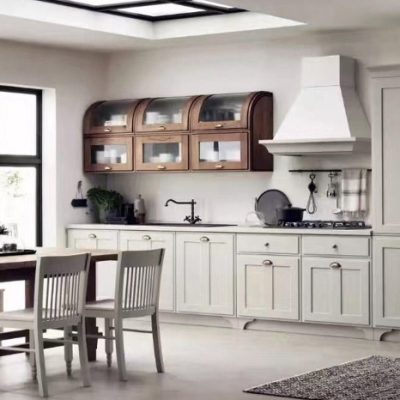

Sourcing the interior fit-out for a commercial real estate project—whether it is a boutique hotel, a high-rise apartment complex, or a luxury villa development—means you are rarely purchasing everything from a single supplier. A typical project requires aluminum windows from a specialized fenestration manufacturer, custom fire doors from a door plant, porcelain tiles from a ceramics brand, and compression sofas or loose furniture from a furniture maker.
If you ship these orders independently as separate Less than Container Load (LCL) consignments, international freight and destination port fees will quickly consume your project’s profit margins. Managing these fragmented supply chains demands a strategic, centralized approach to logistics.
Why Is Sourcing From Multiple Chinese Factories Inflating Your Shipping Costs?
Shipping smaller, independent cargo lots from multiple manufacturers creates an accumulation of redundant logistical expenses. For international project procurement managers, the primary budget drivers include:
- The Local Destination Fee Trap: While LCL ocean freight rates often look inexpensive per cubic meter (CBM) on paper, the local destination port fees—such as terminal handling charges (THC), documentation fees, and warehouse destuffing costs—are billed per line item or per CBM with steep base minimums. Splitting your procurement across five separate LCL shipments frequently costs up to three times more than merging them into one container.
- Redundant Inland Trucking: Paying for multiple long-distance factory-to-port deliveries across different regions adds massive domestic transport overhead.
- Multiplied Customs Clearances: Every individual factory shipment requires its own export customs clearance documentation in China and independent import entry declarations at your destination port, multiplying administrative overhead and increasing the risk of customs inspections or delays.
How Does Foshan’s Clustering Advantage Solve the Multi-Supplier Dilemma?
Foshan is the primary global manufacturing cluster for building materials, architectural hardware, and contract furniture. Within a localized industrial perimeter, you can access world-class production lines for ceramic tiles, aluminum windows, custom cabinetry, sanitary ware, and commercial lighting.
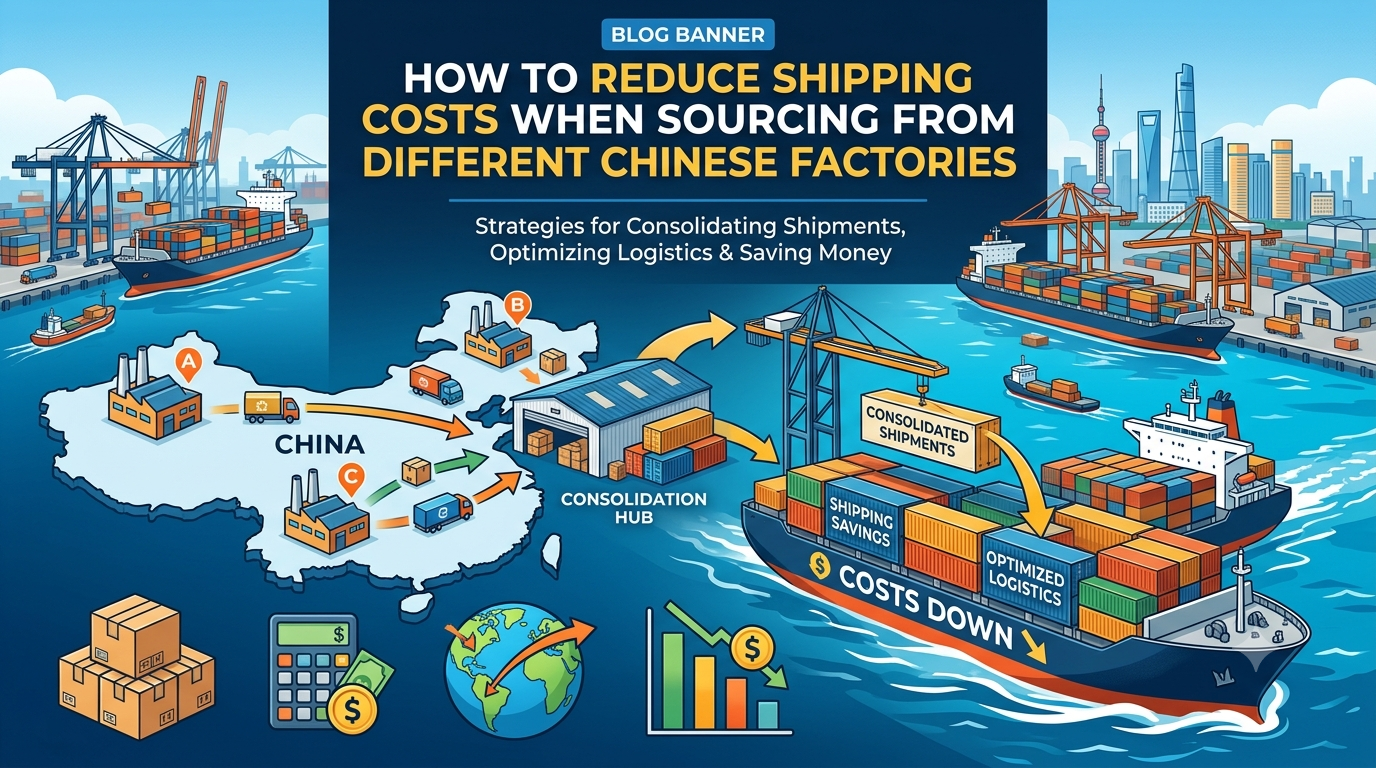
This close geographic proximity provides international buyers with a distinct structural benefit: Localized Container Consolidation .
Instead of scattering your supply chain across different provinces, centralizing your procurement within the Foshan ecosystem allows your factories to deliver finished goods locally to a single consolidation hub. By transforming scattered factory lots into unified 20GP or 40HQ Full Container Loads (FCL), you eliminate unnecessary local port charges, reduce handling risks, and secure the lowest possible freight cost per CBM. Given the tight vessel allocations and elevated spot rates characterising the 2026 ocean freight market, maximizing your volumetric container space is the most practical way to control your bottom line.
What Is the Step-by-Step Process for Consolidated Shipping?
Executing a multi-supplier consolidation requires clear, proactive timeline management to prevent cargo from sitting too long and incurring warehouse storage penalties. A professional consolidation framework operates through a clear, sequential flow:
1.Synchronize Supplier Production Timelines:Phase 1: Scheduling.
Coordinate closely with your window, door, and furniture factories to align their final production completion dates. Aim for all goods to ready within a tight ten to fourteen-day window.
2.Centralize Inventory at a Foshan Hub:Phase 2: Local Trucking.
Instruct all contracted suppliers to dispatch their finished goods via local domestic trucking directly to a single, secure consolidation warehouse in Foshan.
3.Measure and Inspect Cargo Upon Arrival:Phase 3: Verification.
Physically count cartons, check fragile structural materials for transport damage, and record the exact gross weight and volumetric CBM dimensions of each factory lot.
4.Engineer the Container Loading Layout:Phase 4: Mixed Loading Plan.
Develop a precise, balanced container loading diagram based on weight distribution constraints and material vulnerabilities before the physical ocean container arrives at the loading bay.
5.Clear Export Customs Under One Bill of Lading:Phase 5: Single Documentation.
Merge individual supplier packing lists and commercial invoices into a unified export declaration to clear customs under a single Bill of Lading (B/L).
How Do You Mix Heavy and Light Building Materials Without Damaging Cargo?
Loading a mixed container for a real estate project is a balance of weight and volume. A typical hotel or villa fit-out comprises high-density, heavy materials (porcelain flooring tiles, stone countertops, sanitary ware) alongside high-volume, low-density cargo (upholstered furniture, compression sofas, mattresses).
If packed incorrectly, heavy building materials will crush fragile furniture items during sea transit, or the container will exceed legal maritime weight limits while remaining half empty.
To maximize space and ensure cargo safety, the loading configuration must follow strict engineering rules:
- The Rigid Foundation Rule: Dense construction items, such as ceramic tiles, stone flooring, and structural aluminum profiles, must form the bottom layer. They act as a heavy, immovable ballast.
- The Soft Upper Layer Rule: High-volume, lightweight items like contract furniture and lighting should occupy the top layers. Vacuum-sealed compression sofas are highly efficient for this step; they can be compressed tightly, allowing you to fit substantial seating volume into the upper section of a 40HQ container without adding excess weight.
- Weight vs. Volume Optimization: A standard 40HQ container offers roughly 68 CBM of usable space, but legal highway and ocean payload rules usually cap total cargo weight around 26 metric tons. Your sourcing team must calculate the exact ratio of tiles to furniture so that the container approaches its maximum weight limit and maximum volume limit at the same time, leaving zero paid space wasted.
Why Choose HSY Sourcing as Your Partner in Foshan?
Managing a multi-factory container consolidation requires a reliable, on-the-ground team that understands both manufacturing timelines and export logistics. Here is how the HSY Sourcing team secures your real estate and hospitality investments:
- Deep Local Infrastructure: Based directly within the Foshan industrial cluster, we maintain immediate physical proximity to your window, door, tile, and furniture manufacturers. We supervise your project by visiting factory floors in person, not just sending emails.
- Rigorous Pre-Shipment Quality Inspections: Before any cargo is packed into a container, our team checks manufacturing tolerances, finishes, and quantities. If a batch of tiles shows a color variation or a custom door frame is scratched, we reject it at the factory gates—preventing costly project delays at your construction site.
- Logistics and Volumetric Engineering: We oversee the entire warehouse consolidation, container space mapping, and customs documentation process. We handle the calculations needed to combine heavy flooring materials with high-volume furniture safely, ensuring you do not pay to transport empty space.
- Built for Commercial Procurement: We focus specifically on serving international real estate developers, hotel procurement managers, and construction contractors. We understand the technical compliance standards, commercial grade requirements, and rigid handover schedules dictated by hospitality and multi-family housing projects.
Key Takeaways
| Procurement Challenge | Standard LCL Approach | HSY Foshan Consolidation Approach |
| Logistics Cost Structure | High per-CBM destination port charges across multiple separate lots. | One fixed Full Container Load (FCL) rate; optimal cost per CBM. |
| Customs Risk Exposure | Multiple entry filings increase administration fees and local clearance delays. | Single unified export declaration and a single streamlined import filing. |
| Cargo Safety Control | Goods mixed with random third-party freight; high risk of handling damage. | Dedicated mixed loading with heavy materials at the base and soft furniture on top. |
| Supplier Oversight | Zero visibility on individual factory delays or defects prior to export. | Continuous milestone tracking and on-site inspection before consolidation. |
Frequently Asked Questions (FAQ)
Can we consolidate goods from factories located outside of Foshan?
Yes. While Foshan serves as our core hub for furniture and building materials, we frequently bring in specialized components from adjacent industrial zones in Guangdong Province, such as commercial lighting from Guzhen or architectural hardware from Jiangmen. Local domestic trucking rates within Guangdong are competitive enough that centralizing these goods into a Foshan container still yields substantial savings compared to booking independent sea shipments.
How do you manage export customs if certain factories lack an export license?
Many highly specialized, mid-sized factories in China focus entirely on domestic production and do not maintain independent export licenses. As your authorized China sourcing agent, HSY Sourcing provides full export documentation support. We can consolidate products from multiple unlicensed suppliers under our export credentials, generating a unified, fully compliant manifest for customs inspection.
What happens if one factory delays production and holds up the container?
Production delays are a common variable in multi-supplier project sourcing. We mitigate this risk by building a realistic time buffer into your procurement schedule and conducting weekly tracking updates with each factory. If a minor supplier faces a delay, we can adjust the loading schedule or place early-completed goods into short-term secure holding at our Foshan warehouse facility, allowing your primary container to depart on time and keep your construction schedule on track.