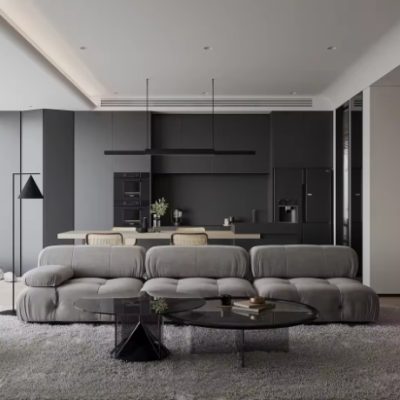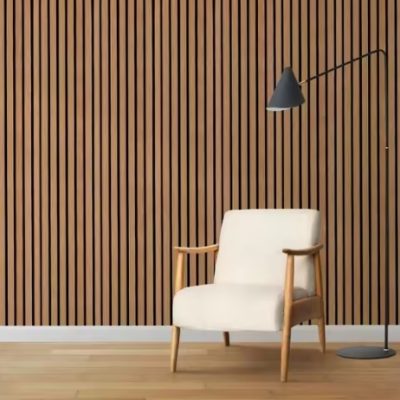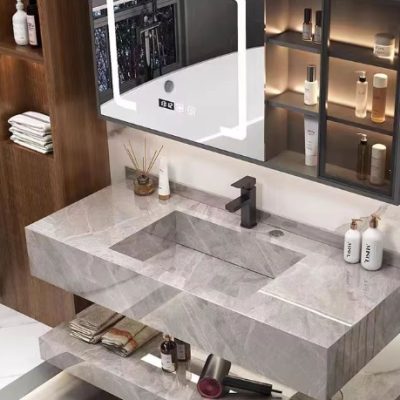


Estimating the total cost to build a luxury villa requires looking beyond basic square-meter averages. While a standard residential home might follow predictable regional pricing, a luxury villa involves complex structural spans, custom exterior envelopes, specialized mechanical systems, and high-spec interior finishes.
Globally, constructing a modern luxury villa typically ranges from $1,800 to $4,500+ per square meter ($170 to $420+ per square foot), excluding land acquisition. For high-end architectural builds with specialized imported finishes or bespoke joinery, costs can quickly exceed $5,000 per square meter.
Understanding where these funds are allocated—and where material budget overruns occur—is critical for real estate developers, project managers, and private owners.
Key Takeaways
- Budget Distribution: Structural framing and foundation account for roughly 30% to 35% of total construction costs, while interior finishes, custom millwork, and facade systems account for 40% to 50%.
- Material Cost Leverage: Material procurement represents the single largest variable cost layer. Sourcing high-spec architectural products (windows, stone, cabinetry, sanitary ware) directly from manufacturing hubs can yield substantial cost efficiency.
- Foshan Procurement Advantage: Direct sourcing from Foshan’s custom manufacturing cluster cuts out multi-tiered distributor markups, reducing material expenditures by 30% to 45% on high-end finish categories.
- Risk Mitigation: Managing lead times, technical drawing sign-offs, and pre-shipment inspections are essential steps to avoid on-site delays and costly rework.
What Are the Main Cost Drivers in Luxury Villa Construction?
Villa construction costs are divided into three core categories: Soft Costs (design, permits, engineering), Hard Costs / Structural Shell (site prep, concrete, steel, framing), and Finishing & Fit-Out Costs (enclosure, flooring, millwork, MEP systems, fixtures).
Total Luxury Villa Budget Breakdown
 ├── Soft Costs & Engineering (10% – 12%)
 ├── Civil Works & Structural Shell (30% – 35%)
 ├── MEP Systems & Automation (12% – 15%)
 └── Interior Finishes, Exterior Facade & Millwork (40% – 45%)
The table below outlines typical cost allocations per square meter across different villa specification levels:
| Villa Specification Level | Est. Cost Range (per m²) | Primary Characteristics | Material Budget Focus |
| High-End Modern Villa | $1,800 – $2,800 | Standard concrete frame, large aluminum windows, porcelain tile flooring, modular cabinetry | Quality commercial-grade materials, standardized custom millwork |
| Ultra-Luxury Custom Villa | $2,800 – $4,200 | Complex structural cantilever, motorized slim-frame glass walls, sintered stone facades, custom teak/oak joinery | Bespoke architectural systems, imported natural stone, full-house smart automation |
| Bespoke Architectural Landmark | $4,500+ | Curvilinear structural concrete/steel, bulletproof/acoustic structural glass, custom metalwork, hand-carved stone | Fully custom-engineered components, prototype testing, rare natural finishes |
How Are Material Budgets Allocated Across Product Categories?
For a modern luxury villa, finishing materials and architectural hardware represent the largest portion of controllable expenditure. Below is how the finishing material budget is typically distributed across major product categories:
Finishing Material Budget Split
 ├── Exterior Enclosure & Windows (22% – 25%)
 ├── Interior Flooring & Wall Cladding (25% – 28%)
 ├── Custom Millwork, Kitchens & Closets (20% – 25%)
 ├── Sanitary Ware & Bathroom Hardware (10% – 12%)
 └── Architectural Lighting & MEP Hardware (8% – 10%)
1. Exterior Enclosure & Glazing Systems (22% – 25%)
Luxury villas rely heavily on glass facades, continuous thermal insulation, and weather-resistant cladding. Key components include:
- Thermal Break Aluminum Windows & Doors: Minimalist slim-frame sliding systems with double or triple-glazed Low-E glass ($220 – $450/m²).
- Exterior Wall Cladding: $12\text{mm}$ exterior-grade sintered stone slabs, natural granite/travertine, or PVDF-coated aluminum panels.
2. Flooring and Surface Cladding (25% – 28%)
Surfaces establish the visual texture of the home:
- Large-Format Sintered Stone & Porcelain Slabs: $1200\times2700\text{mm}$ or $1600\times3200\text{mm}$ full-body slabs for main living areas ($45 – $120/m² factory price).
- Engineered Hardwood Flooring: Multi-ply eucalyptus core with a $4\text{mm}–6\text{mm}$ natural oak or walnut top layer for bedrooms ($35 – $80/m²).
3. Custom Millwork and Cabinetry (20% – 25%)
Custom joinery defines high-end interior interiors:
- Kitchen Systems: Stainless steel or marine plywood carcass, lacquer/PET doors, integrated quartz/sintered stone counters, and Blum/DTC soft-close hardware.
- Wardrobes and Integrated Paneling: Floor-to-ceiling aluminum frame glass closets with integrated LED channels and concealed door systems.
4. Sanitary Ware and Fixtures (10% – 12%)
Bathrooms require reliable internal brassware and durable ceramic surfaces:
- Wall-hung rimless smart toilets with concealed cisterns.
- Solid brass PVD-coated faucets, rain showers, and freestanding solid-surface resin bathtubs.
How Does Direct Sourcing from Foshan Reduce Total Material Costs?
Purchasing luxury finishing materials through local domestic distributors involves multiple intermediary markups—importers, national wholesalers, regional showrooms, and design studio commissions. These layers often double or triple the original factory price.
Traditional Supply Chain:
Factory -> Exporter -> Importer -> Distributor -> Showroom -> Buyer (100%-200% Total Markup)

Direct Foshan Sourcing Chain:
Factory -> HSY Sourcing (QC & Consolidation) -> Direct Export -> Buyer (25%-40% Total Savings)
Foshan is the world’s largest cluster for ceramic tiles, sanitary ware, aluminum window systems, and custom furniture. Sourcing directly from this cluster offers three distinct financial and operational advantages:
- Elimination of Intermediary Margins: Purchasing directly at tier-1 factory pricing yields 30% to 45% net savings on materials, even after accounting for international ocean freight, customs tariffs, and local port handling.
- Access to Advanced Customization: Unlike standard retail stock, Foshan factories specialize in custom OEM manufacturing—allowing architects to specify exact panel dimensions, surface textures, color codes, and hardware brands.
- Full Container Load (FCL) Efficiency: Consolidating multiple product categories (tiles, windows, cabinets, lighting) into combined 40ft High Cube containers minimizes shipping costs per unit volume.
What Hidden Costs and Risks Should You Plan for During Sourcing?
Direct factory procurement offers significant savings, but managing the process remotely introduces operational risks if not properly controlled.
1. Freight, Duties, and Local Handling
- Ocean Freight: Shipping rates fluctuate based on global trade routes. Budget for standard 40HQ container rates plus local terminal handling charges (THC).
- Import Tariffs and VAT: Verify destination customs tariff schedules (HS Codes) for aluminum profiles, ceramic slabs, and wooden furniture prior to placing factory orders.
2. Specification Discrepancies and Site Measurement Errors
- Manufacturing custom joinery or window systems without verified shop drawings (CAD) often results in installation failures on-site.
- Electrical and plumbing hardware must meet local building standards (e.g., NPT vs. BSP threads, 110V vs. 220V voltage drivers, UL/CE/SAA certifications).
3. Packaging and Transit Damage
- Large sintered stone slabs ($1600\times3200\text{mm}$) and glass panels require reinforced A-frame wooden crates with shock-absorbing foam. Inadequate packaging leads to high breakages during ocean transport.
How Do You Manage the Procurement Workflow to Prevent Budget Overruns?
A structured procurement workflow ensures that quality and delivery schedules remain under control throughout the construction lifecycle.
Procurement Timeline:
Phase 1: BOQ Review & Budget Alignment (Week 1–2)
 └── Phase 2: Technical Shop Drawing Sign-Off (Week 3–4)
      └── Phase 3: Sample Verification & Deposit (Week 5)
           └── Phase 4: Production & Multi-Stage QC (Week 6–10)
                └── Phase 5: Container Loading & Shipping (Week 11–12)
- Bill of Quantities (BOQ) Audit: Review architectural drawings to establish exact material take-offs and grade specifications.
- Shop Drawing Sign-Off: Require factories to generate detailed production CAD/3D drawings based on verified site dimensions before starting production.
- Sample Approval: Approve physical control samples for wood veneers, stone textures, metal finishes, and glass tints.
- Multi-Stage On-Site Quality Control: Perform raw material checks, mid-production fitting checks, and pre-shipment inspections before final balance payments are released.
- Consolidated Container Loading: Supervise packing and container loading at a central warehouse to maximize space utilization and protect fragile cargo.
Why Partner with HSY Sourcing for Your Villa Project in Foshan?
Managing 10 to 20 sub-tier suppliers across different manufacturing towns creates significant administrative overhead. HSY Sourcing operates as your dedicated technical procurement team on the ground in Foshan, handling every step from initial supplier negotiation to final export delivery.
1. Direct Access to Top-Tier Foshan Manufacturing Plants
We work directly with vetted tier-1 factories specializing in porcelain slabs, custom aluminum window systems, luxury joinery, and sanitary fixtures—bypassing trading companies and retail agents.
2. Technical Drawing Verification and Engineering Support
Our team includes technical specialists who review architectural floor plans and factory shop drawings. We verify structural profile tolerances, hardware compatibilities, and site measurements to ensure everything fits seamlessly upon arrival.
3. Strict On-Site Quality Control (QC) Gateways
We enforce three mandatory inspection steps for every order:
- Raw Material Checks: Verifying wood core grades (E0/ENF), aluminum wall thickness, and stone batch color matching.
- In-Line Assembly Checks: Inspecting cabinet joinery, soft-close hardware alignments, and window seal tightness.
- Pre-Shipment Inspection: Conducting 100% finished goods checks, packaging integrity tests, and supervising container loading.
4. End-to-End Warehousing and Container Shipping
HSY Sourcing provides a central warehouse in Foshan to collect goods from multiple factories, perform consolidated container loading (20ft / 40ft HQ), and manage customs clearance, export paperwork, and international ocean shipping.
Frequently Asked Questions About Villa Construction Costs
What is the typical material cost per square meter for a luxury villa?
Finishing material costs typically range from $600 to $1,500+ per square meter, depending on the specification level. This covers exterior window systems, facade cladding, interior flooring, custom joinery, sanitary ware, and architectural lighting.
How far in advance should we order materials from China?
The ideal procurement window is 3 to 4 months before site installation. Custom joinery and aluminum window systems take 30 to 45 days for production, while ocean transit takes 15 to 40 days depending on the destination port.
How do you ensure imported electrical and plumbing items meet local building codes?
We cross-reference product specifications against your destination country’s regulations before ordering. Plumbing threads are specified as NPT or BSP, and electrical components are ordered with appropriate certifications (CE, UL, SAA, SASO) and local voltage drivers.
Can we mix products from different factories into a single container shipment?
Yes. Container consolidation is standard practice. HSY Sourcing collects finished goods from multiple factories at our Foshan warehouse, conducts quality inspections, and packs them into consolidated containers to optimize freight costs.