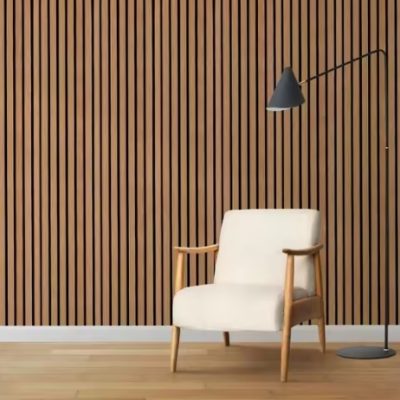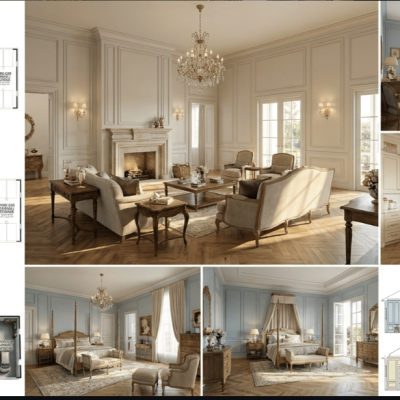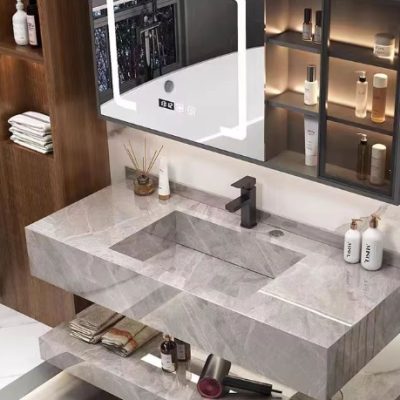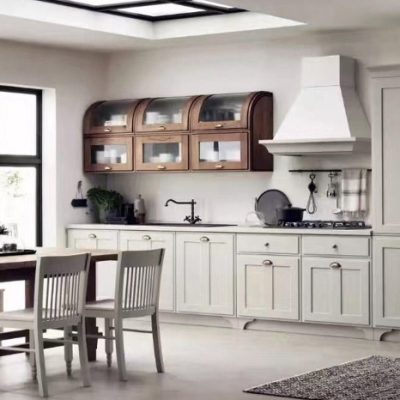


When building or custom-renovating a multi-million-dollar private estate in the United States, importing architectural building materials directly from China offers significant material upgrades and financial efficiencies. A complete villa finish package—comprising custom aluminum glazing, whole-house joinery, sintered stone slabs, bespoke staircases, and luxury bathware—often yields landed cost savings of 35% to 50% compared to Western retail showroom markups.
However, a luxury villa package rarely comes from a single factory. High-end procurement requires coordinating with 4 to 8 specialized manufacturers in Foshan and Shunde: a window factory in Nanhai, a joinery workshop in Shunde, a stone fabricator in Jiujiang, and a brassware foundry in Kaiping.
For an American homeowner managing a build remotely, coordinating multiple overseas vendors presents logistical, technical, and communication challenges. Misaligned delivery schedules, uncoordinated CAD shop drawings, mismatched finishes, and fragmented container shipping can quickly erode project timelines and budgets.
This guide outlines the operational framework required to manage multiple Chinese building material suppliers remotely without compromising jobsite schedules or material quality.
Key Takeaways
- Centralize Technical Communication Through One Master CAD Schedule: Never allow separate factories to work in isolation. A single master CAD coordinator must reconcile rough openings, MEP rough-ins, appliance cutouts, and panel reveals across all vendor shop drawings before production begins.
- Harmonize Physical Material Finishes Before Manufacturing: Anodized aluminum frames, custom wood veneers, and stone slab colors look different under different lighting. Require a consolidated physical sample box shipped to the US for side-by-side client sign-off.
- Enforce Staggered Factory Production Milestones: Coordinate production schedules across all vendors so long-lead items (custom windows) and final interior finishes (joinery, stone) arrive at the staging warehouse in a synchronized sequence for container loading.
- Consolidate Ocean Freight at a Single Warehouse: Shipping partial container loads (LCL) increases transit damage risks and customs fees. Staging all vendor shipments at a centralized Foshan warehouse enables full-container-load (FCL) packing, ISPM-15 export crating, and unified customs clearance.
Why Does Managing Multiple Overseas Suppliers Cause Jobsite Friction?
When a US homeowner or their project manager attempts to deal directly with multiple Chinese factories individually, systematic breakdown risks emerge during transit and installation.
+-----------------------------------------------------------------------------------+
|                  DIRECT MULTI-VENDOR VS. CENTRALIZED MANAGEMENT                   |
+--------------------------+------------------------------+-------------------------+
| Risk Factor              | Direct Multi-Vendor Sourcing | Centralized Oversight   |
+--------------------------+------------------------------+-------------------------+
| Technical Drawings       | Disconnected factory CADs    | Unified master CAD      |
|                          | with spatial conflicts       | cross-checking          |
+--------------------------+------------------------------+-------------------------+
| Material Matching        | Unmatched veneer, lacquer,   | Single physical sample  |
|                          | and hardware swatches        | approval box            |
+--------------------------+------------------------------+-------------------------+
| Shipping Logistics       | Fragmented LCL shipments;    | Single FCL container    |
|                          | multiple port/broker fees    | consolidation load      |
+--------------------------+------------------------------+-------------------------+
| Quality Control          | Unverified self-reporting    | On-site third-party     |
|                          | from factory sales staff     | physical trial assembly |
+--------------------------+------------------------------+-------------------------+
1. Disconnected CAD Shop Drawings
A window factory in Nanhai builds sliding door frames to their internal CAD specs. A joinery factory in Shunde builds surround paneling based on architectural plans. If neither factory cross-references the other’s shop drawings, the on-site finish carpenter will discover a 20mm spatial conflict when fitting wood paneling around the window frame.
2. Mismatched Finish Palettes and Hardware Finishes
“Brushed Gold” or “Warm Oak” varies significantly between different manufacturers. Without a central material audit, the brassware from Kaiping will not match the aluminum trim from Nanhai, and the cabinetry veneer from Shunde will clash with the wall paneling.
3. High Freight Costs and Customs Administrative Overhead
Importing goods via individual Less-than-Container-Load (LCL) shipments dramatically increases logistics costs. Each LCL shipment incurs separate origin handling charges, ocean bill of lading fees, customs entry filings, and port drayage costs.
How Do You Reconcile CAD Shop Drawings Across Multiple Factories?
A successful remote procurement process depends on bridging the gap between US architectural plans and Chinese factory production CAD drawings before any raw material is cut.
+-----------------------------------------------------------------------------------+
|               MULTI-VENDOR TECHNICAL CAD RECONCILIATION FLOW                      |
|                                                                                   |
|  [US Architectural Plans & Specs] ──> Imperial (ft/in) & US Code Requirements     |
|                 │                                                                 |
|                 ▼                                                                 |
|  [Central CAD Coordination]       ──> Convert to Metric (mm), overlay MEP & ROs   |
|                 │                                                                 |
|                 ▼                                                                 |
|  [Factory 1: Glazing CAD] ◄──► [Factory 2: Joinery CAD] ◄──► [Factory 3: Stone CAD]|
|                 │                                                                 |
|                 ▼                                                                 |
|  [Master Signed Shop Drawing Set] ──> Verified clearances & appliance cut-sheets  |
+-----------------------------------------------------------------------------------+
1. Standardizing to Metric Measurement Tolerances
US architectural drawings use feet, inches, and fractional measurements. Chinese CNC manufacturing equipment operates strictly in millimeters. A centralized team must convert all plans into metric CAD files, ensuring that wall tolerances, rough opening deductions (15mm to 20mm perimeter shimming gaps), and sub-floor recess depths match across all vendor shop drawings.
2. Hard-Coding Mechanical, Electrical, and Plumbing (MEP) Data
For built-in kitchen cabinetry, master bath vanities, and wall-mounted plumbing, factories must receive the exact manufacturer technical cut-sheets (PDFs) for purchased US or European appliances (e.g., Sub-Zero, Wolf, Miele, Kohler). These specifications are hard-coded into the CNC routing plans for every cabinet and stone panel.
What Is the Step-by-Step Remote Management Protocol for a Villa Build?
To keep a multi-vendor procurement project on schedule and within budget, US estate owners should implement a structured multi-stage management workflow.
+-----------------------------------------------------------------------------------+
|                        REMOTE VILLA PROCUREMENT WORKFLOW                          |
+-------------------+---------------------------------------------------------------+
| Stage             | Key Operational Milestone                                     |
+-------------------+---------------------------------------------------------------+
| 1. Master Scope   | Audit architectural plans; assign categories to factories.    |
| 2. Sample Box     | Ship consolidated physical sample box to US for sign-off.     |
| 3. CAD Review     | Reconcile shop drawings across all factories; sign off.       |
| 4. Production     | Conduct milestone inspections (materials, CNC cuts, finishes).|
| 5. Trial Setup    | Perform 100% trial assemblies on factory floors in Foshan.   |
| 6. Staging & Load | Consolidate goods at Foshan warehouse; load FCL container.    |
+-------------------+---------------------------------------------------------------+
1. The Consolidated Physical Sample Sign-Off
Never approve colors or surface textures on a digital screen. Prior to mass production, a single master sample box is compiled in Foshan and shipped to your US address via express air courier. This box includes:
- Anodized or PVDF-coated aluminum window frame extrusions.
- Glass swatches showing Low-E coatings and tinting.
- Natural wood veneer strike-offs with 7-layer PU lacquer finishes.
- Sintered stone and ceramic tile cutouts.
- PVD brassware metal swatches (brushed gold, gunmetal, matte black).
2. Synchronized Production Timelines
Window profiles and custom glazing require longer production lead times (6 to 8 weeks) than interior stone fabrication (3 to 4 weeks). Production start dates across suppliers must be staggered so all finished goods arrive at the staging facility within the same 7-to-10-day window.
How Are Quality Control and Staging Managed Before Shipping?
Quality assurance must occur on the factory floor in Foshan before goods are packed into ocean containers. Once a container arrives at a US port, returning incorrect or defective items is impractical.
+-----------------------------------------------------------------------------------+
|                     MANDATORY PRE-SHIPMENT QUALITY AUDIT                          |
|                                                                                   |
|  [Factory Floor Trial Assembly] ──> 100% mock-up setup of joinery & window frames  |
|  [Code Stamp Verification]      ──> Physical check of SGCC glass & CARB P2 stamps |
|  [Packaging Integrity Audit]    ──> ISPM-15 solid plywood crates & corner guards   |
|  [Container Loading Supervision]──> Heavy-duty lashing, dunnage air bags, weight   |
+-----------------------------------------------------------------------------------+
1. 100% Factory Trial Assemblies
Before clearing cabinetry, custom doors, or complex architectural metalwork for export, require the factory to fully assemble the components on their shop floor in Foshan. Inspectors check:
- Door gap consistency (1.5mm to 2.0mm standard reveals).
- Soft-close hardware operation and electronic drawer glides.
- Wood grain continuity across adjacent wall panels and island fronts.
- Overall squareness, plumb lines, and hardware cutouts.
2. Consolidated Staging and Container Loading Supervision
Instead of having individual factories pack containers independently, all finished goods are transported to a central staging warehouse in Foshan:
- ISPM-15 Export Packaging: Fragile items (glass IGUs, sintered stone slabs, pre-assembled joinery) are secured in solid plywood crates with heavy rubber vibration buffers.
- Optimized Container Space: Goods are loaded into 40ft High-Cube (40HQ) or Open-Top containers based on weight distribution and unloading order at your US jobsite.
- Cargo Protection: Heavy-duty ratchet lashing and industrial dunnage air bags are installed between crates to prevent shifting during ocean transit.
What Are the Financial Dynamics of Multi-Supplier Overseas Sourcing?
Understanding the complete landed cost structure allows US homeowners to evaluate direct factory sourcing against local US luxury supplier quotes.
+-------------------------------------------------------------------------+
|                  TOTAL LANDED COST BREAKDOWN STRUCTURE                  |
|                                                                         |
|  [Combined EXW Factory Costs] ──> Windows, Joinery, Stone, Bathware     |
|             +                                                           |
|  [Export Packaging & Staging] ──> ISPM-15 Plywood Crates & Warehousing  |
|             +                                                           |
|  [Ocean Freight & Transit]    ──> 40ft HQ FCL Container + Marine Insurance|
|             +                                                           |
|  [Customs Duties & Tariffs]   ──> US HTS Codes + Section 301 Tariffs    |
|             +                                                           |
|  [Local US Drayage]           ──> Flatbed Trucking to Jobsite           |
+-------------------------------------------------------------------------+
Cost Comparison Scenario: 7,500 Sq. Ft. Luxury US Estate
Includes complete architectural glass package, whole-house custom joinery, sintered stone slabs, floating staircase, and master bath suites:
- US Luxury Showrooms / Boutique Suppliers Quote: $320,000 to $550,000 (excluding sales tax and local installation).
- Foshan Direct Factory Cost (Tier-1 Export Spec): $95,000 to $155,000 EXW.
- Landed Expenses (Packaging, Staging, Freight, Tariffs, Customs, Drayage): $38,000 to $58,000.
- Total Landed Cost: $133,000 to $213,000.
Net landed savings for the private estate owner average 35% to 50%, while securing higher material specifications (such as CARB P2 marine plywood, 3.0mm aluminum window extrusions, and genuine Blum hardware) across the entire build.
Why Private Villa Owners Partner with HSY Sourcing in Foshan
Managing multiple specialized factories in China requires a dedicated, independent advocate on the ground. HSY Sourcing serves as your private procurement manager, technical coordinator, and quality management team in Foshan.
- Client-First Advocacy: We work exclusively for you, the private villa owner. We operate on a transparent service fee structure with zero factory markups, hidden commissions, or vendor kickbacks.
- Centralized Technical & CAD Reconciliation: We convert imperial architectural drawings to metric CAD shop plans, reconcile spatial clearances across all suppliers, hard-code US appliance cutouts, and verify local code compliance (e.g., permanent SGCC safety glass stamps, CARB P2 board certifications).
- Consolidated Material & Sample Coordination: We compile, audit, and dispatch a single physical sample box containing all window extrusions, veneers, lacquer strike-offs, and stone samples directly to your US address for sign-off.
- Rigorous On-Site Quality Control: We conduct physical inspections at every production milestone across all factories:
- Substrate & Wall Thickness Audit: Digital caliper testing of aluminum profiles and board density checks.
- 100% Factory Trial Assemblies: Pre-assembling joinery and window frames on factory floors to audit reveals, hardware operation, and grain matching.
- Warehouse Staging & Container Loading: We manage consolidation at our central Foshan staging warehouse, inspect ISPM-15 fumigated solid plywood crates, and supervise container loading with heavy-duty lashing and dunnage air bags for safe ocean transit.
Frequently Asked Questions (FAQ)
How do I manage communication with multiple Chinese suppliers across US time zones?
By working with HSY Sourcing, you do not need to manage individual factory sales reps across multiple time zones. We serve as your single point of technical contact in Foshan, providing consolidated weekly progress reports, high-resolution photo/video documentation, and updated CAD schedules through a single client portal.
Can HSY Sourcing ensure all imported products meet US local building codes?
Yes. We verify that all specified materials carry mandatory US compliance documentation prior to factory production: permanent SGCC (ANSI Z97.1) stamps on safety glass, NFRC thermal testing reports for window assemblies, and CARB Phase 2 / EPA TSCA Title VI certificates for interior plywood substrates.
How are payments structured when buying from multiple Chinese factories?
Instead of executing separate wire transfers to multiple suppliers, HSY Sourcing manages milestone-based payments tied directly to physical quality inspection reports. Factory deposits (typically 30%) are released upon CAD sign-off, and final balances (70%) are released only after our inspectors verify trial assembly quality on the factory floor.
What happens if one supplier experiences a production delay?
Because all vendor orders pass through our centralized Foshan staging warehouse, a minor delay at one factory does not disrupt the entire shipment. We adjust production milestones early in the process and hold completed items in our secure warehouse at no extra cost until all project components are ready for consolidated container loading.