
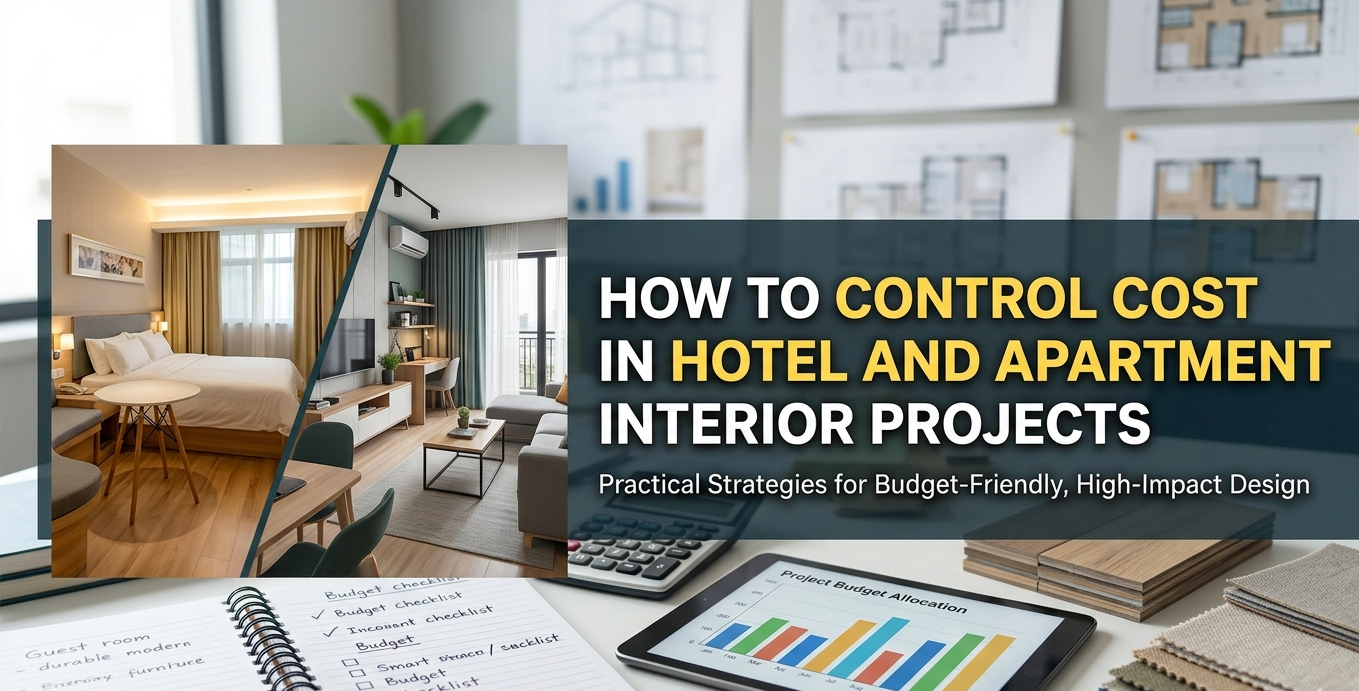
Managing the interior fit-out of a commercial real estate project—whether it is a 150-room mid-scale hotel, a multi-family apartment complex, or a collection of high-end rental villas—requires handling a massive Bill of Quantities (BOQ). The interior fit-out stage typically represents a substantial percentage of the total capital expenditure, secondary only to structural shell construction.
When budgets begin to overrun, the standard response is often arbitrary “cost cutting”—slashing specifications or picking the absolute cheapest available suppliers. This reactionary approach regularly introduces significant downstream issues, leading to premature material degradation, building code violations, and costly installation delays.
Controlling costs sustainably requires a systematic approach to procurement logistics, value engineering, and local consolidation.
Key Takeaways
- Centralize within an Industrial Cluster: Sourcing cross-category items from distant provinces multiplies internal administration and domestic freight fees. Centralizing procurement inside a single geographic ecosystem lowers baseline purchasing overhead.
- Value-Engineer Before Production: Focus on structural durability over raw luxury specs. Replacing expensive materials with high-performance, commercially certified engineered alternatives cuts initial costs without sacrificing aesthetic intent.
- Resolve Joint and Fitment Interfaces Early: Prevent expensive field modifications by running comprehensive pre-production cross-audits on shop drawings before factories run their assembly lines.
- Optimize Your Total Cubic Tonnage: Avoid shipping half-empty containers. Consolidate heavy architectural elements with lightweight, high-volume fixtures to maximize every dollar spent on international ocean freight.
Why Do Traditional Procurement Methods Inflate Commercial Fit-Out Budgets?
Traditional interior procurement frequently suffers from fragmentation. A developer typically tasks an internal purchasing team with identifying separate suppliers for every major division on the BOQ: buying flooring from one supplier, custom cabinetry from another, and free-standing guestroom furniture from a third.
On paper, picking the lowest individual quotation from isolated factories looks like a saving. In practice, this introduces heavy invisible friction. Managing dozens of independent vendor relationships increases administrative overhead and introduces severe timeline risks.
If your kitchen cabinetry supplier falls behind by three weeks due to an isolated localized issue, your on-site tiling and plumbing contractors cannot complete their handovers. While you wait for components to arrive from scattered regions, your local site labor costs continue to accumulate day by day, eroding any initial purchasing discounts.
How Does Sourcing via Foshan’s Geographic Clusters Reduce Structural Overhead?
The city of Foshan in Guangdong province fundamentally addresses the issues of procurement fragmentation through intense industrial density. Rather than operating generalized assembly areas, the region houses highly specialized, complementary material clusters located within a 30-to-45-minute driving radius of one another.
Chancheng handles the production of porcelain flooring and technical stone surfaces; Shunde operates as the global hub for loose furniture, seating, and commercial upholstery; and Nanhai specializes in aluminum windows, doors, and hardware fabrication.
This physical concentration provides structural financial advantages. Domestic logistics costs are virtually eliminated because components can be grouped within the same municipal zone. More importantly, it bridges communication gaps between factories.
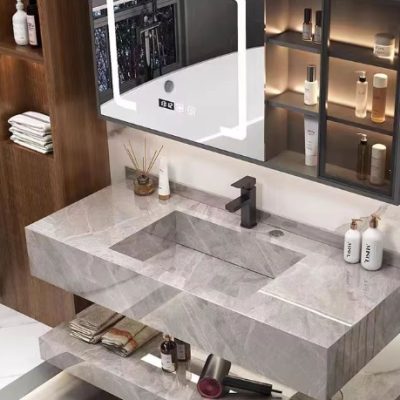
When a custom bathroom vanity frame built in Shunde needs to perfectly accommodate a precise technical quartz undermount sink profile cut in Chancheng, the two technical teams can cross-verify structural samples locally within a single afternoon. This prevents the weeks of back-and-forth transit normally required to resolve engineering errors between distant factories.
Where Do Most Hidden Costs Occur During the Custom Cabinetry and Furniture Phase?
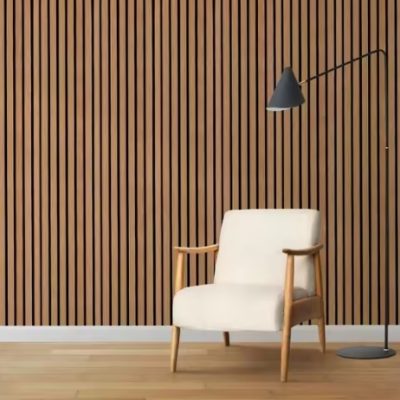
In major apartment and hotel builds, custom joinery (built-in wardrobes, kitchenettes, and wall paneling) is a common source of unexpected cost inflation. These overruns usually occur due to mismatches between initial architectural drawings and the physical realities of the construction site.
Traditional Fragmented Sourcing Risk:
[Cabinet Factory Works in Isolation] ---------> [Arrives on Site] -------> [Mismatched Clearances]
                                                                                   │
                                                                           (Expensive Field Repairs)

Integrated Foshan Sourcing Workflow:
[Cabinet Factory Profiles] <--> [Local Agent Cross-Audits] <--> [Site CAD Plan Adjustments]
                                        │
                         (Perfect Pre-Fabricated Fitment)
To prevent field repair fees, project managers must enforce a strict technical audit protocol before any raw materials are cut. This means your sourcing engineers must actively cross-examine your cabinetry shop drawings against the architectural framing layouts.
Ensuring that all built-in elements feature standard scribe pieces and adjustable filler strips (typically 20mm to 40mm) allows your installation crew to absorb real-world masonry variances without needing to cut or rebuild expensive pre-finished lacquered panels on-site.
How Does Strategic Container Engineering Prevent Ocean Freight Capital Wastage?
International shipping costs are determined by rigid volumetric and weight parameters. Standard ocean freight invoices are billed per container slot, regardless of whether you utilize its full mechanical capacity.
- The Over-Weight Trap: Dense, heavy materials like porcelain slabs, vitrified flooring tiles, and quartz sheets hit legal container weight limits while occupying less than 50% of the physical volume. You wind up paying full freight rates to transport empty space.
- The Over-Volume Trap: Lightweight, high-CBM items like mattresses, lounge sofas, and acoustic paneling fill a container’s entire physical space while utilizing under 30% of the allowable weight limits. Here, you are paying full freight rates to ship air.
A one-stop procurement hub in Foshan addresses this through mechanical container balancing at a local staging warehouse. By gathering different asset classes under a single roof, logistics staff can pack containers efficiently. Heavy structural items form a flat, stable foundation across the container floor. Lightweight, high-volume items are then packed securely above them.
This optimization technique maximizes both the physical space and the payload limits of every container, reducing the total number of ocean shipments needed for your project by up to 15-20%.
Why Choose HSY Sourcing for Your Project?
Operating directly from the center of Foshan’s manufacturing clusters, HSY Sourcing serves as your independent project management, quality engineering, and supply chain consolidation office on the ground in China.
- Cross-Category Technical Auditing: We do not work as basic product brokers. We review your full project BOQ, ensuring that custom millwork, structural door clearances, and hardware tolerances align accurately across your chosen factories.
- On-Floor Quality Inspections: We do not rely on paper data sheets or factory-provided photos. Our inspectors physically visit the production floors in Chancheng, Shunde, and Nanhai daily to check raw material grades, test wood moisture content to prevent warping, and verify structural frame joinery before upholstery begins.
- Centralized Cargo Staging: We utilize our own local storage facilities to collect, securely store, and palletize your multi-category interior packages. We oversee the entire container loading process to ensure heavy building materials are safely separated from fragile furniture.
- Unedited Technical Compliance Reports: We provide fully transparent inspection reports featuring raw digital measurements, weight tests, and unedited photography so you can verify order accuracy before authorizing balance payments.
Visit www.hsysourcing.com to share your project’s architectural drawings and material schedules. Let our local engineers build a streamlined, risk-free supply chain for your next development.
Frequently Asked Questions (FAQ)
Q: How can we ensure that value-engineered materials don’t lower our property’s market rating?
A: Value engineering should focus on material composition rather than visual quality. For example, replacing natural marble countertops in high-density apartments with high-purity engineered quartz preserves the luxury aesthetic while improving stain resistance and lowering raw material costs. The goal is to optimize performance metrics for high-occupancy environments without altering the visible design intent.
Q: How do you manage lead-time mismatches between different material categories?
A: We establish a reverse-engineered production timeline based on your target on-site installation schedule. Structural materials like flooring and sanitary ware have shorter production windows and are scheduled first. Custom items like cabinetry and loose upholstery require longer lead times. We schedule manufacturing releases in a staggered sequence so that all categories arrive at our local staging warehouse within a coordinated window, avoiding long-term storage fees.
Q: What is the risk of utilizing factory-standard hardware on hotel wardrobe and vanity orders?
A: Hidden functional hardware (such as cabinet hinges and drawer runners) is the most common point of failure in high-occupancy commercial properties. Factory-standard unbranded hardware often loses its spring tension within months. We mitigate this risk by writing specific, globally supported hardware brands (such as DTC or Blum) directly into the manufacturing agreements and verifying the authenticity of the product stamps during our mid-production floor checks.