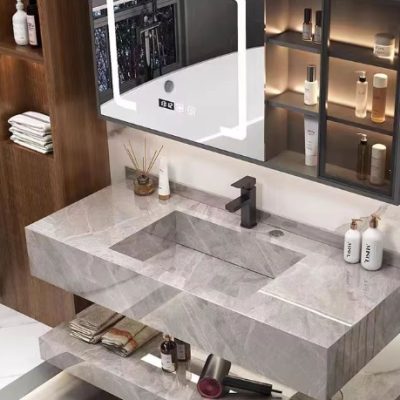


A natural marble slab with bold, sweeping veining can look magnificent on a display rack in a stone yard. A matte lacquered cabinet door with integrated finger pulls can look sleek in a factory showroom. A wide-plank wood floor or textured wall panel can look exceptional on a designer’s sample board.
Yet, when these same materials are manufactured, shipped, and installed inside a private villa, the overall space can feel disconnected.
The problem is rarely the quality of the individual materials. The issue is that each product was selected, evaluated, and approved as an isolated purchase rather than as part of a single, coordinated material system.
For a homeowner building or renovating a high-end villa, preventing a fragmented interior requires understanding how stone, joinery, flooring, and metal accents interact—and how to manage their selection during the procurement process.
Why Individual Materials Look Right Separately, but Wrong Together
Evaluating materials independently is one of the most common pitfalls in residential procurement. A product sample placed on a desk under bright office lighting behaves completely differently from a full-scale application installed in a room with multi-directional daylight and warm architectural lighting.
┌────────────────────────────────────────────────────────┐
│             SAMPLE VS. INSTALLED REALITY               │
├────────────────────────────┬───────────────────────────┤
│   ISOLATED SAMPLE (10x10cm)│   INSTALLED APPLICATION   │
├────────────────────────────┼───────────────────────────┤
│ • Static overhead light    │ • Changing natural light  │
│ • Minimal pattern detail   │ • Full veining / scale    │
│ • No adjacent reflections  │ • Bounces off floor/walls │
│ • Appears uniform          │ • Shows batch variation   │
└────────────────────────────┴───────────────────────────┘
A few key factors explain why individual material choices often clash once installed:
- Scale and Proportion: A 10×10 cm stone sample shows only a fraction of a slab’s character. Once scaled up across a four-meter kitchen island, subtle background tones or minor accent veins become dominant visual features.
- Reflectivity and Sheen: Combining high-gloss polished marble, super-matte cabinet doors, brushed metal trims, and satin-finished flooring creates a complex lighting environment. Highly polished surfaces reflect adjacent colors, changing how surrounding matte finishes appear.
- Undertones: Neutrals are rarely purely neutral. Whites, greys,beiges, and blacks carry subtle undertones of blue, green, yellow, or pink. Placing a cool-toned grey marble next to a warm-toned grey cabinet door highlights these hidden undertones, making one appear muddy or discolored.
Should You Select Stone or Cabinetry First?
There is no fixed rule stating that stone must be chosen before cabinetry, or vice versa. The correct starting point depends on which element serves as the primary visual anchor of the space.
                 ┌──────────────────────────────┐
                 │    IDENTIFY THE VISUAL ANCHOR│
                 └──────────────┬───────────────┘
                                │
        ┌───────────────────────┴───────────────────────┐
        │                                               │
┌───────┴───────────────────────┐       ┌───────────────┴───────────────┐
│ OPTION A: Stone-Led Palette   │       │ OPTION B: Joinery-Led Palette │
├───────────────────────────────┤       ├───────────────────────────────┤
│ • Bold, high-movement marble  │       │ • Specific wood veneer grade  │
│ • Cabinetry selected to match │       │ • Custom lacquered color code │
│   the stone's undertones      │       │ • Stone selected to complement│
└───────────────────────────────┘       └───────────────────────────────┘
1. The Stone-Led Approach
If your design features a dramatic natural marble or a heavily veined sintered stone slab for a central kitchen island or feature wall, the stone becomes the anchor material. In this scenario, cabinet finishes, wall panels, and flooring should be selected to complement the dominant tones and veining of the stone slab.
2. The Joinery-Led Approach
If the interior design relies on a specific wood veneer (such as smoked oak or figurative walnut) or a precisely calibrated lacquer finish across extensive millwork, the cabinetry becomes the anchor. The stone is then chosen in a secondary role—either providing a clean, quiet contrast or echoing the warmth of the joinery.
3. The Concept-Led Approach
When working with an architect or interior designer, both materials are often defined simultaneously through a physical material board. The objective during procurement is not to alter the balance, but to ensure that the physical materials sourced from manufacturers match the designer’s original intent.
Managing Natural Stone: Samples vs. Actual Slabs
Natural stone cannot be ordered like an industrial catalogue product. A sample provided six months ago may come from a completely different quarry block than the slabs available when your project is ready for production.
┌─────────────────────────────────────────────────────────────────┐
│                 NATURAL STONE SELECTION STEPS                   │
├──────────────────────┬──────────────────────────────────────────┤
│ Initial Reference    │ Review small physical sample for type    │
│ Slab Selection       │ Inspect photos/videos of active blocks   │
│ Final Approval       │ Approve actual full-slab photos or visit │
│ Cutting Plan         │ Sign off on vein-matching & dry-lay      │
└──────────────────────┴──────────────────────────────────────────┘
When sourcing natural marble or granite for a villa, keep these practical realities in mind:
- Slab-Specific Approval: Never approve a large natural stone order based solely on a small sample box. For prominent applications like island tops, feature walls, or primary bathroom vanities, review photos or videos of the exact, numbered slabs being quoted.
- Vein Alignment and Dry-Laying: For high-end applications, request a “dry-lay” inspection. The stone processor lays out the cut pieces on the factory floor before final polishing or packing, allowing you to check how veining flows across seams and corners.
- Sintered Stone Consistency: Sintered stone and porcelain slabs offer far greater pattern consistency than natural marble. However, surface textures (e.g., polished, honed, velvet, or matte) can still vary between production batches and should be verified against your cabinet finish samples.
If you are coordinating stone alongside cabinetry and other architectural elements, exploring a dedicated resource on coordinating kitchen, doors, windows and stone can help clarify how these materials interface during manufacturing.
Cabinetry as a Visual Surface
Cabinetry and architectural millwork often represent the largest continuous surface area in a villa’s interior. As a result, door profile, finish texture, and internal carcass details dictate the overall tone of the space.
┌────────────────────────────────────────────────────────┐
│             CABINETRY FINISH CONSIDERATIONS            │
├───────────────────────────┬────────────────────────────┤
│ FINISH TYPE               │ VISUAL IMPACT              │
├───────────────────────────┼────────────────────────────┤
│ Wood Veneer               │ Adds texture, warmth, and  │
│                           │ organic variation          │
│ Matte Lacquer / Paint     │ Absorbs light, creates a   │
│                           │ quiet, uniform backdrop    │
│ Metallic / Anodized Trim  │ Reflects light, introduces │
│                           │ sharp architectural lines  │
└───────────────────────────┴────────────────────────────┘
When matching custom cabinetry to surrounding finishes:
- Distinguish Between Contrast and Clashing: You do not need to match door colors directly to wall or floor colors. Controlled contrast—such as dark charcoal veneer cabinetry paired with a light, warm-grey stone—often creates a more refined result than attempting to match identical shades of grey across different materials.
- Account for Grain Scale: Fine-grain veneers (like straight-grain oak) create a clean, linear background that pairs well with active, heavily veined stone. Bold, figurative veneers (like burl or crown-cut walnut) compete visually with busy marble patterns and generally pair better with subtle, low-movement stone.
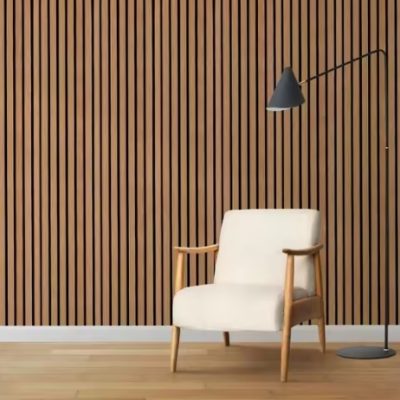
- Review Fluted and Textured Panels: Fluted or slatted wood panels create strong vertical shadow lines. Ensure these micro-shadows do not make surrounding neutral walls or stone surfaces appear darker than intended.
For homeowners planning built-in millwork across multiple rooms, reviewing a guide on custom villa cabinets and wardrobes provides deeper insight into structural specifications and carcass materials.
Supporting Elements: Flooring, Hardware, and Lighting
While stone and joinery form the visual core, supporting finishes establish the overall balance of the room.
┌────────────────────────────────────────────────────────┐
│                   THE INTERIOR PALETTE                 │
├────────────────────────────────────────────────────────┤
│                    Stone & Joinery                     │
│                  (Visual Anchor Core)                  │
│                           │                            │
│         ┌─────────────────┼─────────────────┐          │
│         │                 │                 │          │
│     Flooring        Hardware & Trims     Lighting      │
│ (Grounding Base)   (Accents & Details)  (Color Temp)   │
└────────────────────────────────────────────────────────┘
1. Flooring as the Grounding Base
Flooring ties adjacent spaces together. If you choose a bold, warm wood floor, it introduces a permanent warm undertone to the entire room. Cabinet finishes and baseboard trims must be evaluated against the floor material to avoid unintended color shifts.
2. Metals and Hardware as Detail Accents
Cabinet handles, faucet fixtures, lighting trims, and door hardware act as accent details. Mixing metals is acceptable—and often desirable—provided it is done intentionally. For example, warm brushed brass hardware can soften a cool grey stone, while black anodized aluminum hardware adds crisp architectural lines to warm wood joinery.
3. The Impact of Color Temperature (Kelvin)
Showroom environments often use bright 4000K–5000K white lighting, whereas residential villa interiors typically use warmer 2700K–3000K architectural lighting.
- Cooler Light (4000K+): Enhances greys, blues, and crisp whites, but can make warm wood veneers look dull.
- Warmer Light (2700K–3000K): Enriches warm veneers, brass accents, and beige stones, but can cast a yellow tint over cool white or light-grey lacquers.
Always review physical finish samples under a light source that mirrors your villa’s intended lighting plan.
The Practical Procurement Challenge: Multiple Factories, Dispersed Samples
In a luxury villa project, materials rarely come from a single supplier. Your kitchen cabinetry may be manufactured by a custom joinery factory, your marble processed by a specialized stone plant, your furniture crafted by an upholstery mill, and your aluminum sliding doors produced by an architectural glazing supplier.
This creates a real procurement hurdle: Each factory operates independently and only sees its own product.
┌─────────────────────────────────────────────────────────────────┐
│               THE DISPERSED PROCUREMENT PROBLEM                 │
├───────────────────┬───────────────────┬─────────────────────────┤
│ SUPPLIER A        │ SUPPLIER B        │ SUPPLIER C              │
│ Cabinetry Mill    │ Stone Processor   │ Glazing / Doors         │
├───────────────────┼───────────────────┼─────────────────────────┤
│ Sees wood/lacquer │ Sees raw marble   │ Sees aluminum/glass     │
│ samples in isolation│ slabs in isolation│ profiles in isolation   │
└───────────────────┴───────────────────┴─────────────────────────┘
                                 │
                     [Requires Centralized
                     Sample Coordination]
Without central management, physical samples remain scattered across different facilities. The stone supplier cuts slab cutouts without seeing the physical cabinet door finish, and the cabinet factory produces veneers without verifying the adjacent flooring material.
Practical Checklist: What to Confirm Before Production
Before transferring deposits and authorizing production across multiple factories, confirm the following steps:
- [ ] Physical Sample Overlay: Have physical samples of the approved stone slab, cabinet door finish, floor board, and metal accent been placed side-by-side and reviewed together?
- [ ] Lighting Verification: Have the combined samples been checked under both natural daylight and warm residential artificial lighting?
- [ ] Slab Sign-Off: For high-visibility natural stone, have exact slab photos, block numbers, and dry-lay layouts been formally approved?
- [ ] Control Samples Retained: Has a master set of approved material samples been retained by the owner or local representative to serve as a quality reference during pre-shipment inspections?
- [ ] Interface Drawing Review: Have the stone processor and cabinet manufacturer signed off on identical, cross-referenced CAD drawings showing seam locations, cutouts, and weight-bearing supports?
If you are preparing a major residential order, exploring a guide on sourcing a custom kitchen from China offers step-by-step detail on managing drawing approvals and production timelines.
How a Local Sourcing Partner Helps Coordinate Materials
Managing material coordination across separate factories in China requires on-the-ground execution. While an architect or interior designer establishes the aesthetic direction, a local procurement partner handles the practical work of aligning suppliers.
As a Foshan-based sourcing agent specializing in residential and private villa projects, HSY Sourcing acts as your local procurement representative. We do not design your interior or manufacture products; instead, we ensure that your approved design direction is accurately executed across every supplier.
┌────────────────────────────────────────────────────────┐
│             HSY LOCAL COORDINATION ROLE                │
├────────────────────────────────────────────────────────┤
│ • Collect & cross-match physical factory samples       │
│ • Verify stone slabs directly at local processors       │
│ • Confirm drawing dimensions across different trades    │
│ • Conduct pre-shipment inspections against control samples│
│ • Consolidate finished materials into unified shipments │
└────────────────────────────────────────────────────────┘
For villa owners sourcing from Foshan and surrounding industrial hubs, a local sourcing partner assists by:
- Centralizing Physical Samples: Collecting real finish samples from various specialized factories—cabinetry mills, stone yards, aluminum suppliers, and flooring plants—and assembling them into a master material board for physical verification.
- On-Site Stone Selection: Visiting local Foshan stone processors to inspect active marble blocks, photograph full slabs, and verify dry-lay layouts before cutting begins.
- Aligning Technical Drawings: Ensuring that the dimensional requirements between stone cutouts, cabinet carcasses, integrated lighting channels, and appliance housings are fully aligned across suppliers.
- Pre-Shipment Quality Inspections: Inspecting finished joinery, stone slabs, and metalwork against your approved master control samples prior to final packing and container loading.
To learn more about broader procurement management across multiple product categories, refer to our comprehensive guide on villa building material sourcing.
Key Takeaway
A cohesive luxury villa interior is not created by buying individual high-end products. It is achieved by managing how materials interact before manufacturing begins. By evaluating stone, joinery, flooring, and metals as a single unified palette—and verifying those combinations with physical control samples on the ground—you ensure that your finished villa reflects your original design vision.
Frequently Asked Questions
How do I match marble with kitchen cabinets?
Identify the dominant background tone and veining color in the marble. Choose cabinet finishes that either harmonize with those undertones or provide a deliberate, controlled contrast. Always place a physical cabinet door sample directly against the actual stone slab under realistic lighting before finalizing the order.
Should I choose stone or cabinetry first?
Choose whichever material serves as the main visual feature of the room. If you are using a dramatic, highly veined marble island, select the stone first and pick cabinet finishes that support it. If your design relies on custom wood veneers or specific lacquer colors, select the cabinetry first and find a stone that complements it.
How can I compare stone and cabinet samples if they come from different Chinese factories?
Request physical sample chips from each individual manufacturer. Rather than attempting to evaluate digital photos, have a local representative or sourcing agent collect the physical samples in Foshan, place them together under consistent lighting, and send you detailed video/photographic reference sets or consolidated sample packages.
Can natural stone be matched exactly to a small sample?
No. Natural stone is a quarried material with inherent variations in veining, background tone, and mineral deposits. A small sample represents the general type of stone, but not the exact pattern of a full slab. For key areas, always approve photos or videos of the specific, numbered slabs being cut for your project.
What should I confirm before ordering custom villa materials?
Confirm that physical samples of all adjacent materials have been reviewed together, that detailed CAD shop drawings have been cross-referenced between trades (such as stone and cabinets), that exact stone slabs have been selected, and that master control samples are retained for pre-shipment quality inspections.