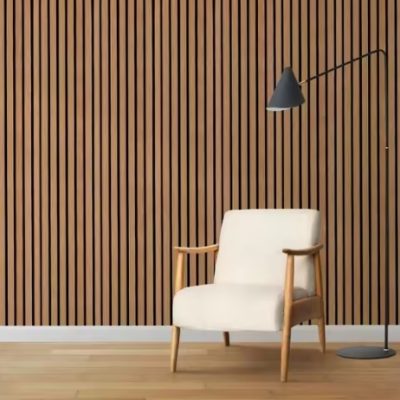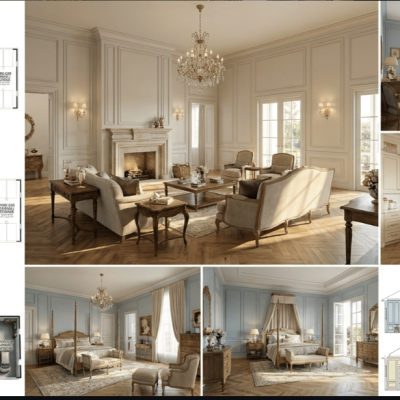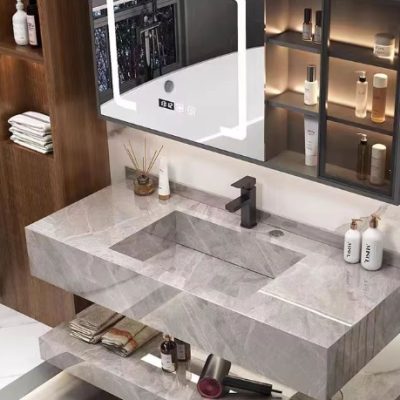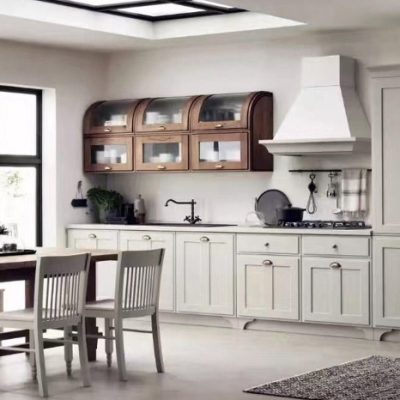


Procuring interior fit-outs for hospitality, apartment, or high-end villa projects is a high-stakes balancing act. Managing multiple suppliers for furniture, fixtures, and equipment (FF&E) alongside bulk building materials frequently leads to timeline friction, communication gaps, and compounding logistics costs.
Foshan, China, has evolved into a global cluster for one-stop interior sourcing. By aggregating specialized production zones for ceramics, lighting, custom furniture, and fenestration, the region allows international developers to consolidate an entire project’s interior package in one geographic location.
This guide outlines a structured, risk-mitigated approach to managing complete interior procurement from Foshan.
Key Takeaways
- Consolidation Minimizes Risk: Sourcing an entire interior package from a single industrial hub reduces cross-factory coordination failures and optimizes container loading.
- Technical Alignment is Critical: Shop drawings and material submittals must be locked down and physically verified before mass production to avoid site-fit issues.
- Local Oversight Replaces Guesswork: On-site quality control during production and loading is the only reliable way to ensure international hospitality standards are met.
Why source hotel interior packages from a single industrial cluster?
When executing a commercial hospitality project, managing a fragmented supply chain across different provinces introduces severe logistical vulnerabilities. If your lighting comes from one region, your bathroom vanities from another, and your millwork from a third, you face split shipments, mismatched technical tolerances, and redundant domestic freight costs.
Foshan concentrates these distinct manufacturing sectors within a 50-kilometer radius. This geographic density allows procurement teams to compress the sourcing timeline. More importantly, it enables seamless cross-category material matching—ensuring that the metal finishes on your lighting fixtures align with the hardware on your custom doors and case goods before items are packed into containers.
What are the steps to successfully execute a one-stop interior procurement project?
A successful bulk procurement project relies on a rigid framework rather than transactional purchasing. The process follows four distinct phases:
1. Technical Drawing Review and Material Submittal
The project begins with your architectural and interior design concepts. These must be translated into detailed manufacturing shop drawings. Every material—from the density of the MDF used in wardrobe carcases to the slip-resistance rating of lobby porcelain tiles—must be documented via physical control samples.
2. Factory Auditing and Capability Matching
Not every large factory is suited for hospitality work, and small workshops often lack the capacity for high-volume apartment projects. A physical factory audit verifies that a manufacturer possesses the precise machinery, skilled labor, and raw material supply chain required to meet your project’s specific commercial grade standards.
3. Systematic Production Monitoring
Hospitality procurement cannot rely on a factory’s self-reporting. Independent, on-site inspections are required at critical milestones: raw material verification, initial assembly of a mock-up room, mid-term production, and final pre-packaging inspection.
4. Consolidated Logistics and Container Loading Strategy
An interior package involves disparate goods—fragile custom glass, heavy stone tiles, and high-volume upholstered furniture. Loading must be mathematically planned. Packing dense items at the base and volumetric items on top maximizes container utilization while specialized crating prevents transit damage.
How do you maintain quality control across multiple product categories?
Managing quality across different manufacturing disciplines requires category-specific checklists rather than a generalized inspection form.
| Product Category | Critical Quality Checkpoints | Primary Testing Methods |
| Custom Furniture / Case Goods | Moisture content of timber, hardware cycle life, veneer matching, structural joints. | Moisture meter testing, load-bearing tests, alignment inspection under high-intensity light. |
| Ceramics & Sanitary Ware | Color consistency across batches, flatness, water absorption rate, glazing uniformity. | Caliper thickness checks, diagonal measurement for warp, dye testing for surface pinholes. |
| Windows, Doors & Facades | Structural thickness of aluminum profiles, EPDM gasket sealing, hardware smooth-operation. | Air permeability testing simulation, coating thickness gauge checks (micron level). |
| Lighting Fixtures | Driver compatibility, heat dissipation, structural grounding, plating finish durability. | Salt spray testing for hardware, continuous burn-in testing (24–48 hours), CE/UL certification verify. |
Why work with HSY Sourcing for your hospitality and real estate projects?
Navigating Foshan’s vast manufacturing ecosystem remotely introduces risks regarding accountability, language barriers, and hidden commissions. HSY Sourcing operates as your dedicated on-the-ground procurement and technical team in Foshan.
We do not operate as a standard trading company flipping products; we act as an extension of your own purchasing department.
- Deep Local Network: We leverage Foshan’s complete interior ecosystem, directly connecting your project with tier-one contract manufacturers for furniture, building materials, and fixtures.
- Technical Literacy: Our team bridges the gap between complex architectural blueprints and factory floor execution, ensuring shop drawings are technically sound before production begins.
- Strict Quality Enforcement: We conduct rigorous, unannounced factory visits and provide transparent, data-driven inspection reports at every stage of production.
- Logistical Efficiency: We manage the entire consolidation process, handling warehouse storage, customs clearance compliance, and optimized container loading to minimize your landed costs.
Frequently Asked Questions (FAQ)
How do you handle a mock-up room (model room) review for hotel projects?
We highly recommend producing a complete mock-up room for hotel projects. Once the individual factories produce the prototype furniture, sanitary ware, and lighting, we can either inspect them individually at the factories or assemble them in a consolidated space for your virtual or physical review. Adjustments are locked in at this stage before mass production begins.
Can you source eco-friendly or fire-retardant materials that comply with international building codes?
Yes. We source materials that meet specific international compliance standards, such as BS5852 or CAL113 for fire-retardant upholstery, E1/CARB Phase 2 for formaldehyde emissions in woodwork, and CE/UL certifications for electrical components. You must specify these regulatory requirements during the initial RFP stage.
What is the typical lead time for a complete hotel interior package from Foshan?
Lead times depend heavily on project scale and customization complexity. Generally, the engineering design and sample approval phase takes 3 to 4 weeks. Mass production for a standard 80-to-150-room hotel package typically requires 45 to 60 days, followed by domestic consolidation and loading.
How do you protect buyers from supplier default or delayed timelines?
We implement strict milestone-based payment structures with factories, tied directly to physical verification of production progress. Our local presence allows us to monitor daily output and identify early signs of factory delays, giving us the leverage to deploy corrective actions before timelines are compromised.