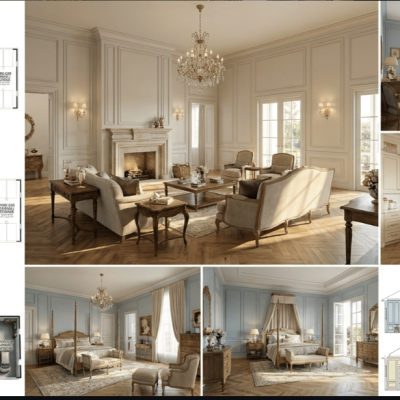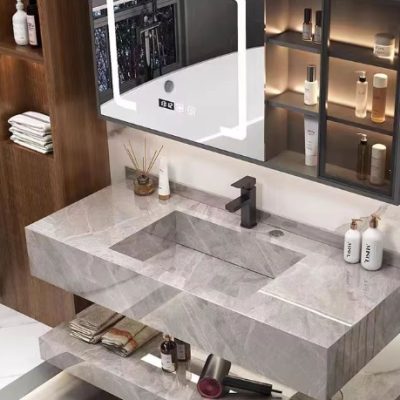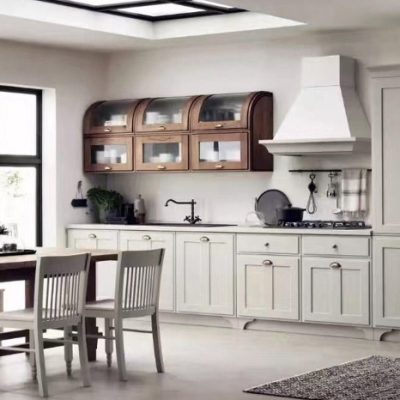

Procuring building materials and custom interior products for luxury villa developments requires balancing high aesthetic standards, structural durability, and precise engineering tolerances. Sourcing directly from China—particularly the industrial cluster of Foshan—gives real estate developers, hotel owners, and architects access to factory-direct pricing across ceramics, custom cabinetry, sanitary ware, and architectural aluminum.
However, high customization in villa projects leaves little room for error. Navigating thousands of vendors on B2B platforms, distinguishing legitimate original equipment manufacturers (OEMs) from middleman trading companies, and ensuring consistent quality control across multiple product categories are major operational challenges.
This guide outlines a practical, step-by-step framework for identifying, auditing, and managing reliable villa building material suppliers in China.
Key Takeaways
- Leverage Industrial Clusters: Focus your search on specialized regional hubs, primarily Foshan for ceramics, sanitary ware, furniture, and windows, and neighboring Guzhen for decorative lighting.
- Verify Business Scope Legally: Check a vendor’s official Chinese business license to confirm they are registered as a manufacturer rather than a trading company .
- Audit Technical Capabilities: Evaluate factories based on their in-house CAD engineering team, automated machinery (such as CNC stone cutters and edge-banders), and international certification compliance (cUPC, CE, WaterMark).
- Mandate Shop Drawings and Control Samples: Never initiate mass production without signed 2D/3D CAD shop drawings and physical master samples approved by your project architect.
- Conduct On-Site Milestones Inspections: Tie progress payments to verified quality checks—including raw material inspection, workshop trial assembly, and pre-shipment container audits.
Why Is Foshan the Primary Hub for Villa Building Material Procurement?
China’s manufacturing landscape is organized into specialized geographical clusters. For high-end villa and commercial property builds, Foshan (Guangdong Province) is the world’s largest integrated supply chain center for building materials and interior finishes.
+--------------------------------+--------------------------------------+------------------------------------+
| Product Category               | Primary Manufacturing Cluster        | Key Technical Advantages           |
+--------------------------------+--------------------------------------+------------------------------------+
| Porcelain Tiles & Slabs        | Nanhai & Shiwan (Foshan)             | Large-format sintered stone,       |
|                                |                                      | continuous vein-matching           |
+--------------------------------+--------------------------------------+------------------------------------+
| Custom Cabinetry & Joinery     | Shunde & Nanhai (Foshan)             | Automated CNC sizing, E0/F4-star   |
|                                |                                      | board materials, premium hardware  |
+--------------------------------+--------------------------------------+------------------------------------+
| Aluminum Windows & Doors       | Lishui & Dali (Foshan)               | Thermal break profiles, heavy-duty |
|                                |                                      | sliding systems, wind load testing |
+--------------------------------+--------------------------------------+------------------------------------+
| Sanitary Ware & Hardware       | Gaoming & Shiwan (Foshan)            | Vitreous china glaze, lead-free    |
|                                |                                      | brass casting, PVD finishes        |
+--------------------------------+--------------------------------------+------------------------------------+
| Loose Furniture (FF&E)         | Lecong & Longjiang (Foshan)          | World's largest furniture market,  |
|                                |                                      | bespoke luxury upholstery          |
+--------------------------------+--------------------------------------+------------------------------------+
| Architectural & Decorative     | Guzhen (Zhongshan - 45 mins from     | Bespoke chandelier engineering,    |
| Lighting                       | Foshan)                              | commercial LED driver integration  |
+--------------------------------+--------------------------------------+------------------------------------+
Sourcing within a unified cluster like Foshan minimizes inland transport costs between factories, simplifies sample collection, and allows efficient consolidation of multiple product categories into shared container shipments.
How Can You Distinguish Between Direct Factories and Trading Intermediaries?
While trading companies can add value in general consumer goods, custom villa procurement requires direct communication with factory engineering teams to handle structural modifications and shop drawings. Many suppliers on online directories market themselves as “factories” while operating strictly as trading intermediaries.
| Verification Criteria | Direct Manufacturing Plant | Trading Company / Intermediary |
| Business License Scope | Contains “Production” or “Manufacturing” | Contains “Sales” , “Trade” , or “Consulting” |
| VAT Tax Invoice | Issued directly under the factory’s registered legal name | Issued by a third party or trading firm |
| On-Site Facilities | Operates heavy machinery, raw material stock, and assembly lines | Maintains an office showroom or commercial sales office |
| Custom Engineering | In-house CAD technicians modify molds, profiles, and shop drawings | Relies on external factory technicians; slower response times |
| Production Transparency | Allows unannounced third-party factory visits and QC checks | Reluctance or delays in permitting factory floor access |
What Due Diligence Steps Are Mandatory Before Paying a Supplier Deposit?
To protect project budgets and construction schedules, execute a four-part verification process before signing purchase agreements or transferring funds.
┌────────────────────────────────────────────────────────────────────────┐
│                   SUPPLIER DUE DILIGENCE WORKFLOW                      │
├────────────────────────────────────────────────────────────────────────┤
│ 1. Legal Credit Check ──> National Enterprise Credit System (GSXT)     │
│                                                                        │
│ 2. Certification Audit ──> Verify cUPC, CE, WaterMark, ISO9001         │
│                                                                        │
│ 3. On-Site Audit       ──> Machinery, Production Lines & QC Staff      │
│                                                                        │
│ 4. Control Sample      ──> Architect Sign-Off on Physical Master Sample  │
└────────────────────────────────────────────────────────────────────────┘
1. Legal and Credit Verification
Request the supplier’s legal Chinese Business License. Verify their registration status, legal representative, and registered capital using the official National Enterprise Credit Information Publicity System (GSXT). Ensure the bank account name for wire transfers matches the registered corporate name exactly.
2. Quality Management & Product Certification Audits
High-end villa developments require compliance with local building codes. Audit the supplier’s certification validity:
- North America: cUPC for plumbing, SGCC for tempered glass, Title 24/NFRC for fenestration.
- Europe: CE marking, EN standards for sanitary ceramics, E0 emissions standards for woodwork.
- Australia/New Zealand: WaterMark and WELS ratings for plumbing, AS2047 for window systems.
3. Physical Machinery and Production Capacity Check
Confirm that the factory possesses the automated equipment necessary for precision villa manufacturing. For example, custom cabinetry suppliers should use German or Italian CNC edge-banding machinery (e.g., Homag) to prevent laminate peeling in high-humidity climates.
4. Physical Control Sample Sign-Off
Never rely on digital renderings or catalog photos. Establish three sets of signed physical control samples for wood finishes, natural marble, metallic PVD hardware, and aluminum profile coatings. One set stays with the buyer’s agent in Foshan, one remains at the factory production line, and one stays on-site with the project architect.
How Do You Evaluate Factory Capabilities for High-End Custom Villa Specifications?
Unlike mass-market apartment developments, luxury villas demand low-volume, highly complex production. A supplier capable of mass-producing standard tiles may struggle with intricate, custom-cut sintered stone waterjet medallions or floor-to-ceiling pivot door systems.
Essential Evaluation Criteria for Custom Projects:
- In-House CAD and BIM Capabilities: Assess how quickly the supplier’s technical team turns architectural drawings into detailed production shop drawings. Look for precise callouts regarding dimensions, material thicknesses, structural joinery, and installation hardware.
- Portfolio of Realized Commercial & Villa Projects: Request real photography and video documentation of completed projects. Ask for references from past international developers, contractors, or procurement agents.
- Workshop Trial Assembly (Mock-Up Units): Require the factory to perform full pre-shipment trial assemblies for complex items—such as kitchen islands, custom walk-in closets, bathroom vanities, and motorized pergolas.
Industry Rule of Thumb: If a factory refuses a trial assembly at their workshop, they are unlikely to meet the precision tolerances needed for effortless job-site installation.
What Are the Common Pitfalls When Contracted Manufacturing Begins?
Even after selecting a qualified vendor, production oversights can result in site delays, unapproved material swaps, or container shipping damage.
                  ┌─────────────────────────────────────────┐
                  │      Common Manufacturing Pitfalls      │
                  └────────────────────┬────────────────────┘
                                       │
         ┌─────────────────────────────┼─────────────────────────────┐
         ▼                             ▼                             ▼
┌───────────────────┐        ┌───────────────────┐        ┌───────────────────┐
│ Material Swaps    │        │ Batch Shifts      │        │ Packaging Failures│
├───────────────────┤        ├───────────────────┤        ├───────────────────┤
│ Lower wood grades,│        │ Color shade &     │        │ Thin cartons, no  │
│ non-spec hardware │        │ vein mismatching  │        │ corner protection │
└───────────────────┘        └───────────────────┘        └───────────────────┘
1. Unannounced Material Substitutions
Factories may occasionally substitute specified secondary materials to lower costs—such as using E1 grade board instead of moisture-resistant E0 marine plywood, or swapping brand-name soft-close hinges (Blum or DTC) for unbranded alternatives. Include detailed material line-items in the contract and perform random raw material inspections before cutting begins.
2. Batch Variations Across Production Runs
Ceramic glazes, natural stone veins, and anodized or PVD metal finishes fluctuate across different production batches. Ensure that all raw materials for a single villa project are ordered, batch-mixed, and processed in a continuous manufacturing run.
3. Inadequate Export Packaging
Domestic Chinese packaging is rarely sufficient for long-distance maritime transit and port handling. Require heavy sanitary ceramics, custom glass, and natural stone slabs to be packed in fully enclosed, IPPC-certified fumigated plywood crates with high-density foam padding and corner guards.
4. Vague Defect Liability Clauses
Avoid generic purchase agreements. Contracts should explicitly state acceptable dimensional tolerances (e.g., ±0.5mm for joinery cuts), allowable defect rates, clear lead time penalty clauses, and required remedies if goods fail pre-shipment inspection.
Why Choose HSY Sourcing for Your Villa Project in Foshan?
Finding reliable suppliers, verifying technical specs, and managing quality control across dozens of factories in China requires dedicated on-the-ground representation. HSY Sourcing serves as your local procurement, engineering, and quality assurance team in Foshan.
- On-Site Legal & Factory Auditing: We conduct rigorous on-site factory visits, inspect machinery, verify legal business licenses, and audit historical manufacturing records to eliminate middleman risk.
- Technical Shop Drawing Review: Our engineering team reviews all CAD drawings, structural window calculations, and joinery details alongside your project architect to resolve design issues before production starts.
- Comprehensive Quality Control (QC): We enforce a strict 3-stage inspection process—raw material verification, mid-production progress checks, and 100% pre-shipment trial assembly audits.
- Warehouse Consolidation & Staging: We receive shipments from all your Foshan suppliers into our local staging warehouse, inspect final quantities, re-pack fragile goods into export crates, and optimize container stuffing to minimize ocean freight costs.
- Transparent Project Management: Receive regular bi-lingual inspection reports, video walkthroughs, and milestone updates, giving you complete visibility over your project’s supply chain.
Frequently Asked Questions (FAQ)
Can I rely entirely on B2B directories like Alibaba or Made-in-China to find villa material suppliers?
B2B directories are useful for initial product research, but they do not guarantee factory authenticity or quality standards. Many top-tier OEM factories in Foshan that specialize in high-end export projects do not maintain active B2B directory storefronts. Working with an on-the-ground sourcing agent gives you direct access to vetted, professional manufacturing plants.
What are standard payment terms when ordering custom villa materials from Chinese suppliers?
Standard payment terms in China are typically 30% deposit upon order placement and contract sign-off, and the remaining 70% balance paid after passing pre-shipment inspection and before container loading. Never release the final balance until your local QC team or agent has formally approved the inspection report.
Is an in-person visit to Foshan necessary before placing orders for a luxury villa project?
While an in-person visit allows you to tour showrooms and inspect factories firsthand, it is not strictly required if you have trusted local representation. HSY Sourcing acts as your boots on the ground—conducting factory audits, sending physical control samples directly to your office, and managing on-site trial assemblies on your behalf.
How do sourcing agents handle non-conforming or defective items discovered during inspection?
If quality defects, incorrect dimensions, or finish mismatches are identified during pre-shipment inspection at the factory or warehouse, we issue an immediate hold on the shipment. The factory is required to repair, re-glaze, or remake the non-conforming items at their own expense before container loading is authorized.