
Key Takeaways:
- The Foshan Cluster Synergy: Sourcing windows, doors, and furniture from the same regional hub eliminates fragmented inland logistics and ensures aesthetic alignment.
- Volumetric Optimization: Combining heavy structural building materials (glazing) with high-volume, lightweight items (vacuum-compressed upholstery) significantly cuts ocean freight costs.
- Specification Synchronization: Custom whole-project procurement requires strict control over shop drawings to prevent structural misfit during site installation.
- Local Compliance Reality: Commercial projects must meet specific engineering tolerances and local building certifications (like AS2047, CE, or NFRC) before bulk production begins.
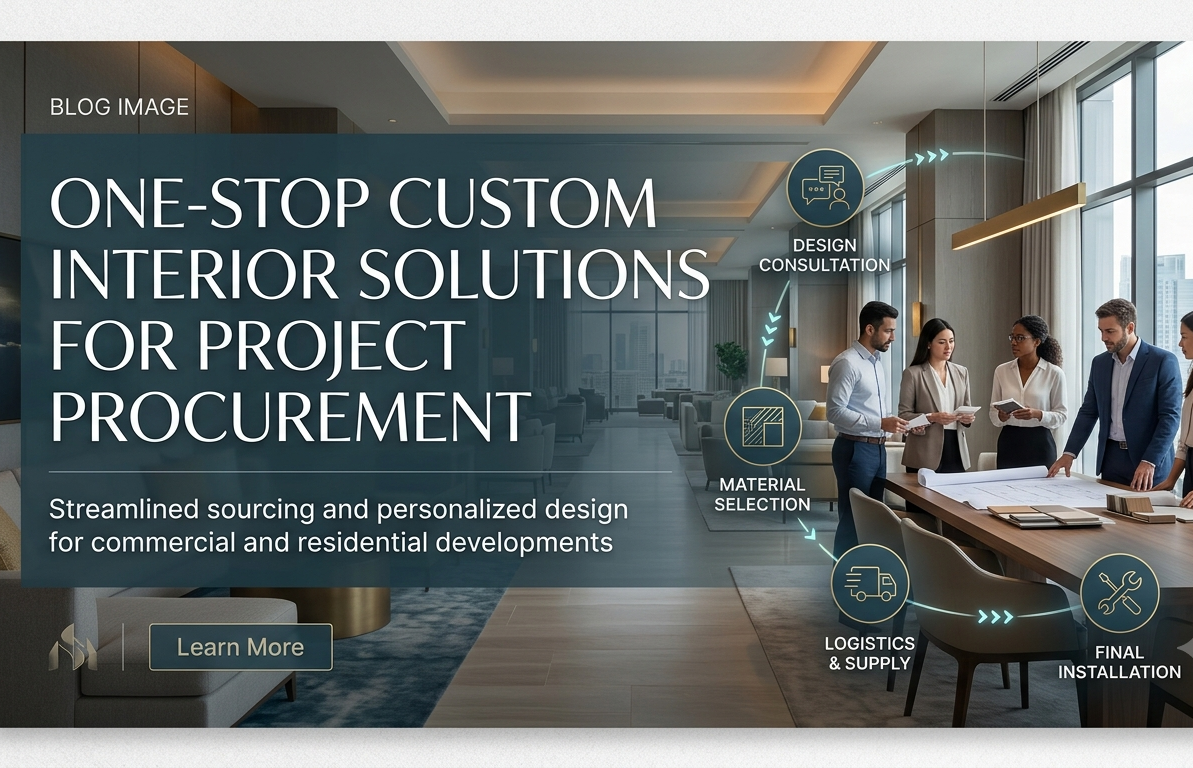
Managing a multi-unit interior fit-out for a hotel, apartment complex, or luxury villa development is a complex logistical process. Sourcing structural glazing from one province, flooring from another, and furniture from a third leads to fragmented quality control, high inland trucking fees, and a high risk of site delays.
For B2B buyers, the solution lies in utilizing an integrated, single-hub sourcing model. Foshan provides a unique global advantage: it is the epicenter of both heavy building materials (aluminum windows and doors) and commercial FF&E (Furniture, Fixtures, and Equipment).
Why is Foshan the Most Logical Cluster for Integrated Sourcing?
China features many manufacturing regions, but few offer a complete architectural ecosystem within a single municipality. Foshan’s window and door industry brings together aluminum extrusion plants, glass tempering facilities, specialized hardware suppliers, and surface finishing workshops into one highly coordinated supply chain.
When a project buyer attempts to coordinate across distant regions, minor changes in a window schedule or a door frame width can cause a cascading failure across the interior fit-out team. By localizing procurement within the Foshan cluster, custom dimensions for structural doors, fixed joinery, and loose furniture can be cross-verified on the ground, ensuring that components match when they arrive at the construction site.
How Does “Heavy-Light” Consolidation Reduce Project Freight Costs?
A major hidden expense in international project procurement is inefficient container utilization. Aluminum windows and doors are inherently heavy and require robust structural plywood crating. When you load a shipping container exclusively with custom glazing, you will hit the legal weight limit long before the container’s physical volume (CBM) is filled. You are essentially paying to ship empty vertical space.
Professional procurement strategies employ a cross-category loading model:
- Denser Layering: Heavy, crated items like windows, exterior doors, and porcelain tiles are positioned at the bottom of the container.
- Volumetric Fillers: The remaining upper 40% to 50% of the container’s space is packed with high-volume, lightweight interior assets, such as vacuum-compressed hospitality mattresses or sofas.
This approach maximizes container capacity, distributed across a single ocean bill of lading, reducing the total landed cost per square meter of your project.
+-------------------------------------------------------+
|  [Volumetric Fillers]                                 |
|  Vacuum-Compressed Sofas, Mattresses, & Hospitality FF&E|
+-------------------------------------------------------+
|  [Heavy Structural Layer]                             |
|  Crated Aluminum Windows, Custom Doors, & Tiles        |
+-------------------------------------------------------+
What Are the Technical Risks of Custom Window and Door Engineering?
Custom architectural glazing carries a low tolerance for error. Unlike loose furniture, which can be repositioned on-site, a window profile or entry door that deviates by 5mm from the structural opening cannot be installed without expensive on-site modification.
The primary risk in commercial procurement is the gap between initial architectural concepts and factory shop drawings. A reliable sourcing process mandates that the factory’s engineers generate detailed production CAD profiles based on finalized, as-built site measurements—not just early blueprints. Production should only proceed after your site engineers have reviewed and signed off on the wind load requirements (measured in Pascals), glass configurations (such as 5mm + 12A + 5mm double glazing), and profile thermal break specifications (like PA66 nylon).
How Do You Synchronize Production Lead Times Across Multiple Categories?
A complete interior package involves variable manufacturing timelines that must be aligned with the phases of construction. Windows and doors are needed early to close the building envelope against weather; interior casework, sanitary ware, and loose furniture are required much later.
| Product Category | Average Production Lead Time | Project Site Phase Required |
| Custom Windows & Exterior Doors | 35 – 45 Days | Structural Shell Completion (Envelope Close) |
| Tiles & Bathroom Sanitary Ware | 15 – 25 Days | Internal Wet Works & Wet Area Fit-Out |
| Loose Furniture & Custom Joinery | 25 – 35 Days | Drywall Completion & Final Finishing |
A fragmented approach where each factory ships independently results in disorganized site arrivals and unnecessary storage fees. A structured local process utilizes a centralized Foshan holding warehouse to receive goods sequentially, performing strict quality gates at each factory delivery before final container loading.
Why Choose HSY Sourcing for Your Project Procurement?
At HSY Sourcing, we operate directly out of the Foshan manufacturing cluster, acting as your on-site technical procurement office for hotel, apartment, and premium villa developments.
- Geographical Footprint: Based in the heart of Guangdong’s industrial hub, our team manages direct oversight over extrusion plants, glazing facilities, and furniture workshops without intermediate trading markups.
- Technical Vetting: We do not rely on factory-supplied photos. We review architectural shop drawings and carry physical measurement tools—such as digital calipers and glass thickness gauges—directly to the production lines to verify aluminum wall thickness and hardware specifications against your BOQ.
- Logistical Optimization: We specialize in cross-category consolidation. We manage the collection of heavy building materials and lightweight furniture into scientifically balanced container loads, lowering your global freight expenditures.
- Timeline Management: We align factory outputs with your real-world construction schedule, ensuring materials are delivered in the precise sequence your installation crews require.
Visit www.hsysourcing.com to submit your project specification sheets and discuss a structured procurement plan with our engineering team.
Frequently Asked Questions (FAQ)
Q: How do you verify that custom windows meet our country’s wind load and energy codes?
A: We require the manufacturing plants to provide certified laboratory test reports matching your target standards (such as AS2047 for Australia or NFRC/AWA criteria). We verify the implementation of structural profiles and thermal breaks during our mid-production audits.
Q: Can we customize both the hardware finishes for doors and the fabric colors for the furniture?
A: Yes. For project-scale volumes that meet commercial minimum order quantities (MOQs), we coordinate custom powder-coating for aluminum profiles and manage the distribution of approved material swatches across different factories to ensure aesthetic consistency.
Q: How are fragile glass panels and heavy frames protected during long-distance ocean transit?
A: We enforce a strict packaging protocol. All custom profiles are wrapped in protective pearl cotton (EPE) film, fitted with corner guards, and secured inside fully enclosed, rigid plywood crates. We physically supervise the container stuffing process in Foshan to ensure crates are braced to prevent shifting at sea.
Q: Is there a minimum project scale required to use HSY Sourcing’s one-stop solution?
A: While we cater to commercial developments like hotels and apartments, the consolidated sourcing model is most cost-effective when your total bill of quantities occupies at least one full container load (FCL), making the local warehousing and customs process financially practical.