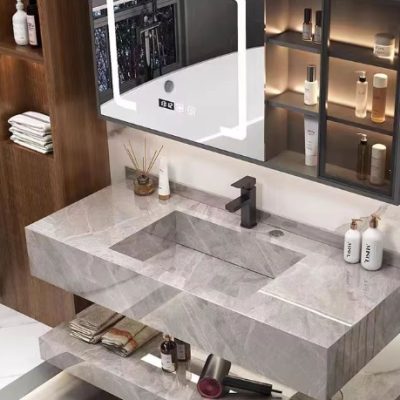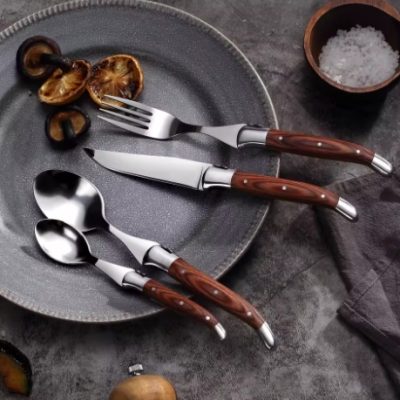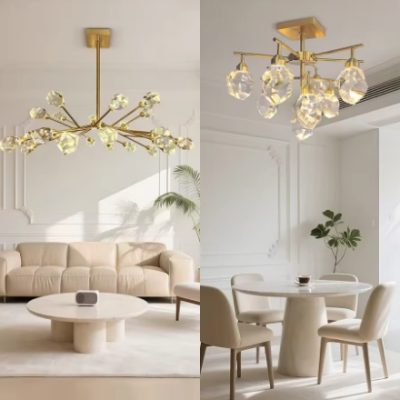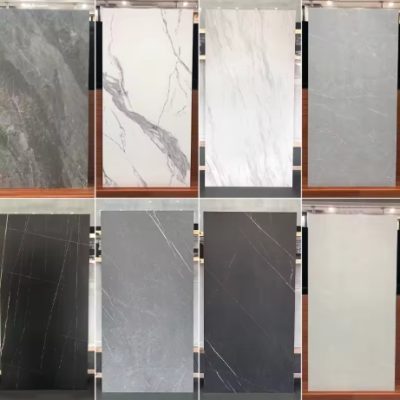

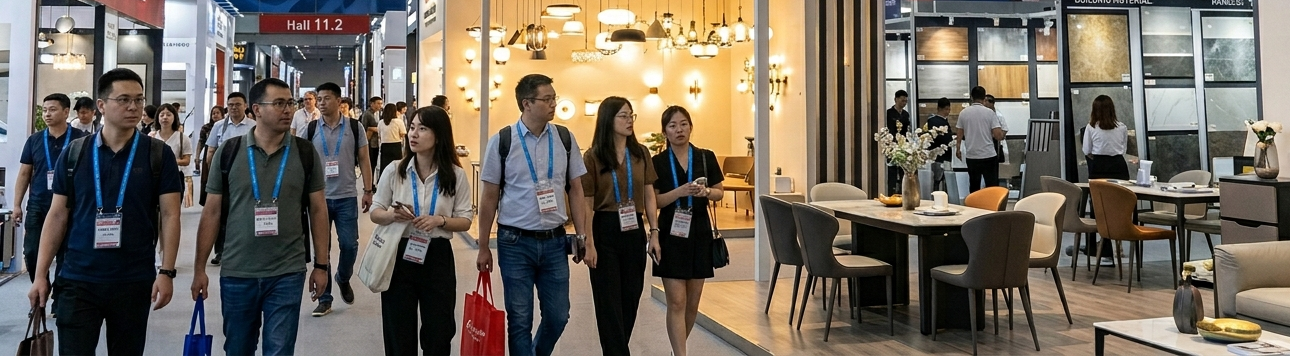
The Canton Fair is massive. If you are sourcing bulky, high-stakes categories like furniture, lighting, or building materials, walking the aisles without a strategy is a quick way to get overwhelmed.
For professional importers, wholesalers, and project buyers, a booth display is only surface-level. The real goal of the fair is to filter out middlemen, evaluate manufacturing capabilities, and build a shortlist of viable supply chain partners before moving on to factory audits.
Here is a practical, grounded approach to navigating the fair for these specific industries.
Phase Planning and Pre-Fair Strategy
The Canton Fair is split into three phases. Building Materials and Lighting are typically exhibited in Phase 1, while Furniture is showcased in Phase 2. You must verify the current year’s layout and plan your travel dates accordingly.
Bring the Right Data, Not Just Questions Don’t walk into a booth simply asking, “What is your best price?” Factories respect prepared buyers. Bring your Bill of Quantities (BOQ), technical specifications, or target materials.
The Digital Comparison Strategy Paper notes get lost. Use your phone strategically: take a photo of the supplier’s business card held up next to the specific product sample and the booth number. This instantly creates a visual, searchable record of who sells what.
Sourcing Furniture: Look Past the Aesthetics
When evaluating furniture at a booth, assume everything looks great under exhibition lights. Your job is to check the hidden construction and understand their production limits.
- Contract vs. Retail Grade: If you are sourcing for commercial projects (hotels, restaurants), retail-grade furniture will fail within a year. Ask about foam density, frame joinery (e.g., kiln-dried solid wood vs. cheap MDF), and fabric durability.
- Customization Reality: Many suppliers can change a fabric color, but fewer can alter the actual mold or dimensions of a chair without demanding massive Minimum Order Quantities (MOQs).
- Key Questions to Ask:
- What is the Martindale rub count on this fabric?
- Can you provide fire-retardant treatments (e.g., BS5852 for the UK, CAL117 for the US)?
- What is the MOQ for a custom dimension versus a standard catalog item?
Sourcing Lighting: Components and Compliance
Lighting is one of the riskiest categories to import. Outwardly, two fixtures may look identical, but the internal components dictate the price, lifespan, and legality of the product.
- Certifications are Non-Negotiable: Customs agencies strictly regulate lighting. If you import uncertified goods, they can be seized or destroyed.
- The Inside Matters: The cost of an LED fixture is driven by the chip and the driver.
- Key Questions to Ask:
- Do you hold valid UL, CE, SAA, or RoHS certifications for my specific target market? (Always ask to see the actual certificate later, as some suppliers fake them).
- What brand of drivers (e.g., Meanwell, Philips) and LED chips (e.g., Osram, Cree) do you use?
- What is the warranty period, and what is your defect replacement policy?
Sourcing Building Materials: Consistency is Everything
Building materials (tiles, flooring, panels, hardware) require a highly technical evaluation. You are buying performance and consistency, not just a design.
- Batch Consistency: A sample tile at a booth proves nothing if the factory cannot maintain color and size consistency across a 10,000-square-meter production run.
- Lab Testing: Do not take verbal promises on material performance. If a supplier claims a door is fire-rated or a floor is waterproof, they need the paperwork to back it up.
- Key Questions to Ask:
- Can you provide third-party lab test reports for water absorption, acoustic ratings, or load-bearing capacity?
- What is your standard procedure for pre-shipment quality control?
- Are you a manufacturer, or do you outsource to partner factories?
How to Spot a Real Factory vs. a Trading Company
The Canton Fair is full of trading companies acting as factories. While trading companies can be useful for consolidating small orders, for large-scale furniture and building material sourcing, you usually want direct factory access.
- The Technical Test: Ask a deep technical question about the manufacturing process (e.g., “What temperature is this ceramic fired at?”). Factory reps usually know or can easily call their production engineer. Traders often give vague answers.
- Product Focus: If a booth sells office chairs, bathroom sinks, and outdoor lighting, they are a trading company. Real factories specialize in one or two material categories.
The Real Work Happens After the Fair
Do not finalize large orders on the exhibition floor. The Canton Fair is strictly for shortlisting.
Fortunately, the manufacturing hubs for these exact categories—Foshan (for furniture and building materials) and Zhongshan (for lighting)—are located just 1 to 2 hours away from the Guangzhou fairgrounds. Schedule time immediately after the fair to visit your shortlisted factories, verify their production lines, and negotiate terms in their boardrooms.
Key Takeaways
- Know Your Phases: Align your travel schedule with Phase 1 (Lighting/Building Materials) or Phase 2 (Furniture).
- Focus on Specs, Not Just Looks: Dig into foam density, LED drivers, and material compositions.
- Verify Compliance Early: Ensure the supplier holds the legal certifications (UL, CE, fire ratings) required for your country.
- Filter Out Middlemen: Look for suppliers with a narrow, specialized product focus to ensure you are dealing directly with a manufacturer.
- Plan Post-Fair Factory Visits: Use the fair to build a shortlist, then travel to nearby hubs like Foshan and Zhongshan to verify the actual factories.
FAQ
Are the prices quoted at the Canton Fair final? No. Booth prices are usually standard baseline quotes. Final pricing is negotiated after the fair once you confirm your exact order volumes, material customizations, and packaging requirements.
Should I buy from a trading company or a direct manufacturer? If you are buying mixed containers with small quantities of many different products (e.g., a few sofas, some lights, and a bit of flooring), a trading company is helpful for consolidation. If you are buying volume or need deep customization, go direct to the manufacturer.
How do I verify if a supplier’s certifications are real? Never accept a photocopy of a certificate at face value. Ask for the certificate number and the name of the testing laboratory (e.g., SGS, TUV, Intertek). You can then verify the number directly on the testing laboratory’s official website.
Can I arrange shipping directly at the Canton Fair? While there are logistics providers exhibiting at the fair, you do not need to finalize shipping there. Focus on finalizing your product specifications and supplier terms (usually FOB). You can arrange your freight forwarder closer to the production completion date.