
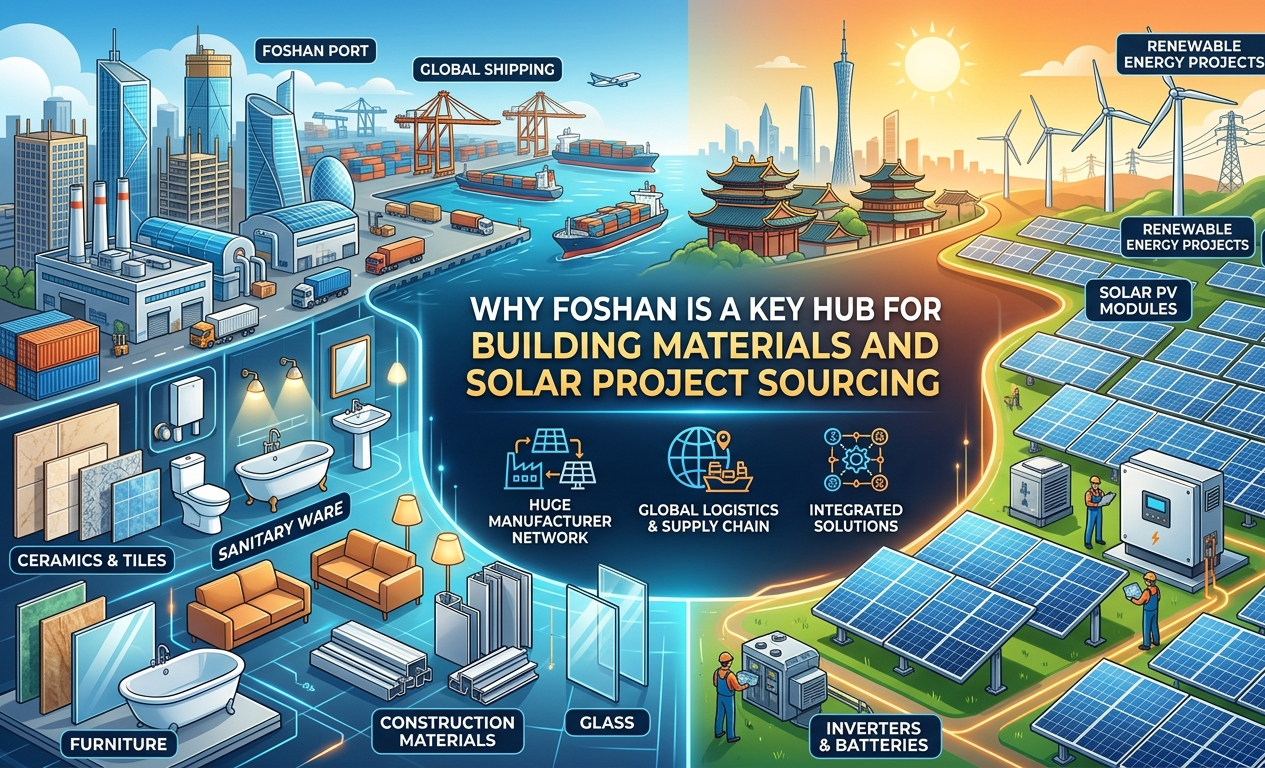
In the global construction industry, the name Foshan has long been synonymous with high-end furniture and ceramics. However, as we move into 2026, Foshan has evolved into something much more significant: a multimodal sourcing hub where traditional building materials meet the future of renewable energy.
For property developers and solar project managers, Foshan offers a unique “Industrial Synergy” that reduces costs, minimizes logistical friction, and ensures technical consistency across a project’s entire lifecycle.
Why does Foshan remain the global leader in building materials?
Direct Answer: Foshan’s leadership is built on a hyper-dense ecosystem of specialized industrial clusters. Within a one-hour radius, you have direct access to the world’s most advanced factories for ceramic tiles, aluminum systems, lighting, and cabinetry, allowing for unparalleled customization and factory-direct pricing.
Foshan is not just a marketplace; it is a manufacturing engine.
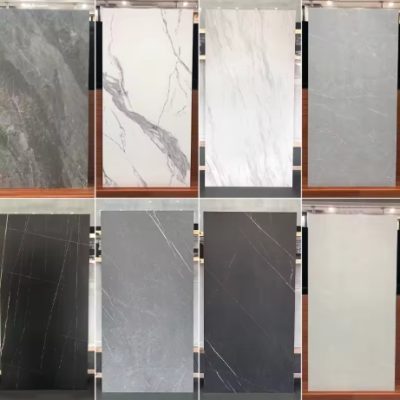
- Nanzhuang: The world’s ceramic capital, producing porcelain tiles that set international design trends.
- Dali: The hub for precision aluminum profiles, essential for high-performance windows and curtain walls.
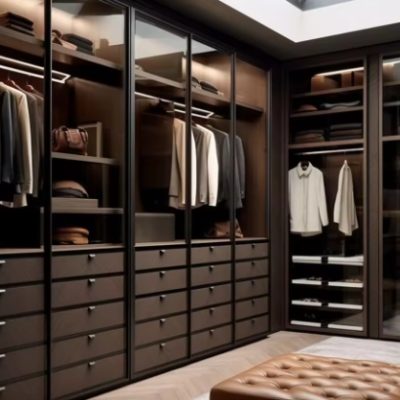
- Shunde: The epicenter of FF&E (Furniture, Fixtures, and Equipment), capable of outfitting entire hotels and residential complexes. By sourcing here, you aren’t just buying products; you are tapping into a supply chain where “Design for Manufacturability” is the standard.
Why is Foshan becoming a strategic hub for solar project sourcing?
Direct Answer: While solar panels are manufactured across China, Foshan has emerged as the premier integration and consolidation hub for solar-ready construction projects. It is the logical center for sourcing BIPV (Building-Integrated Photovoltaics) and Energy Storage Systems (ESS) alongside structural materials.
The modern developer doesn’t just want a roof; they want an Energy-Generating Asset. Foshan’s proximity to China’s renewable energy manufacturing heartland—combined with its own growing “Hydrogen Valley” and clean tech initiatives—makes it the ideal location to:
- Sync Solar with Structure: Ensure your aluminum window frames and roofing systems are technically compatible with PV mounting hardware.
- Consolidate Technical Goods: Manage the complex dangerous goods (DG) logistics of lithium batteries (ESS) at the same time you are shipping your interior fit-out.
- BIPV Integration: Source specialized “solar glass” that functions as both a building facade and a power plant.
How do you manage the complexity of “Integrated Sourcing”?
Direct Answer: Successful integrated sourcing requires a local hub that can handle the “Three Cs”: Compatibility, Consolidation, and Compliance. This involves a centralized staging warehouse where building materials and solar components are technical-checked and loaded together.
The biggest challenge for an overseas buyer is the “Logistical Gap.” Shipping tiles from one factory and solar panels from another often leads to double the shipping costs and mismatched delivery times. A Foshan-based hub allows you to:
- Verify Technical Handshakes: Ensure the solar inverter’s communication protocol matches your building’s smart management system.
- Optimize Container Volume: Use heavy tiles as a base and lightweight furniture or solar panels on top, maximizing container ROI.
- Unified Quality Control: Perform a final inspection of all project components in one location before the container is sealed.
Key Takeaways
- Cluster Advantage: Use Foshan’s specialized towns to get the best factory-direct prices on technical building materials.
- Solar-Construction Synergy: Treat solar as a structural element of your building project to improve long-term asset value.
- Local Hub Strategy: Utilize a Foshan-based warehouse to consolidate diverse product categories into one managed shipment.
- Technical Oversight: Integrated sourcing requires more than a translator; it requires technical verification of protocols and material specs.
FAQ: Sourcing in Foshan
Q: Is it safe to ship solar panels and building materials in the same container?
A: Yes, if done professionally. We use vertical crating for PV panels to prevent micro-cracks and place them atop heavy materials like tiles or windows, ensuring structural safety during ocean transit.
Q: Can Foshan factories customize building materials for solar integration?
A: Absolutely. Many aluminum profile factories in Dali now design frames specifically to accommodate PV mounting systems for curtain walls and skylights.
Q: How do I handle the specialized paperwork for solar batteries?
A: Solar energy storage (lithium batteries) are Class 9 Dangerous Goods. A local Foshan agent with DG expertise handles the MSDS, UN38.3 reports, and specialized crating required for compliance.
Build the Future with HSY Sourcing
The line between “Construction” and “Energy” is blurring. To stay competitive, you need a partner who understands both the structural integrity of a building and the technical complexity of solar energy.
At HSY Sourcing, we are your eyes, ears, and technical advisors in the heart of Foshan. We provide a comprehensive “Project Hub” solution that bridges the gap between these two worlds.
- Strategic Location: Our deep roots in Foshan’s building material clusters give you direct access to Tier-1 manufacturers.
- Technical Renewable Expertise: We don’t just find panels; we verify Inverter-BMS protocols and ensure your solar systems are grid-ready.
- Seamless Consolidation: We manage the entire logistics chain from our local warehouse—merging your tiles, furniture, and solar storage into one safe, cost-effective container.
- Radical Transparency: You get the real factory data, on-site inspection videos, and unedited technical reports.