
Key Takeaways:
- Fire Safety is Non-Negotiable: Exterior and interior cladding must comply with strict local fire retardancy standards (e.g., Euroclass A1/A2, ASTM E84, or AS1530). Never rely on verbal factory promises; demand verifiable laboratory test reports.
- Factor in Thermal Expansion and Contamination: Materials like aluminum composites, WPC, or terracotta expand and contract significantly with climate shifts. The cladding systems must be engineered with appropriate fixing clips and expansion gaps.
- Wind Load and Wall Thickness Matter: For multi-story hotels and apartments, cladding panels must withstand regional wind pressures. Ensure the structural thickness of the metal or composite layer is physically verified before production.
- Leverage Cross-Category Shipping: Cladding panels are long, flat, and heavy. Consolidating them with architectural window systems from the same geographic region allows for efficient container packing, lowering total freight costs.
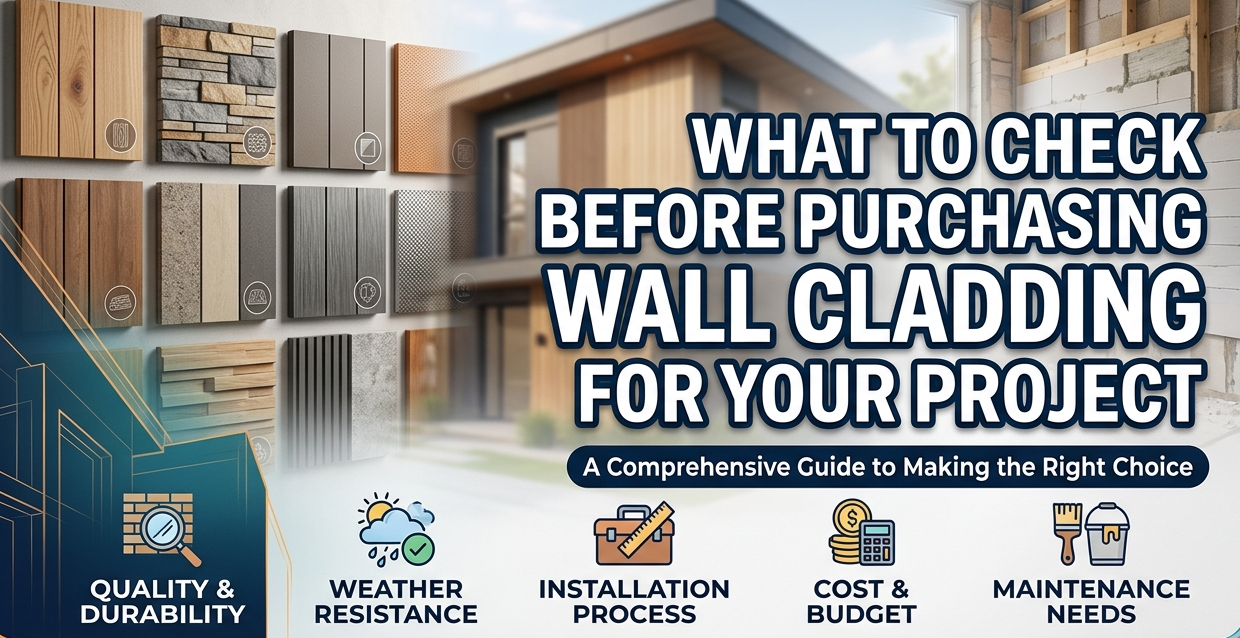
Wall cladding is a high-stakes procurement category for any commercial real estate development. Whether you are specifying aluminum composite panels (ACP), terracotta louvers, exterior WPC (Wood Plastic Composite), or natural stone veneers, cladding defines both the structural protection and the visual identity of a building.
Foshan is the primary industrial hub for architectural building materials. Sourcing directly from this ecosystem gives developers substantial cost advantages, especially when coordinating cladding alongside the city’s robust door and window manufacturing sector.
However, cladding failure can lead to catastrophic building inspections, water ingress, or legal liabilities. If you are managing procurement for hotels, apartments, or high-end villas, here is exactly what you need to check before placing a factory order.
Does the Cladding System Hold Legitimate, Third-Party Fire Certifications?
The single most critical checklist item for exterior or interior wall cladding is fire compliance. High-rise apartments and commercial hotels face strict regulatory oversight globally regarding non-combustible building envelopes.
- Core Material Composition: Cheap aluminum composite panels historically used low-density polyethylene cores, which are highly flammable. For commercial projects, you must specify FR (Fire Retardant) or A2 non-combustible mineral cores.
- Testing Documentation: The factory must supply recent test reports from recognized international bodies like SGS, Intertek, or TUV. Depending on your jurisdiction, look for specific standards such as EN 13501-1 (Europe), ASTM E84 (USA), or AS/NZS 1530 (Australia). Ensure the report explicitly covers the exact thickness and profile you are ordering.
Have You Calculated the Thermal Expansion and Moisture Absorption Rates?
Wall cladding is directly exposed to harsh environmental elements. Materials that perform well in a temperate climate can buckle, warp, or crack when installed in regions with extreme temperature swings or high humidity.
- WPC and Polymer Cladding: Wood-plastic composites expand and contract along their length. You must check the manufacturer’s thermal expansion coefficient and ensure they supply the correct expansion joints and hidden fixing clips to allow the material to breathe on the sub-frame.
- Moisture and UV Degradation: For coastal villa or hotel developments, the cladding’s surface treatment must withstand heavy salt air and UV exposure. Ensure exterior panels use high-grade architectural coatings, such as PVDF (Polyvinylidene Fluoride) for aluminum or co-extrusion technology for WPC, backed by a 10-to-15-year warranty against fading and chalking.
Is the Structural Thickness Engineered for Your Project’s Wind Loads?
For multi-story apartment buildings and hospitality structures, cladding panels are subjected to intense negative and positive wind pressures. Skimping on material thickness to reduce unit costs is a major structural risk.
| Cladding Material Type | Standard Residential Thickness | Recommended Commercial/Project Thickness |
| Aluminum Composite (ACP) | 3.0mm (with 0.21mm aluminum skin) | 4.0mm to 6.0mm (with minimum 0.50mm skin) |
| Solid Aluminum Panels | 1.5mm to 2.0mm | 2.5mm to 3.0mm minimum |
| Exterior WPC Panels | 15mm to 18mm (hollow core) | 22mm to 26mm (solid or heavy-reinforced core) |
When reviewing factory shop drawings, your engineering team must verify that the panel thickness and the alloy grade (such as 3003 or 5005 series for aluminum) match the wind load calculations specified by your structural engineer.
Are the Matching Sub-Frames and Installation Trims Included in the BOQ?
A very common procurement mistake is ordering thousands of square meters of cladding panels while completely forgetting the specialized sub-framing, flashing, and joinery profiles.
Cladding cannot be glued directly to a raw concrete or brick wall; it requires an engineered aluminum or galvanized steel batten system (furring channels) to create a ventilated cavity. This cavity prevents moisture from trapping behind the wall. Ensure your Bill of Quantities (BOQ) explicitly includes matching external corners, starting tracks, window reveal flashings, and waterproof EPDM gaskets. Sourcing these items from the same factory ensures color matching and seamless interlocking.
How Is the Factory Testing the Adhesion and Finish Quality Mid-Production?
Waiting until the cladding arrives at your construction site to check for defects is too late. For pre-finished panels, the surface quality must be flawless.
Your quality control protocol must require physical, mid-production testing on the factory floor:
- Cross-Hatch Adhesion Test: For painted metal panels, the factory should perform a cross-hatch tape test to ensure the protective coating will not peel or flake under environmental stress.
- Dye Lot Consistency: An independent inspector must verify color uniformity across different manufacturing batches. In large-scale hotel or villa projects, even a minor variance in color tint between production runs will be highly visible once installed under uniform sunlight.
Why Choose HSY Sourcing for Your Cladding and Window Procurement?
Sourcing heavy architectural building components from China requires rigorous local oversight. Based in Foshan, HSY Sourcing operates as your independent, on-the-ground project management and technical quality control division.
- Geographic and Technical Integration: Foshan is the global hub for aluminum extrusion. Because wall cladding systems frequently interface directly with window and door frames, we utilize our geographic proximity to coordinate both categories simultaneously. We bridge the gap between your architect’s CAD schedules and the factory’s production lines to ensure exact structural alignment.
- Factual Inspection, No Fluff: We do not send you stock images or polished digital renderings. Our engineers go to the factory floor with digital calipers, cross-hatch testers, and spectrometers to provide you with real-life, unedited photos and physical data reports before any material is approved for packing.
- Strategic Warehouse Staging: Cladding panels are long and highly susceptible to bending or edge-chipping during sea transit. We manage the consolidation at our local Foshan warehouse. We oversee the construction of reinforced timber or steel crates and engineer the container loading—placing heavy cladding sub-frames at the bottom and lighter architectural items on top to maximize shipping space safely.
- Compliance Verification: We ensure that all technical contracts specify exact international standards (such as AS2047 for windows or local fire codes for cladding) and verify the laboratory test credentials before you pay the production deposit.
Visit www.hsysourcing.com to upload your architectural specifications and project BOQ. Let our local team secure a compliant, precisely engineered supply chain for your next development.
Frequently Asked Questions (FAQ)
Q: Can Foshan factories manufacture custom cladding profiles based on our architect’s specific design concepts?
A: Yes. Foshan’s manufacturing base excels at OEM customization. For solid aluminum panels or WPC extrusions, we can work with the factory engineers to open custom tooling molds based on your architectural CAD drawings. We will provide a physical, extruded sample for your sign-off before mass production begins.
Q: What is the typical production and delivery lead time for commercial wall cladding?
A: Standard WPC or aluminum composite panels generally take 20 to 25 days to manufacture after shop drawings are approved. Custom perforated panels or anodized solid aluminum finishes can take 35 to 45 days. Ocean freight to major international ports typically takes between 2 to 4 weeks depending on the destination.
Q: How do we handle moisture proofing behind the cladding panels?
A: Cladding systems are designed as “rainscreens.” They shed the majority of water, but a small amount of moisture will always penetrate the joints. Your procurement plan must include high-quality weather-resistant barriers (wraps) or waterproofing membranes to be installed on the raw building wall before the cladding’s aluminum sub-frame is mounted. We can source these compliant membranes locally in Foshan to match your system.