
For many property developers and interior project managers, the term “One-Stop Sourcing” is often dismissed as a marketing buzzword. However, in the industrial geography of China, it is a physical reality—provided you know where to look.
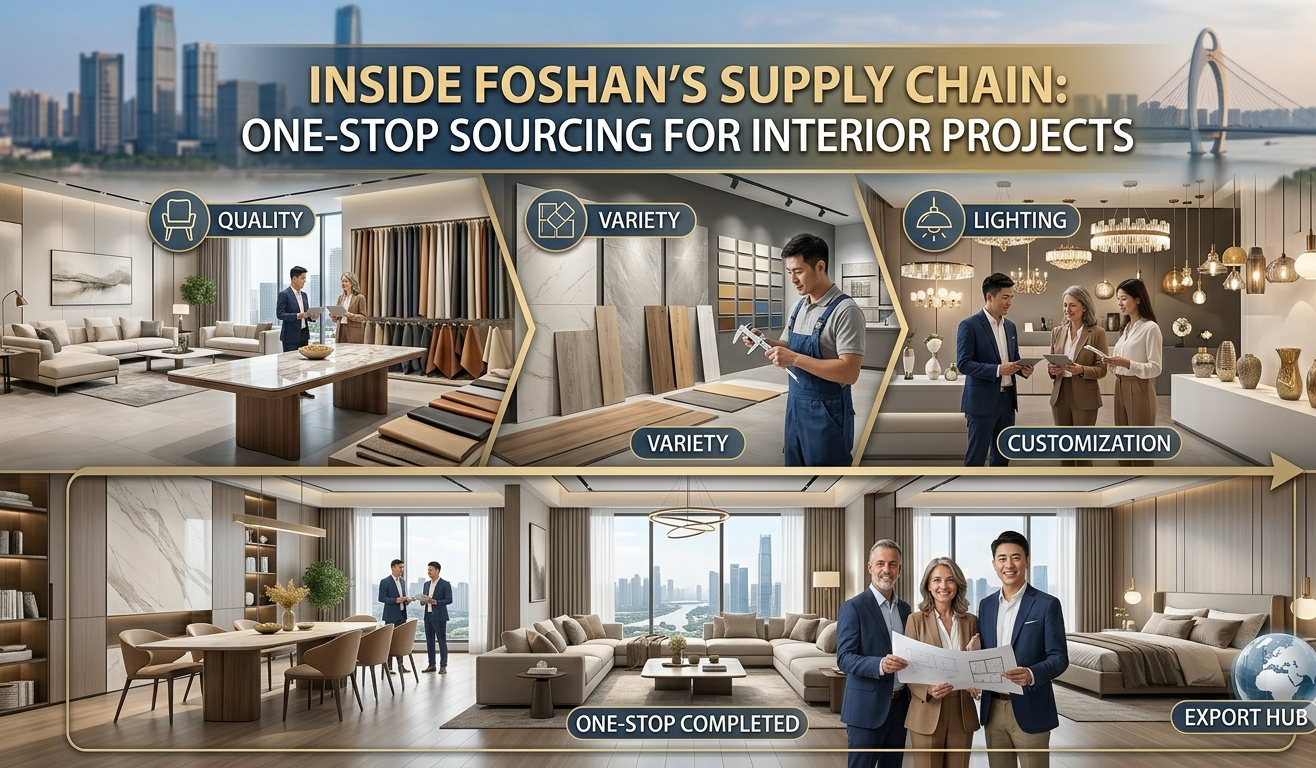
Foshan is not just a city; it is a hyper-efficient supply chain engine. By concentrating the production of furniture, ceramics, and cabinetry within a single 50-kilometer radius, Foshan allows project buyers to manage complex interior fit-outs with a level of coordination that is impossible when suppliers are scattered across different provinces.
Here is an inside look at how the Foshan supply chain actually functions for international interior project
How do localized industrial clusters create a “One-Stop” environment?
The strength of Foshan lies in its specialized townships. Unlike a general manufacturing zone, Foshan has subdivided the interior industry into micro-clusters:
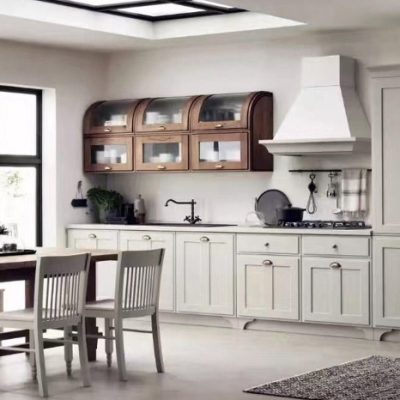
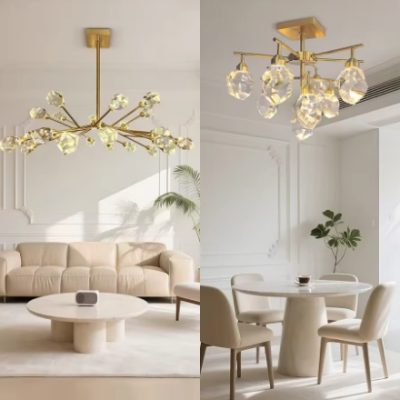
- Lecong & Shunde: These towns are the global nerve centers for furniture and custom millwork. From high-end upholstery to CNC-machined cabinetry, the sheer density of factories here creates a competitive environment that drives both innovation and pricing.
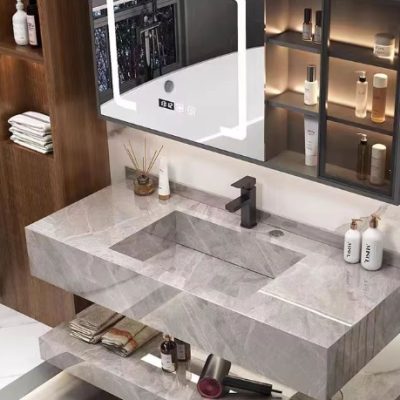
- Shiwan & Nanzhuang: This is the heart of China’s ceramics industry. If you are sourcing porcelain slabs, sintered stone, or sanitary ware, these clusters provide the raw materials that the cabinetry factories in Shunde use for their countertops.
Because these industries sit side-by-side, the “One-Stop” model isn’t about one factory doing everything—it’s about the seamless interface between specialized factories. A vanity manufacturer in Shunde can source a specific porcelain top from Shiwan and have it delivered for a fit-test in under an hour.
How does centralized sourcing solve the “Consistency Gap” in design?
The biggest risk in international procurement is when the “grey” of the floor tile doesn’t match the “grey” of the kitchen cabinet. When you source from different regions, you are essentially gambling on color science.
In the Foshan ecosystem, we utilize Master Sample Distribution. Because all your suppliers are local, we can physically take a control sample of your project’s primary wood veneer or metal finish and walk it into every factory involved in your order. We don’t rely on digital photos or Pantone codes; we rely on physical side-by-side comparisons under the same light. This is the only way to ensure that your loose furniture, fixed joinery, and building materials speak the same design language.
What is the logistical advantage of Foshan’s supply chain integration?
The most expensive thing you can ship from China is “air.” If you ship individual orders from separate provinces, you pay for multiple LCL (Less than Container Load) fees and inefficient packing.
Foshan’s supply chain integration allows for Strategic Consolidation:
- Warehouse Staging: Your tiles, toilets, and flooring (heavy goods) are delivered to a central Foshan warehouse first.
- Volumetric Layering: We use these heavy materials to create a “stable floor” in the container.
- Final Loading: We then pack the high-volume, lightweight items—like sofas, beds, and flat-packed cabinets—on top.
This process transforms your procurement from a series of disjointed shipments into a single, optimized “Interior Package,” often reducing total freight costs by up to 30%.
How do you manage the technical interface between different product categories?
A “One-Stop” project only works if the products actually fit together. The most critical part of the Foshan supply chain is the Technical Cross-Check.
For example, when we manage a hotel fit-out, we don’t just hope the faucets fit the sinks. We have the plumbing factory send physical units to the vanity factory. We have the stone supplier send the countertop templates to the cabinet maker. In Foshan, this “inter-factory” communication happens daily. By the time your container is loaded, every technical interface has been physically verified on the ground.
Key Takeaways
- Ecosystem over Factory: Understand that “One-Stop” in Foshan means a coordinated network of specialized factories, not a single “super-factory.”
- Physical Verification: Leverage the proximity of factories to perform physical color-matching and fit-tests before goods leave China.
- Logistical ROI: Consolidate heavy building materials with light FF&E in Foshan to maximize container utility and lower landed costs.
- Technical Integration: Use a local partner to manage the “gaps” between categories, ensuring hardware and plumbing are compatible across all suppliers.
FAQ: Inside the Sourcing Process
Q: Is it better to buy from a trading company or direct from multiple factories?
A: For a single-item purchase, direct-to-factory is fine. For an “Interior Project,” you need a partner who understands the supply chain. A specialized sourcing agent in Foshan provides the “glue” between factories—managing the CAD drawings, the finish matching, and the consolidated loading that a single factory cannot do.
Q: How do you handle quality control for such a diverse range of products?
A: We use category-specific QC checklists. For furniture, we check moisture content and upholstery seams; for cabinetry, we check CNC accuracy and edge-banding; for tiles, we check flatness and batch-coding. All these inspections happen at a central staging point before the container is sealed.
Q: Can Foshan factories handle small-scale custom residential projects?
A: Yes, but the value is highest when the project is at least a 20ft container’s worth of goods. For luxury villas or boutique hotels, the ability to customize every detail in Foshan provides a high-end finish that would be prohibitively expensive to produce locally in most Western countries.
Master the Foshan Supply Chain with HSY Sourcing
At HSY Sourcing, we don’t just find products; we manage the Foshan ecosystem for you. Based in the heart of the world’s most dense interior supply chain, we provide the technical oversight and logistical integration that turns a “One-Stop” concept into a successful project delivery.