
For international real estate developers, hospitality procurement executives, and general contractors, the cross-border supply chain directly impacts project profitability. Securing structural finishes, custom millwork, and contract-grade furniture from primary global manufacturing hubs is a proven method to manage capitalization costs. However, executing large-scale B2B procurement across multiple uncoordinated factory lines introduces substantial execution risks.
When a multi-family or hotel project package is split among isolated suppliers without a centralized ground representative, systemic inefficiencies accumulate. Fragmented architectural drawings lead to dimensional conflicts on-site, unaligned production schedules result in expensive port storage fees, and lack of technical factory enforcement causes product failure after installation.
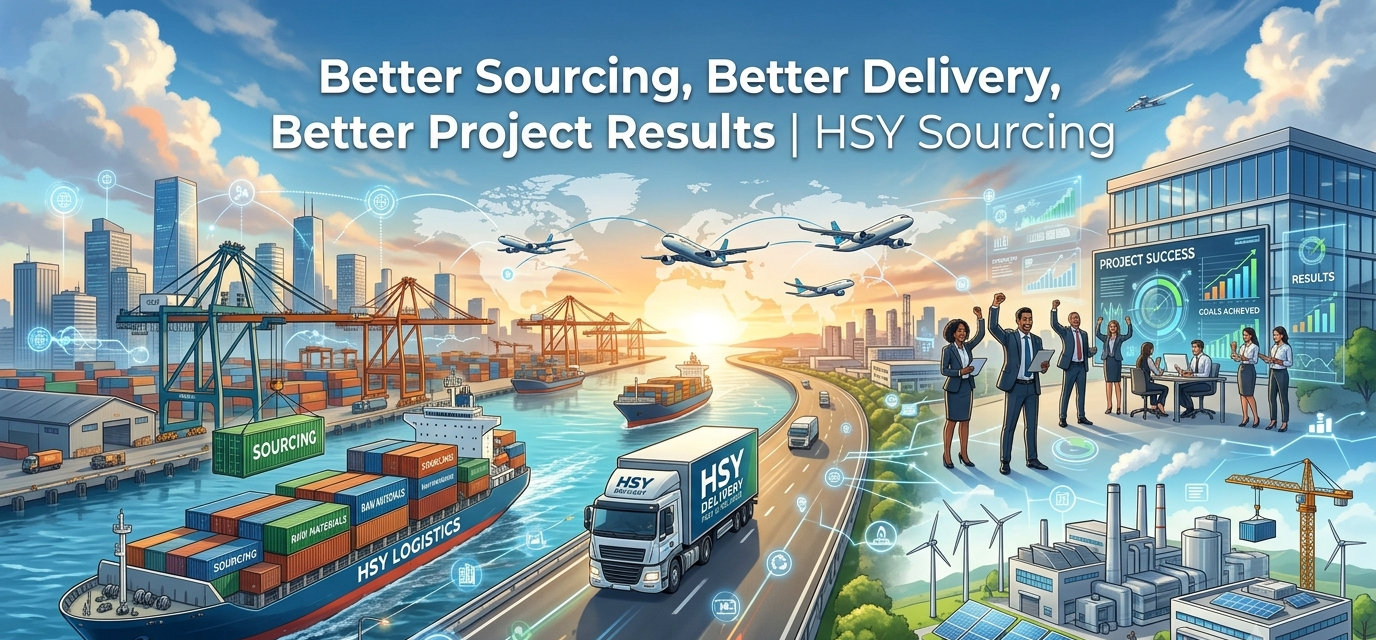
The baseline for institutional project success relies on a simple operational law: Better Sourcing (direct factory engineering) leads directly to Better Delivery (centralized physical consolidation), which ultimately secures Better Project Results (flawless on-site execution). Achieving this predictability requires a dedicated, on-the-ground technical anchor within China’s primary building materials cluster: Foshan.
Key Takeaways
- Sourcing Drives the Finish Line: Resolving architectural drawing errors, material substrate compliance, and interface tolerances at the factory floor eliminates expensive field remediation during construction.
- Consolidation Controls Landed Cost: Centralizing diverse multi-vendor production runs into a single local staging facility allows buyers to transition from high-premium LCL shipping to optimized FCL freight.
- Local Representation Mitigates Risk: Operating through an independent, on-the-ground agent ensures transparent B2B pricing, strict milestone quality gate enforcement, and enforceable contract accountability.
Why does fragmented procurement compromise institutional project results?
A typical commercial interior package—spanning large-format porcelain tiling, custom kitchen cabinetry, bathroom vanities, structural aluminum glazing, and loose contract FF&E—relies on completely separate industrial manufacturing sectors. When an overseas development firm manages these categories independently, it assumes the highly technical role of a supply chain integration engineer.
[Fragmented Path]  ──> Uncoordinated Factories ──> Drawing Disconnects ──> Site Rework & Cost Overruns
[Integrated Path]  ──> Centralized Tech Audit  ──> Warehouse Staging  ──> FCL Delivery & On-Time Fitting
Without a unified technical interface handling your complete project Bill of Quantities (BOQ), three specific risks emerge:
- Dimensional and Technical Disconnects: A cabinetry factory in Shunde may fabricate built-in wardrobes that conflict with electrical conduit routing or structural wall junctions engineered by a partition factory in Nanhai, simply because neither vendor reviewed the other’s active shop drawings.
- Unsynchronized Manufacturing Timelines: Fast-moving manufacturing lines (such as ceramics or glass extrusion) complete runs quickly, forcing those goods to sit in public warehouses accumulating storage charges while waiting weeks for complex custom millwork or lacquer furniture lines to finish production.
- Compounding Destination Surcharges: Shipping via public Less than Container Load (LCL) freight forces the importer to pay repeated local documentation fees, duplicate export custom entries, and premium destination strip-yard handling fees calculated on a per-CBM basis.
How does Foshan’s regional geography optimize international procurement?
A successful integration strategy relies on minimal physical distance between your project’s manufacturers and your central logistics team. Sourcing across widely separated Chinese provinces introduces high domestic trucking freight and dilutes quality control oversight.
Foshan represents a highly concentrated, closed-loop industrial ecosystem. Within a 50-kilometer industrial radius sits a global center of specialized building material and interior sectors:
- Chancheng and Nanzhuang: The global epicenter for vitrified porcelain tiles, large-format sintered slabs, and commercial sanitary ceramics.
- Shunde District (Lecong): The largest contract furniture, custom upholstery, and institutional millwork manufacturing hub in the world.
- Nanhai District (Dali): A major industrial cluster for structural aluminum extrusions, commercial architectural windows, and interior glass partitioning.
Because these distinct product ecosystems share physical borders, local transport costs are minimal. This geographical density allows an on-the-ground sourcing agent to execute real-time, in-line quality control across five separate factory floors in a single day, ensuring complete visibility over the entire project package.
What operational workflow ensures a seamless project delivery?
Moving a complex project package from an architectural blueprint to a loaded ocean container requires a disciplined, step-by-step technical execution framework that aligns factory outputs with your on-site construction timelines.
1.Technical BOQ Auditing and Cross-Drawing Alignment:Phase 1: Engineering.
We translate the project’s original architectural designs into manufacturing shop drawings. Our engineers map out plumbing paths, electrical sleeve routes, material densities, and hardware clearance tolerances to resolve hidden design conflicts before any deposits are released to the factories.
2.1:1 Physical Mockup and Substrate Compliance Gate:Phase 2: Validation.
The primary factories construct full-scale physical mockups of critical built-in units (such as a complete hotel guest room vanity configuration or a mock apartment kitchen). We test joint tolerances, verify color-batch consistency under calibrated lighting, and check raw wood core moisture content using pin meters.
3.In-Line Manufacturing Quality Control and Adhesive Monitoring:Phase 3: Production.
Our QC engineers carry out unannounced factory floor inspections during active mass production. We verify technical line execution—ensuring the application of PUR hot-melt edge-banding for wet zones, checking hardware stamp authenticity, and testing structural bonding.
4.Warehouse Staging, Weight-Volume Balancing, and Customs Declaration:Phase 4: Logistics.
Incoming goods are tracked at our central Foshan warehouse. We implement a density-stratified container loading strategy, anchoring heavy masonry flat across the container floor and layering flat-pack cabinetry or loose furniture on top. We then generate a single, consolidated export customs declaration.
Why Choose HSY Sourcing as Your Foshan Sourcing Partner?
Navigating thousands of contract manufacturers across the South China industrial zone requires deep technical competence, localized contract enforcement, and independent ground representation. HSY Sourcing operates strictly as your dedicated procurement, engineering, and logistics office in Foshan, engineered to protect the commercial interests of real estate developers.
- Independent, Direct B2B Representation: We operate completely free of factory alliances or hidden showroom commissions. Our transparent service structure gives you direct access to original factory-floor pricing with zero hidden markups.
- Cross-Category Technical Competence: Our engineering team understands how different building materials interface. We coordinate directly between your appliance suppliers, cabinetry factories, and stone fabricators to ensure all elements slot together perfectly on the job site.
- Milestone-Based Quality Enforcement: Our QC team conducts rigorous, physical testing at multiple production stages, including substrate moisture control (ensured between 8% and 12%), hardware mechanical cycle auditing, and precise color-batch matching against master control samples.
- Turnkey Warehouse Consolidation : Operating out of our central Foshan staging facility, we manage incoming factory deliveries, enforce rigid export-grade packaging standards (such as reinforced crating and corner protectors), and execute engineered mixed-loading plans to guarantee safe ocean transit.
Frequently Asked Questions (FAQ)
How does HSY Sourcing verify the structural authenticity of raw materials?
We do not rely on verbal factory guarantees or simple surface appraisals. Our QC engineers use field testing tools directly on the active production lines. We measure board density using electronic calipers, check internal timber core moisture content with calibrated pin meters to prevent post-installation warping, and use chemical testing to verify stainless steel grades and powder-coating thickness on architectural profiles.
How do you manage export customs clearance for a container holding products from multiple vendors?
Different manufacturers in China operate under different export tax and licensing structures. HSY Sourcing manages this complexity behind the scenes. We legally compile the individual factory packing lists, classify every item under its precise Harmonized System (HS) code, and generate a single, comprehensive export customs declaration pack that complies with international maritime shipping laws.
What happens if a shipment arrives at the Foshan warehouse with defects or wrong specifications?
If our warehouse check-in team discovers structural defects, incorrect dimensions, or finish variations at our receiving dock, we halt the intake process immediately. We document the non-compliance with high-resolution photos and video, file a formal claim against the manufacturer’s contract, and coordinate regional transport to return the defective batch for remanufacturing before the primary container loading date arrives.
How are fragile and heavyweight materials balanced within a single mixed container?
We enforce strict density-stratified loading rules at our local consolidation warehouse. Heavy, rigid materials like porcelain floor tiles or quartz slabs are palletized, blocked, and braced directly to the container floor using industrial timber and dunnage airbags to eliminate lateral shifting. Fragile items, such as tempered glass partitions or custom vanities, are packed in heavy-duty plywood crates and vertically lashed to structural tie-down points, while lightweight loose furniture is loaded onto the upper tiers.