

The short answer is yes—provided you specify exact material grades and inspect the production process locally.
Top-tier Chinese manufacturers produce architectural glazing, sintered stone, and bespoke millwork that match European luxury standards at a direct-factory cost basis. Many premium European and North American building material brands outsource white-label manufacturing to specialized factories in Guangdong.
However, the Chinese manufacturing ecosystem operates across a wide quality spectrum. The market contains everything from budget domestic-grade fabricators to tier-1 export facilities equipped with German CNC machinery, Italian presses, and international testing certifications (such as SGCC, NFRC, CE, and WaterMark).
For custom luxury villa developers, architects, and general contractors, importing building materials successfully requires moving past the broad label of “Made in China” and evaluating specific factory capabilities, technical parameters, and quality control (QC) protocols.
Foshan, Guangdong, is the global manufacturing hub for architectural materials. This guide breaks down the actual quality levels of Foshan-made products, how to audit factories effectively, and how to manage luxury procurement on the ground.
Key Takeaways
- Quality is Driven by Technical Specs, Not Location: High-end Chinese manufacturers utilize imported raw materials and processing equipment—such as German Homag CNC woodworking centers, Italian Sacmi 30,000-ton sintered stone presses, and AkzoNobel PVDF coatings. Quality depends on what you specify in the contract.
- China’s Manufacturing Is Divided Into Three Tiers: Tier-1 export factories specialize in high-spec, code-compliant custom orders. Tier-2 factories target mid-tier domestic projects. Tier-3 shops cut corners on profile wall thickness, alloy purity, and hardware.
- Third-Party Certifications Are Mandatory: For luxury residential builds in North America, Europe, or Australia, products must carry verified stamps: SGCC / ANSI Z97.1 for glass, NFRC for thermal performance, and AS/NZS or CE marks for structural load compliance.
- On-Ground Audits Prevent Spec Drift: The primary risk in importing custom building materials is not design capability, but undocumented raw material substitution during mass production. Physical pre-shipment inspections in Foshan eliminate this risk.
How Does Quality Vary Across Chinese Building Material Manufacturers?
Understanding the structure of China’s building supply market prevents costly sourcing errors. Factories in Foshan generally fall into three operational tiers:
+-----------------------------------------------------------------------------------+
|                        CHINA BUILDING MATERIAL FACTORY TIERS                      |
+-------------------+-----------------------------------+---------------------------+
| Tier Category     | Typical Equipment & Materials     | Target Market & Code Specs|
+-------------------+-----------------------------------+---------------------------+
| Tier 1: Export    | German CNCs, Italian Presses,     | Fully certified (SGCC,    |
| Specialized       | AkzoNobel PVDF, Siegenia Hardware | NFRC, CE, WaterMark, AS2047)|
+-------------------+-----------------------------------+---------------------------+
| Tier 2: Domestic  | Domestic CNCs, Local Powder Coat, | Meets Chinese GB Codes,   |
| High-End          | Premium Domestic Hardware (Kinlong)| Selective Export Testing  |
+-------------------+-----------------------------------+---------------------------+
| Tier 3: Budget    | Manual Tooling, Low-Grade Alloy,  | Uncertified, Low Price,   |
| Commercial        | Non-Thermal Recycled Extrusions   | High Failure Rate        |
+-------------------+-----------------------------------+---------------------------+
Tier-1 Export Facilities (Recommended for Luxury Villas)
These factories focus almost exclusively on overseas architectural projects.
- Tooling & Engineering: They operate automated 5-axis CNC machining centers, laser cutters, and automated double-glazing production lines.
- Material Sourcing: Profiles are extruded from primary 6063-T5 or T6 grade aluminum, glass is sourced from top float manufacturers (such as CSG or Xinyi), and hardware options include German brands (Siegenia, GU, HOPPE) alongside premium local brands (HOPO).
- Quality Standard: Products are built to pass overseas laboratory testing for water tightness, wind load resistance, and thermal insulation.
Tier-2 and Tier-3 Domestic Factories
Tier-2 plants produce good quality for standard residential buildings within Asia but may lack familiar international building code documentation. Tier-3 workshops focus purely on low cost; their profiles often use recycled aluminum scrap, thin anodized coatings that fade under UV exposure, and cheap unbranded hardware that fails within two years.
Which Architectural Materials from Foshan Consistently Meet Luxury Standards?
Foshan is recognized globally for specific architectural product categories where local supply chains offer exceptional customization capabilities.
+-----------------------------------------------------------------------------------+
|                  FOSHAN LUXURY ARCHITECTURAL MATERIAL ASSESSMENT                   |
+-----------------------+----------------------------------+------------------------+
| Material Category     | Technical Specification Benchmark| Global Competitiveness |
+-----------------------+----------------------------------+------------------------+
| Architectural Windows | 6063-T6 Aluminum, PA66 GF25      | Equal to German/Swiss  |
| & Sliding Glass Doors | Thermal Break, SGP Laminated     | luxury brands at       |
|                       | Glass, PVDF Fluorocarbon Coating | 40%–60% lower cost.    |
+-----------------------+----------------------------------+------------------------+
| Sintered Stone &      | Mohs Hardness 6-7, <0.05% Water  | Replaces Italian marble|
| Porcelain Slabs       | Absorption, Full-Body Veining,   | at superior durability |
|                       | 1600x3200mm Large Format Slabs   | and lower porosity.    |
+-----------------------+----------------------------------+------------------------+
| Bespoke Millwork &    | E0 / CARB P2 Plywood Core,       | Excellent custom fit;  |
| Integrated Cabinetry  | Blum / Salice Concealed Hinges,  | requires millwork CAD  |
|                       | Wood Veneer / Lacquer Finish     | detail reconciliation. |
+-----------------------+----------------------------------+------------------------+
| Custom Sanitaryware  | Solid Surface Resin Baths,       | Direct match to European|
| & Brassware           | PVD Coated Dezincification-      | designer fixtures when |
|                       | Resistant Brass, Sedal Cartridges| specifying PVD finishes.|
+-----------------------+----------------------------------+------------------------+
1. Minimalist Architectural Joinery (Windows & Doors)
Foshan factories excel at narrow-frame sliding glass systems and high-load curtain walls. By utilizing multi-chamber PA66 GF25 polyamide thermal break strips and structural silicone glazing, local fabricators produce 12-foot-tall pocketing door systems capable of handling hurricane wind pressures while retaining sightlines down to 18 mm.
2. Sintered Stone (Porcelain Slabs)
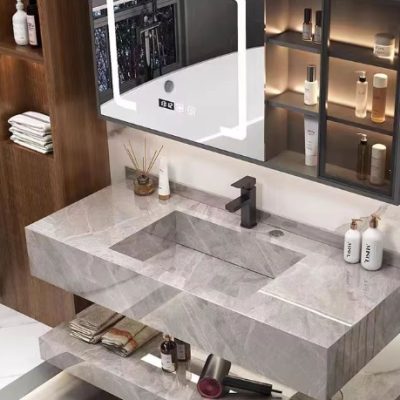
Modern Foshan ceramic manufacturers have invested heavily in ultra-large continuous pressing machinery. The resulting sintered stone slabs (up to 1600 × 3200 mm in 6 mm and 12 mm thicknesses) offer non-porous surfaces that are heat-resistant, scratch-resistant, and stain-proof—making them ideal for villa wall cladding, kitchen islands, and bathroom vanity tops.
3. Whole-House Custom Millwork
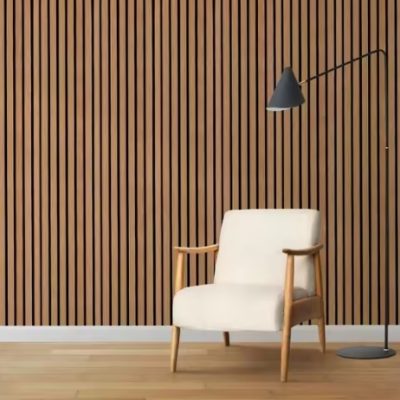
Custom cabinetry, wall panelling, and interior doors produced in Shunde (Foshan) allow complete material integration across an entire villa project. By specifying marine-grade exterior plywood, E0/CARB P2 low-emission cores, natural wood veneers, and premium hardware (such as Blum or Salice), developers achieve custom millwork finishes comparable to Italian luxury joinery houses.
How Do You Verify Building Code Compliance Before Production Begins?
Ordering custom architectural products overseas without physical testing verification introduces compliance risks at jobsite inspection.
+-----------------------------------------------------------------------------------+
|                       MANDATORY CERTIFICATION VERIFICATION                        |
|                                                                                   |
|  [Glass Safety Standards]  ──> Verify SGCC / ANSI Z97.1 Stamp etched on glass   |
|  [Thermal Insulation]      ──> Verify NFRC Test Reports (U-Factor ≤ 0.26)        |
|  [Structural Performance]  ──> Verify ASTM E330 Wind Load Deflection Ratings     |
|  [Plumbing & Health]       ──> Verify cUPC / NSF 61 Certification for Brassware  |
+-----------------------------------------------------------------------------------+
To ensure imported materials clear local building departments smoothly:
- Require Permanent Glass Markings: Tempered and laminated glass units must feature a permanent logo etched into the corner showing SGCC (Safety Glazing Certification Council) certification for US projects, or CE / AS/NZS 2208 stamps for Europe and Australia.
- Review Independent Laboratory Test Reports: Do not rely on factory-provided summary sheets. Request complete third-party test reports from recognized testing agencies (such as Intertek, SGS, or TÜV) showing actual U-Factors, Solar Heat Gain Coefficients (SHGC), and Sound Transmission Class (STC) ratings.
- Audit Alloy & Coating Specifications: Ensure aluminum profiles specify 6063-T5/T6 alloy with a minimum wall thickness of 2.0 mm to 3.0 mm for structural sliding doors. Powder coatings should be specified as AkzoNobel or PPG PVDF (fluorocarbon) finishes to guarantee 10- to 20-year color fastness against intense sunlight and salt air.
What Are the Real Risks of Sourcing from China, and How Are They Prevented?
Importers who experience quality failures usually fall victim to a few common process breakdowns:
Risk 1: “Sample vs. Production” Discrepancies
- The Issue: A factory provides a perfect hand-sample, but the final multi-container shipment displays uneven powder coating, loose frame corner crimps, or mismatched veneer shades.
- The Solution: Require an approved Pre-Production Sample (PPS) or a fully assembled mock-up unit at the factory. Contract terms must state that final mass production must match the approved mock-up exactly.
Risk 2: Dimensional Errors Between US & Metric Standards
- The Issue: Architectural plans drafted in feet and fractional inches are misinterpreted during metric conversion by factory CAD technicians, leading to incorrect frame setbacks or rough opening (R.O.) deductions.
- The Solution: Conduct a Technical CAD Blueprint Reconciliation. Every shop drawing must be checked by an experienced bilingual engineer who verifies frame deductions, structural anchor points, and sub-floor drainage depths before metal extrusions are cut.
Risk 3: Transit Damage During Ocean Shipping
- The Issue: Large glass panels or heavy stone slabs crack due to improper crating or loose container loading.
- The Solution: Mandate fumigated solid plywood A-frame skids with rubber edge protection for all glass and stone products. Containers must be braced internally using heavy-duty ratchet lashing and industrial inflatable dunnage air bags.
Why Choose HSY Sourcing as Your Procurement Partner in Foshan?
Navigating factory selection, engineering drawing reviews, quality control, and export staging requires an experienced team on the ground. HSY Sourcing serves as your dedicated procurement, engineering, and quality management team in Foshan.
- Local Foshan Expertise: We operate directly out of Foshan. Our team maintains daily relationships with verified tier-1 export manufacturers across Nanhai, Shunde, and Chancellor districts.
- Technical Blueprint Audit: We bridge the gap between architectural intent and factory execution. We review architectural plans, convert imperial measurements to metric shop drawings, and verify that structural loads, wall thicknesses, and drainage mechanisms match project specifications.
- Strict On-Site Quality Control: We conduct multi-stage physical inspections at the factory:
- Raw Material Checks: Caliper testing of aluminum profile wall thickness and alloy verification.
- Assembly Audits: Checking corner crimping tightness, EPDM rubber seal installation, and hardware operation.
- Pre-Shipment Inspections: Verifying glass SGCC logos, finish uniformity, and dimensions against signed shop drawings.
- Supervised Staging & Container Loading: We receive goods at our dedicated staging warehouse in Foshan, inspect all wooden A-frame packaging for export compliance, and supervise container loading to ensure proper weight distribution and ocean-transit bracing.
- Transparent Agency Model: We work strictly on a flat, transparent service fee. We do not accept hidden factory commissions or inflate material quotes, ensuring you receive true direct-factory pricing.
Frequently Asked Questions (FAQ)
Are Chinese building materials really 40% to 60% cheaper than Western brands?
Yes. Direct factory production costs in Foshan are significantly lower due to integrated supply chains, local raw material processing, and localized industrial scale. Even after adding 40-foot container ocean freight, A-frame export crating, import duties, and local port handling, overall project savings for luxury villa packages typically remain between 35% and 50%.
How do we handle warranties on custom materials imported from China?
Reliable tier-1 factories provide 5 to 10-year warranties on aluminum profile structures and glass seals, and up to 20 years on PVDF finishes. HSY Sourcing ensures that critical spare parts (such as extra hardware sets, tandem rollers, gaskets, and touch-up coatings) are bundled into the initial container shipment. If a defect occurs, we manage replacement fabrication directly with the factory in Foshan.
Can we source an entire luxury villa package through a single agent in Foshan?
Yes. Foshan’s unique advantage is its complete architectural ecosystem. Within a 30-minute radius, you can procure custom aluminum doors and windows, sintered stone wall cladding, continuous porcelain tile, custom kitchen cabinets, vanities, and sanitaryware. HSY Sourcing consolidates these diverse categories into unified production schedules, quality control inspections, and container shipping loads.
What is the typical lead time for custom luxury villa orders from Foshan?
The complete procurement cycle generally takes 12 to 16 weeks:
- CAD Shop Drawing & Material Sample Sign-off: 2 to 3 weeks.
- Factory Fabrication & Dry-Fit Quality Audit: 5 to 7 weeks.
- Ocean Transport & Customs Clearance: 4 to 5 weeks.
- Inland Delivery to Jobsite: 3 to 5 days.