
Key Takeaways:
- Quality control is a preventative process, not just a final check; early intervention saves costs and prevents delays.
- Standardized AQL (Acceptable Quality Limit) levels are the only objective way to settle quality disputes with factories.
- Third-party inspections provide an unbiased “eye” on the ground to prevent factories from hiding production errors.
- Using an agent in the local industrial hub (like Foshan for building materials) ensures faster response times and deeper technical expertise.
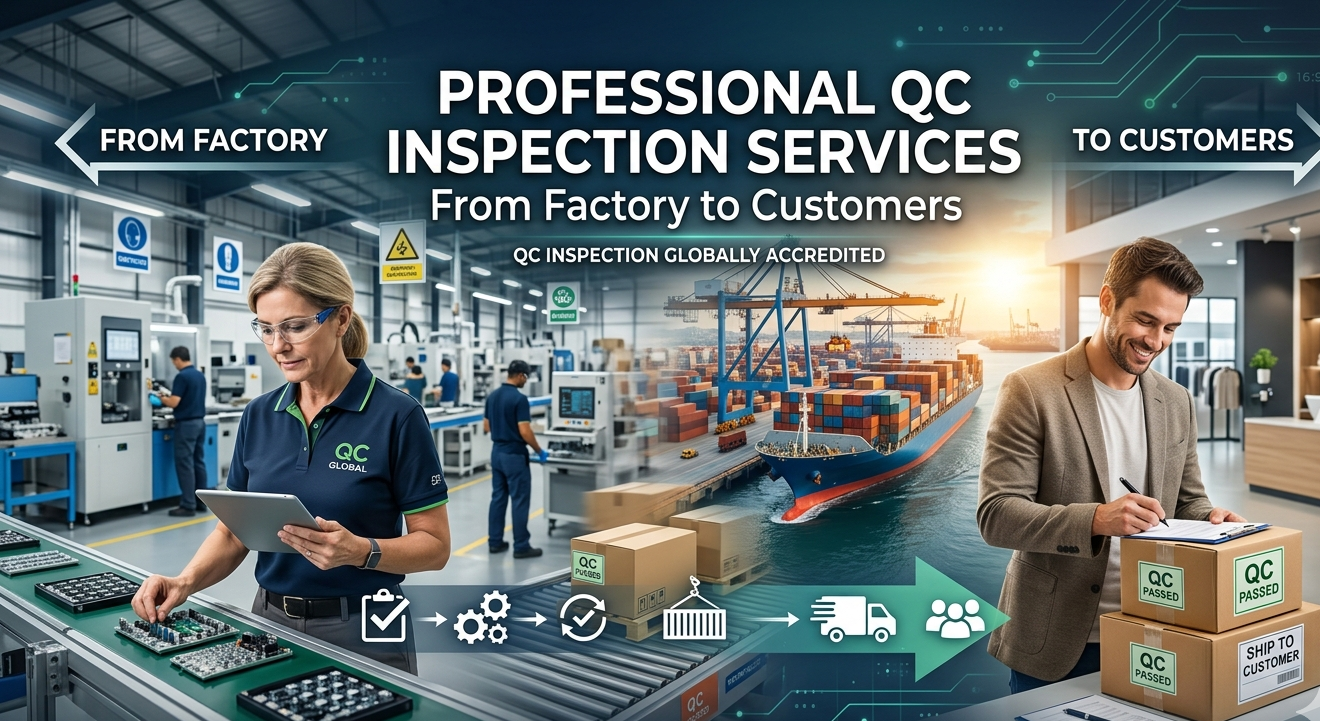
When sourcing from China, the distance between the factory floor and your warehouse is more than just geographical—it is a risk gap. Relying solely on a factory’s internal QC is often insufficient, as their priority is meeting production quotas rather than your specific quality standards.
Professional Quality Control (QC) is not a luxury; it is a systematic requirement to ensure that what you pay for is exactly what arrives at your door.
Why is Early Intervention Better Than Final Inspection?
Many buyers make the mistake of only inspecting goods when they are finished and packed. While this is better than no inspection, it is often too late to fix systemic issues without causing massive delays.
A logical QC strategy involves:
- During Production (DUPRO) Inspection: Conducted when 20% of the order is completed. If the color of the tiles is off or the window frame dimensions are incorrect, the factory can adjust the machines immediately.
- The Cost of Delay: Fixing an error during production costs pennies; fixing it after 1,000 units are packed usually results in weeks of rework and missed shipping deadlines.
How Do You Define “Quality” Objectively Using AQL?
In manufacturing, “quality” can be subjective unless defined by data. Professional QC agents use AQL (Acceptable Quality Limit) standards, which provide a statistical blueprint for inspection.
- Critical Defects: Items that are unsafe or fail to meet mandatory regulations.
- Major Defects: Issues that make the product unsellable or non-functional.
- Minor Defects: Aesthetic imperfections that do not affect function but deviate from the sample.
By setting these limits in your contract, you remove the guesswork. If the number of defects exceeds the AQL threshold, the batch is officially “Failed,” and the factory is contractually obligated to rework the goods at their own expense.
What Does a Professional QC Report Actually Tell You?
A professional inspection report is a data-driven document, not a collection of random photos. A high-quality report from a China sourcing agent should include:
- Quantity Verification: Ensuring the factory didn’t “short-ship” you.
- Visual Inspection: High-resolution photos of workmanship, finish, and aesthetics.
- On-site Functional Testing: For example, checking the water-tightness of windows, the load-bearing capacity of furniture, or the voltage stability of lighting.
- Packaging & Labeling: Verifying that shipping marks, barcodes, and protective padding meet international logistics standards to prevent transit damage.
How Can Localized Inspections Reduce Your Sourcing Risk?
China’s manufacturing is clustered. Sourcing building materials or furniture from Foshan requires a team that is physically present in the Foshan industrial zone.
Local inspectors can perform “surprise” factory visits, which are far more effective than scheduled ones. Furthermore, being local means they understand the specific regional production nuances—such as the typical moisture content allowed in Foshan-made timber or the specific kiln standards for local ceramic production.
Why Choose HSY Sourcing for Your Quality Control?
At HSY Sourcing, we act as your eyes and ears on the factory floor. We specialize in serving B2B clients and project buyers who cannot afford a single error in their bulk orders.
- Foshan Expertise: Based in the heart of China’s building materials hub, our team has deep technical knowledge of tiles, windows, doors, and furniture. We don’t just “look” at products; we understand how they are built.
- Unbiased Reporting: We are 100% independent. We refuse factory commissions, ensuring our loyalty remains strictly with you, the buyer.
- Technical Literacy: Our team can read complex CAD drawings and technical specifications, ensuring that custom-made project materials are manufactured to your exact engineering tolerances.
- Accountability: We manage the entire loop. If a batch fails, we negotiate the rework with the factory and perform the re-inspection, ensuring the problem is solved before the balance payment is made.
Protect your investment and your reputation. Visit www.hsysourcing.com to learn more about our on-site inspection protocols.
Frequently Asked Questions (FAQ)
Q: Can I skip inspection if the factory provides their own QC report?
A: We strongly advise against this. A factory’s internal report is often biased toward moving inventory. A third-party inspection is the only way to get an objective, honest assessment of the goods.
Q: What happens if the goods fail the inspection?
A: We issue a “Failed” report. The factory must then sort through the stock, fix the defects, and call for a re-inspection. According to standard trade logic, the factory should bear the cost of any second or third inspections caused by their own quality failures.
Q: Is QC necessary for repeat orders from the same factory?
A: Yes. “Quality fade” is a common issue where factories gradually use cheaper materials or lower their standards over time to increase their margins. Regular inspections ensure that the quality of the 10th order is as good as the 1st.