
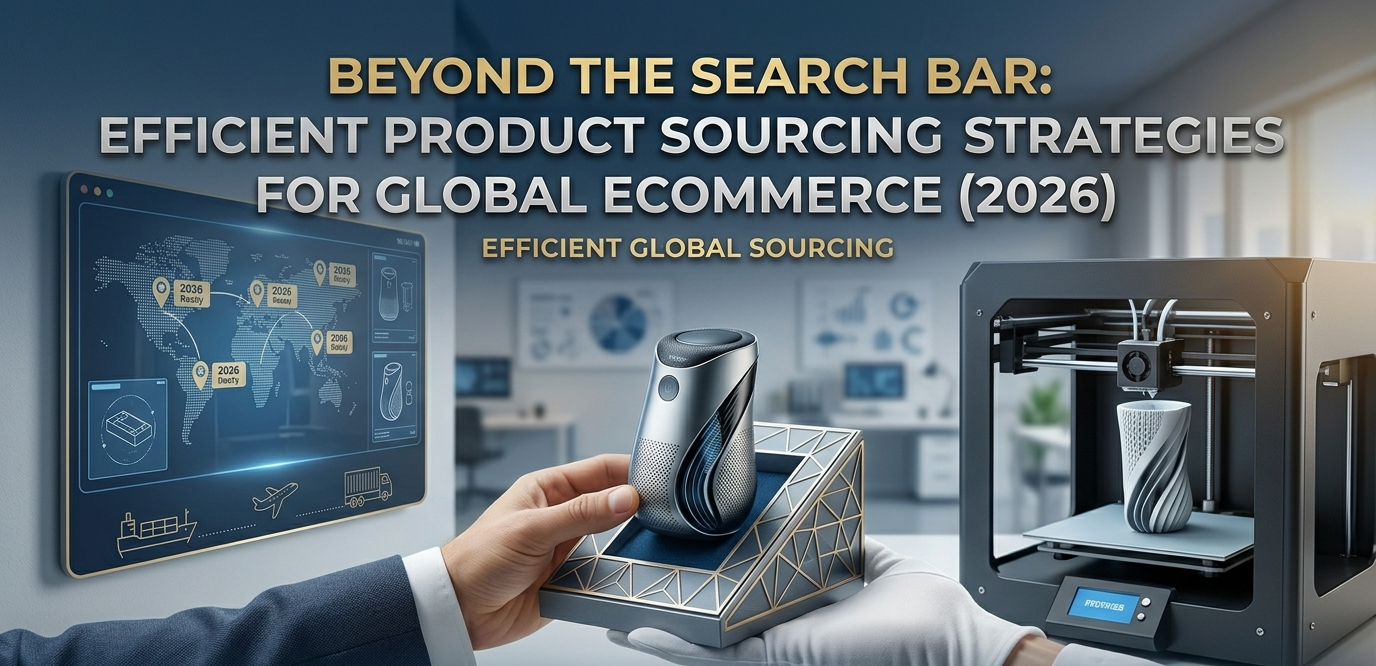
Why is sourcing the “make or break” factor for modern ecommerce?
In the world of global ecommerce, sourcing isn’t just about finding a product—it’s about speed-to-market. If your competitor launches a trending item two weeks before you because their sourcing is more efficient, you’ve already lost the prime sales window. Efficiency in sourcing directly impacts your cash flow, your customer reviews, and your ability to scale without falling into the “quality trap.”
How can you identify the most efficient sourcing model for your brand?
The “best” model depends on your scale.
- For Startups: Platforms like Alibaba or Global Sources are great for discovery, but they require heavy lifting in terms of vetting.
- For Scaling Brands: Moving to a Direct-to-Factory model or partnering with a Local Sourcing Team is the only way to maintain efficiency. By cutting out the “middleman” traders and working with specialized manufacturers, you regain control over your lead times and product customization.
What are the biggest bottlenecks in global supply chains today?
The two most common efficiency killers are Communication Gaps and Hidden Quality Defects. When a factory in China misunderstands a technical specification, it can take weeks of back-and-forth emails to fix. Even worse, if a defect is discovered after the goods have arrived at your 3PL or Amazon FBA warehouse, the cost of return logistics can wipe out your entire annual profit.
How does a local project management team optimize your sourcing?
Efficiency is gained when you have “eyes on the ground.” A local team can perform In-Line Inspections—catching a mistake while the product is still on the assembly line. This prevents the “stop-and-restart” delays that plague international buyers. Furthermore, a local team can negotiate better MOQs (Minimum Order Quantities) and payment terms because they speak the language of the factory owners, not just the sales agents.
Key Takeaways
- Speed is Currency: Efficient sourcing is about reducing the time between a “trend” and a “shipped order.”
- Quality at the Source: Never ship a product that hasn’t been inspected on-site. The cost of a QC visit is a fraction of the cost of a refund.
- Consolidate for Efficiency: If you sell multiple SKUs, consolidate them in a local hub before shipping to reduce your “landed cost” and shipping complexity.
- Data-Driven Vetting: Don’t choose a supplier based on a beautiful website. Choose them based on their production capacity and historical compliance.
FAQ: Scaling Your Ecommerce Sourcing
Q: How do I handle high MOQs as a small ecommerce brand?
A: Look for “Ready-to-Ship” (RTS) suppliers for testing phases, or work with a sourcing agent who can negotiate “Trial Orders” by leveraging their existing relationship with the factory.
Q: Is it better to source from one large factory or multiple small ones?
A: For efficiency and risk management, “Diversified Sourcing” is best. If one factory faces a power outage or labor shortage, your entire business doesn’t grind to a halt.
Q: How can I protect my brand’s intellectual property (IP) when sourcing?
A: Always use an NNN Agreement (Non-use, Non-disclosure, Non-circumvention) that is enforceable under the laws of the country where the factory is located.
Meet the HSY Sourcing Team: Your Global Growth Partner
Efficiency isn’t a buzzword at HSY Sourcing; it’s our operating system.
We understand that for global ecommerce brands, every day of delay is a day of lost revenue. We act as your local project management office, ensuring that your supply chain is a competitive advantage rather than a logistical headache.
- Agile Sourcing: We find the right-fit manufacturers that can handle the fast-paced demands of modern ecommerce.
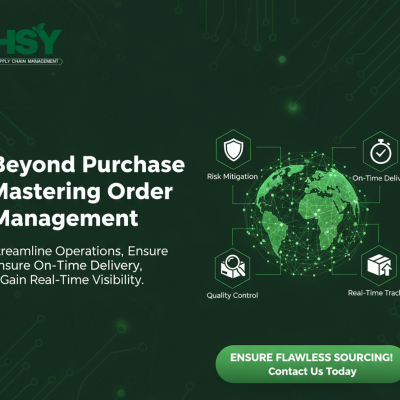
- Real-Time QC: We catch mistakes before they leave the factory floor, ensuring your Amazon or Shopify store maintains a 5-star reputation.
- End-to-End Coordination: From the first sample to the final container loading, we manage the chaos so you can focus on marketing and growth.