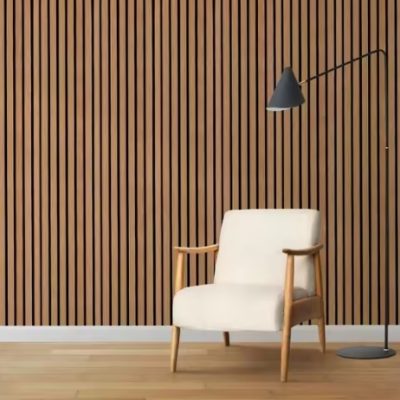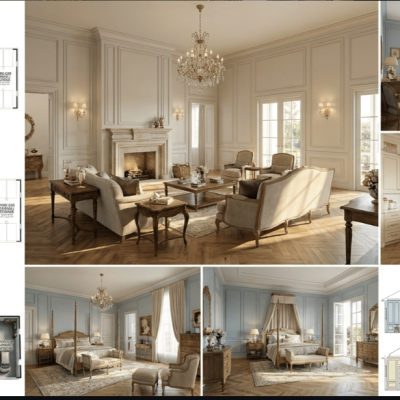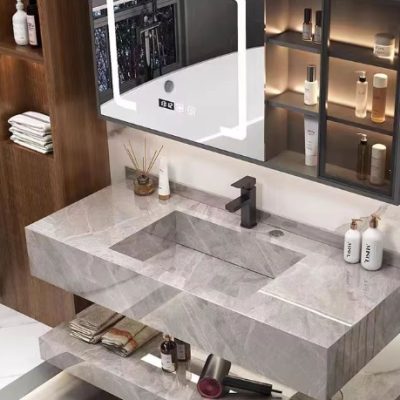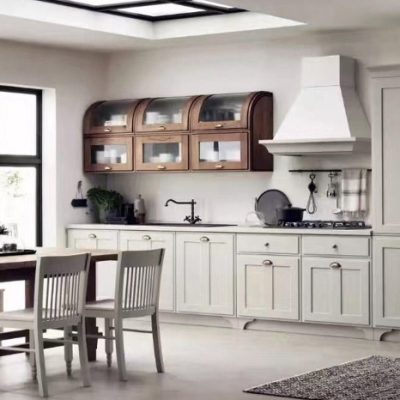

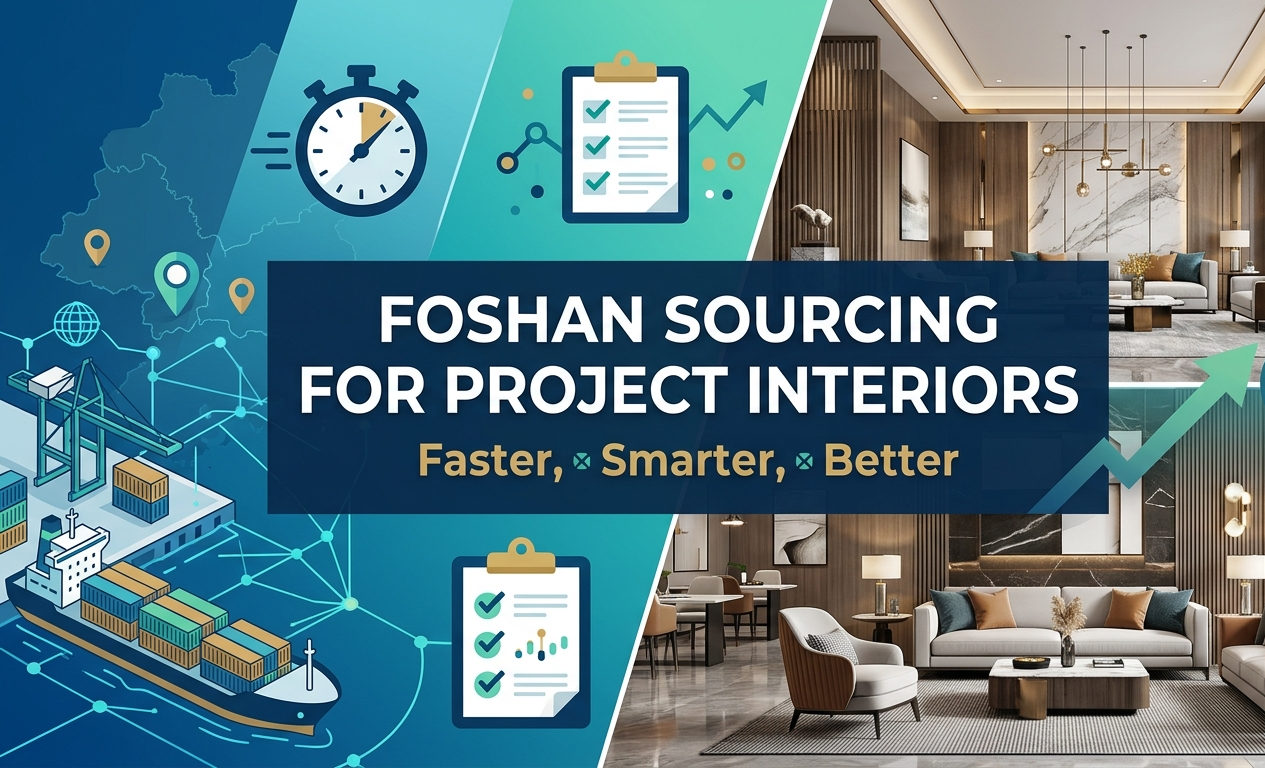
Executing the interior fit-out for a commercial real estate project—whether a 200-room hotel, a multi-family apartment complex, or a luxury villa development—requires managing a highly complex Bill of Quantities (BOQ). Sourcing structural aluminum, porcelain tiles, custom millwork, and contract furniture from geographically isolated factories introduces severe logistical friction. Timelines desynchronize, domestic freight costs multiply, and cross-category assembly errors become inevitable.
For institutional buyers, efficient procurement means centralizing the supply chain. Foshan, located in the heart of China’s Pearl River Delta, operates as a hyper-integrated hub for interior building materials. Leveraging Foshan’s geographic density allows developers to execute a “one-stop” procurement strategy that is operationally faster, logistically smarter, and structurally better for the project’s bottom line.
Key Takeaways
- Faster Execution: Procuring all interior categories within a 50-kilometer radius eliminates long-distance domestic freight delays and accelerates prototype approvals.
- Smarter Logistics: Consolidating heavy building materials with lightweight volumetric furniture in a single Foshan warehouse maximizes container payload, driving down ocean freight costs.
- Better Quality Control: A localized supply chain allows independent sourcing teams to physically cross-check hardware finishes, dimensions, and plumbing threads between different factories before export.
Why does geographic concentration make project sourcing faster?
In a fragmented supply chain, a developer might source aluminum windows from the north, ceramic tiles from the east, and furniture from the south. Simply coordinating the domestic transit for these components to reach a single departure port can add weeks to a project timeline.
Foshan eliminates this geographic drag. It is an industrial ecosystem where entire districts are dedicated to specific construction categories:
- Chancheng (Shiwan): The global center for commercial-grade porcelain tiles, sintered stone, and sanitary ware.
- Nanhai (Dali): A massive cluster for aluminum extrusions, curtain walls, and custom commercial doors.
- Shunde (Lecong & Leliu): The world’s largest manufacturing zone for contract furniture, cabinetry, and hospitality FF&E.
Because the raw material suppliers, assembly plants, and surface-finishing workshops are neighbors, production cycles are highly compressed. If a project requires a modified custom door profile, the factory can source the extrusion, cut the sample, and have it ready for physical inspection in days rather than weeks.
How can smart consolidation reduce total landed costs?
The largest hidden cost in offshore procurement is paying for empty container space. Ocean freight is billed by the container, not by weight.
Interior project materials have conflicting logistical profiles. Porcelain tiles and bathroom fixtures are incredibly dense; a container will hit its maximum weight limit while still half empty. Conversely, items like sofas, custom wardrobes, and decorative lighting are volumetric; they consume massive amounts of space but carry little weight.
Sourcing everything from Foshan allows for an engineered mixed-container strategy. Heavy ceramics and stone are loaded securely at the base of the container, while lightweight, bulky furniture is stacked above. This smart consolidation ensures you utilize 100% of the container’s weight and volume capacity, drastically reducing the landed shipping cost per unit.
What are the quality control benefits of a localized supply chain?
Digital catalogs cannot guarantee cross-category compatibility. In commercial developments, products from different factories must interface perfectly on-site.
If a bathroom vanity is produced in one province and the brass plumbing fixtures in another, any millimeter deviation in the pre-drilled countertop holes will stall the installation. A localized supply chain allows a Foshan-based procurement team to physically transport components between factories.
Inspectors can verify that the mortise cutouts on custom wooden doors match the smart locks produced by the hardware factory. They can take a physical control sample of a specific brushed-gold PVD finish and ensure the lighting manufacturer, the door hardware factory, and the sanitary ware plant all match the exact same color temperature before mass production is authorized.
Why is a one-stop approach better for complex commercial developments?
Fragmented sourcing creates a vacuum of accountability. When a timeline slips or a mixed-material component fails, isolated factories often blame one another. The buyer is left attempting to mediate disputes across different time zones.
A one-stop Foshan sourcing strategy centralizes accountability. By utilizing a single local procurement office to manage the entire BOQ, developers streamline communication. Production timelines are reverse-engineered so that custom millwork, which may take 45 days, and standard flooring, which may take 15 days, are completed simultaneously. This synchronization prevents early shipments from racking up storage fees while waiting for delayed components to arrive at the port.
Why choose HSY Sourcing as your Foshan procurement partner?
Navigating thousands of specialized factories across Foshan requires technical competence and independent on-the-ground representation. HSY Sourcing operates exclusively as your dedicated purchasing department in China, engineered to protect commercial real estate buyers.
- Comprehensive BOQ Management: We review your architectural drawings and BOQ, auditing technical specifications, fire-retardant requirements, and localized building code certifications before placing orders.
- Direct Manufacturer Access: We bypass speculative brokers and connect your project directly with tier-one OEM factories scaled for apartment, villa, and hotel volumes.
- Rigorous In-Line Inspection: We do not rely on post-production photos. Our team conducts physical inspections during raw material intake, mid-assembly, and final packaging across every participating factory in Foshan.
- Turnkey Logistics: Operating out of our local consolidation warehouse, we receive, inspect, and engineer the loading sequence for your mixed-category containers, optimizing freight efficiency and minimizing transit damage.
Frequently Asked Questions (FAQ)
Can Foshan factories accommodate custom interior designs for boutique projects?
Yes. Foshan’s infrastructure is built for scale, but it is highly adaptable. For projects meeting minimum volume thresholds (typically equivalent to a boutique hotel or multi-unit villa development), factories will open custom molds for aluminum profiles, custom-match wood veneers, and engineer bespoke furniture based entirely on your interior designer’s shop drawings.
How do you ensure building materials meet our local compliance standards?
During the initial quotation phase, we mandate that factories provide third-party laboratory testing data (such as SGS or Intertek) verifying compliance with your regional codes. Whether you require CUPC/WaterMark certification for plumbing, ASTM E84 fire ratings for wall panels, or CARB Phase 2 compliance for cabinetry, we source specifically from export-oriented factories that hold these valid credentials.
What is the typical lead time for a complete one-stop interior package?
Timeline synchronization depends on the most complex item in your BOQ—usually custom millwork, cabinetry, or bespoke upholstery, which typically requires 35 to 45 days. We stagger the production of faster items (like standard tiles or lighting) so all categories arrive at our Foshan consolidation warehouse within the same one-week window, ready for immediate loading.
Is it safe to load fragile items like glass and tiles with heavy furniture?
Yes, provided it is engineered correctly. We strictly enforce export packaging standards. Heavy items like tiles are palletized in fumigated wood and loaded flat on the container floor. Fragile items like mirrors or shower glass are crated. Lightweight goods are loaded above, using structural blocking and bracing techniques to ensure load stability during ocean transit.