

Many private villa owners approach stone selection the way they would buy artwork: they visit a showroom or browse supplier catalogs, spot a striking slab with bold veining, and reserve it immediately. Problems rarely appear at that stage. They appear months later during installation, when a dramatic marble fireplace clashes with warm oak wall paneling, when cool grey floor tiles turn flat under 2700K evening lighting, or when the supplier cannot source enough matching slabs to finish the main corridor.
Selecting luxury stone for villa design requires treating natural stone as part of the building’s wider material system rather than an isolated decorative surface. When architectural drawings, 3D renders, and Bills of Quantities (BOQ) are already underway, the objective is no longer finding the rarest slab on the market. The objective is locking in a stone package that aligns with the architecture, works alongside wood, metal, and lighting, and can actually be sourced and fabricated within project timelines.
Effective luxury villa stone selection follows a clear sequence:
Architecture → Design Style → Material Palette → Stone Roles → Actual Slab Selection → Cutting/Layout → Procurement
Skipping straight from 3D renders to slab purchasing almost always leads to visual disconnection or costly mid-project substitutions.
Establish a Material Hierarchy Instead of Using Expensive Stone Everywhere
A common misconception in high-end residential construction is that every room needs a showpiece stone. In practice, placing heavily veined marble on the living room floor, adjacent feature walls, staircase risers, and dining room surfaces creates visual noise. The eye has nowhere to rest, and the individual beauty of each slab cancels out the others.
Well-resolved villa interiors rely on a three-tier material hierarchy that assigns each stone a specific architectural job.
1. Foundation Stone
Foundation stone anchors large, visually connected spaces. Its job is spatial continuity—linking rooms together without competing against furniture, artwork, or architectural joinery.
- Typical applications: Main ground-floor paving, entrance foyers, hallways, open-plan living and dining floors, and main stair treads.
- Selection characteristics: Consistent background tone, controlled mineral variation, and calm movement. Because foundation stone often covers hundreds of square meters, batch consistency and high slab availability are critical.
2. Secondary Stone
Secondary stone introduces texture, tonal depth, or subtle contrast in enclosed or semi-private zones while staying anchored to the foundation palette.
- Typical applications: Guest bathrooms, powder rooms, vanity countertops, dressing rooms, and secondary bedroom walls.
- Selection characteristics: Slightly stronger veining, deeper color saturation, or a different surface finish (such as honed or leathered textures) that complements the main floor without requiring dozens of identical blocks.
3. Statement Stone
Statement stone serves as an architectural focal point where room proportions, ceiling height, and sightlines justify high visual drama.
- Typical applications: Double-height living room feature walls, formal entrance backdrops, fireplace surrounds, master bathroom wet walls, bar counters, and cantilevered staircase volumes.
- Selection characteristics: Bold veining, rare coloration, translucency, or bookmatched compositions. Dramatic stone carries far more visual weight when deployed selectively in one or two deliberate locations rather than repeated throughout the house.
Coordinate Stone with the Villa’s Architectural Direction
Design styles should never be reduced to rigid formulas—there is no rule stating that a modern house must use white marble or a classic house must use beige stone. Different stones can work across multiple architectural languages depending on cut, finish, and proportion. However, each design direction places specific demands on how stone behaves visually.
Contemporary and Minimalist
Minimalist architecture relies on clean volumes, crisp shadow gaps, and uninterrupted planes. Stone in these spaces works best when it reinforces architectural geometry rather than overpowering it.
- Large-format slabs with restrained, linear veining preserve visual calm across expansive floors.
- Honed or matte finishes prevent harsh glare from floor-to-ceiling glazing.
- When a dramatic veined marble or quartzite is introduced, it is typically isolated to a single monolithic volume—such as a floating fireplace block or kitchen island—framed by quiet timber, glass, and blackened steel.
Modern Warm and Contemporary Organic
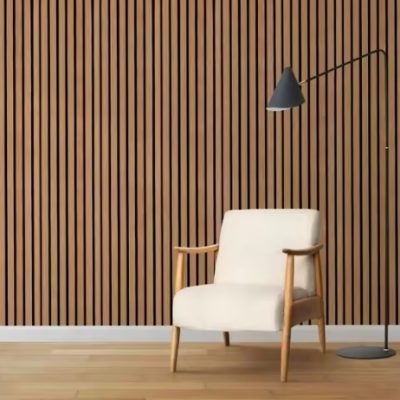
This direction balances clean lines with tactile, lived-in warmth. The primary risk here is pairing a cold, blue-grey stone with warm organic finishes, which makes the stone look clinical and disconnected.
- Warm cream, taupe, and soft beige stones with gentle, cloud-like movement integrate naturally with European oak, American walnut, and lime-washed plaster.
- Brushed bronze, aged brass, and warm 2700K–3000K architectural lighting bring out golden and earthy mineral tones.
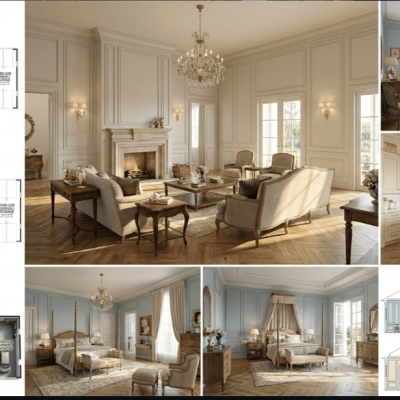
Classic and Transitional
Classic and transitional villas emphasize symmetry, architectural moldings, cased openings, and formal transitions between rooms.
- Stone must maintain strong visual continuity from the foyer through corridors, staircases, and fireplace mantels.
- Frequent stone changes at every doorway fragment the floor plan. Using one primary warm marble or limestone across connected circulation spaces—while varying inlay borders or finishes—creates cohesion between stone, detailed timber millwork, and decorative plaster.
Resort, Mediterranean, and Tropical
In coastal or tropical villas, interior spaces open directly onto terraces, courtyards, and pool decks. High-gloss polished marble often feels out of place—and becomes hazardous when wet—in indoor-outdoor architecture.
- Travertine, porous limestone, and textured natural stones with brushed, sandblasted, or bush-hammered finishes connect effortlessly with raw timber, woven fabrics, and surrounding stone landscaping.
- Quieter, earth-toned stones age gracefully under strong natural sunlight and bridge the threshold between covered living rooms and open-air terraces.
Ultra-Luxury Contemporary
High-impact contemporary villas often feature double-height salons, dramatic cantilevers, and bespoke entertainment bars designed around rare materials.
- Exotic quartzites, expressive marbles, and backlit onyx can anchor large-scale compositions or bookmatched walls.
- The stronger the statement stone, the quieter the surrounding palette must be. Surrounding walls, ceiling planes, and adjacent flooring should step back in texture and pattern so the primary stone composition remains legible.
Review Stone Alongside the Entire Material Palette
One of the most frequent mistakes during luxury villa material selection is approving stone samples in isolation on a desk. Natural stone never exists alone; its perceived color shifts dramatically depending on the materials touching it and the light hitting it.
Undertone Matters More Than Surface Color
Two slabs can both be described as “beige” or “white” yet behave completely differently on site because of their underlying mineral cast:
- A warm cream stone with a subtle pink or peach undertone will harmonize with walnut veneer and brushed bronze, but it can clash sharply beside cool grey-stained oak and matte black aluminum window frames.
- A crisp white marble with cool grey-blue veining looks clean under north-facing daylight, yet may appear flat or slightly green under warm evening LED downlights if not tested beforehand.
Physical Co-Evaluation Checklist
Before signing off on any stone specification, physical samples of the actual stone batch should be placed side by side with:
- Timber and veneer samples: Flooring planks, wall paneling, and custom joinery finishes.
- Kitchen cabinetry: Lacquer panels, stained wood fronts, and metallic trims.
- Metal hardware: Door handles, window profiles, lighting trims, and bathroom brassware (brushed brass, champagne bronze, gunmetal, stainless steel).
- Soft furnishings and textiles: Large-area rugs, upholstery fabrics, and drapery swatches that occupy the same visual field.
- Project lighting: Testing slabs under the exact color temperature (Kelvin) and CRI rating specified in the electrical schedule, comparing daylight exposure against nighttime artificial lighting.
How Stone Roles Shift Across Key Villa Spaces
Each room in a villa presents distinct viewing angles, lighting conditions, and functional demands.
Entrance Foyer
The entrance sets the material baseline for the entire residence. If a statement stone is used on the entry wall or as a central floor medallion, the surrounding field stone should immediately introduce the foundation palette that continues into the main living areas.
Living Room
Because sofas, coffee tables, rugs, and art already populate the room, the floor stone needs visual discipline. A busy floor competing with a heavily veined TV wall and patterned textiles quickly overwhelms the space. Keep the floor calm if the feature wall carries strong movement.
Double-Height Feature Wall
Double-height walls are among the few residential applications with enough vertical scale to showcase large-format bookmatching or bold diagonal veining. However, success depends on slab height and vein continuity across multiple courses—requiring careful dry-lay verification before cutting.
Kitchen
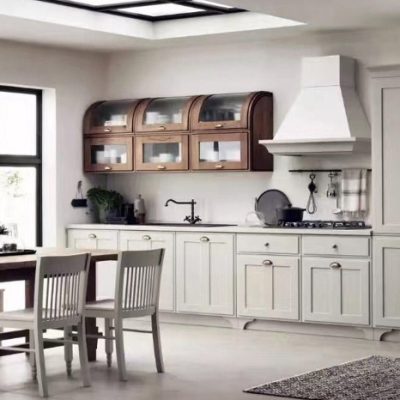
Kitchen stone must be evaluated alongside cabinet proportions, island length, backsplash height, integrated appliances, and hardware finishes. If an island exceeds standard slab lengths (typically 2,800–3,200 mm), seam placement and vein matching become critical fabrication decisions. Quartzite or dense, properly sealed stones are often favored for heavy prep zones over softer, acid-sensitive marbles.
Master Bathroom
In a master suite, floor stone, wet-wall cladding, vanity countertops, and freestanding tub surrounds sit within tight sightlines. Using a single stone in two finishes—for example, honed on the floor for slip resistance and polished or leathered on the feature wall—creates luxury through texture rather than introducing three competing stone species.
Staircase
Staircases are viewed from above, below, and obliquely across multiple levels. Vein direction must be planned across treads, risers, and stringers so patterns flow logically rather than appearing chopped at random angles.
Dining Room and Bar
A home bar or wine lounge is an ideal place for expressive stone—such as backlit onyx, deep green marble, or dramatic quartzite—because it occupies a contained architectural niche that adds atmosphere without dominating the whole floor plan.
Exterior Terraces and Facades
Exterior stone cannot be chosen on appearance alone. Freeze-thaw resistance, UV stability, water absorption, thermal expansion, and slip ratings must match the project’s climate and exposure. Many interior marbles will dull, yellow, or spall outdoors within a few seasons.
Why Choosing a Stone Name Is Not Choosing the Stone
In natural stone villa interior projects, specifying a commercial trade name—such as Calacatta Viola, Taj Mahal Quartzite, or Silver Travertine—only identifies a general geological category. Natural stone varies enormously from quarry to quarry, block to block, and even from the front to the back of the same block.
A 10 × 10 cm showroom sample cannot represent a 400-square-meter villa order. Before any purchase order is finalized, buyers and their project teams should inspect and approve:
- Actual slab photographs and videos: High-resolution visuals of the exact bundle reserved for the project, captured under neutral lighting.
- Net usable dimensions: Exact length and height excluding natural fissures, edge cracks, or unusable corner defects.
- Background tone and vein density: Checking whether the background leans warm, cool, creamy, or stark white across the entire bundle.
- Slab sequence (bundle order): Essential for bookmatching or continuous vein-matching across wide walls and floors.
- Thickness and calibration: Confirming standard 18 mm or 20 mm slab thickness (or 30 mm for specific structural countertops) and flatness tolerances.
- Surface finish consistency: Ensuring honed, polished, or leathered finishes match across all slabs in the batch.
- Available block quantity: Verifying that enough compatible slabs exist in the same block—plus 10–15% cutting and breakage allowance—to complete the entire scope without mixing unrelated batches.
For statement walls and bookmatched installations, suppliers should perform a physical or digital dry-lay using photos of the actual numbered slabs so the owner and designer can approve exact vein alignment prior to CNC cutting.
Connecting Design Intent to Procurement Reality
A polished 3D render shows what a room could look like; procurement determines whether that design can actually be built on schedule and within budget.
Once the interior design palette is established, several practical questions must be resolved before funds are committed:
- Live stock verification: Is the specified stone currently available in China’s major stone hubs—such as Foshan and Yunfu—in the required grade and volume, or is the quarry currently producing a completely different color variation?
- Yield and slab sizing: Do the available slab dimensions match the architectural panel sizes without forcing awkward joints or excessive waste?
- Fabrication feasibility: Can the factory execute mitered waterfall edges, curved profiles, recessed drainage channels, or bookmatched layouts cleanly using the selected material?
- Application suitability: Does the stone require resin reinforcement, fiberglass mesh backing, or specialized sealing for wet areas and heavy-traffic floors?
- Pre-shipment inspection: How will finished cut-to-size pieces be dry-laid, measured, labeled by room/elevation, and crated before container loading?
For overseas owners sourcing building materials from China, bridging the gap between architectural drawings and factory execution is where most delays and budget overruns occur.
Pre-Procurement Verification Framework
Use this reference table to audit your stone schedule before requesting final supplier quotations or placing deposits:
| Design Decision | Key Procurement Question |
| Overall design style | Does the chosen stone hierarchy reinforce the architecture without creating visual clutter? |
| Main flooring | Are enough consecutive slabs from the same block available to cover the full area plus wastage? |
| Feature wall | Do the actual reserved slabs have the vein movement and dimensions shown in the 3D render? |
| Bookmatching | Are sequential A/B mirror-polished slabs in stock, and has a dry-lay layout been approved? |
| Kitchen surfaces | Does the stone resist staining and etching, and do slab lengths accommodate island seams? |
| Bathrooms | Is the surface finish slip-resistant on wet floors and properly sealed for shower zones? |
| Staircase | Has vein direction been mapped across treads, risers, and landings before cutting? |
| Lighting | Have actual slab samples been reviewed under the villa’s specified Kelvin temperature? |
| Adjacent materials | Do the stone’s undertones harmonize with the actual wood veneers, metals, and cabinetry? |
How HSY Sourcing Supports Villa Stone Procurement
For overseas villa owners, architects, and builders sourcing from China, coordinating multiple stone suppliers alongside cabinetry, windows, doors, lighting, and sanitary ware requires on-the-ground verification.
Based in Foshan—at the center of Guangdong’s building materials manufacturing cluster, with direct access to Foshan and Yunfu stone markets—HSY Sourcing acts as a dedicated procurement and consolidation partner for private villa projects. Rather than replacing your architect or interior designer, our role is to translate their approved design specifications into verified, factory-ready procurement packages.
Specifically, our team assists villa owners with:
- Supplier research and quotation comparison: Identifying specialized stone suppliers and fabricators matched to your stone tier, volume, and quality requirements.
- Actual slab sourcing and verification: Visiting stone markets and factories in person to locate matching blocks, verify usable slab dimensions, and capture high-resolution photos and videos of actual bundles.
- Drawing and specification coordination: Cross-checking your BOQ, architectural elevations, and cutting layouts with fabricators to flag seam issues, slab yield gaps, or material mismatches early.
- Pre-shipment inspection and dry-lay checks: Inspecting cut-to-size slabs, edge profiles, surface finishes, labeling, and export-grade A-frame crating before shipment.
- Warehouse receiving and container consolidation: Receiving inspected stone crates at our Foshan warehouse and consolidating them safely alongside your custom kitchen cabinetry, aluminum windows, doors, and interior finishes into optimized container loads.
Ready to Source Stone for Your Villa Project?
If your villa is already in the design or procurement stage and you are preparing to source stone from China, send our team your current project package so we can evaluate live slab availability and prepare structured supplier quotations.
To get started, share:
- Architectural and interior drawings (floor plans, elevations, and stone layout details)
- 3D renders showing the intended visual direction
- Material schedule or BOQ with room-by-room stone applications and estimated square meterage
- Preferred design style and material palette (including wood, metal, and cabinetry finishes)
- Project location and target delivery timeline
With this information, HSY Sourcing can shortlist qualified Chinese stone suppliers, source actual slab options for your review, and coordinate the technical checks required before production begins.
The right luxury stone is not simply the most expensive or most dramatic slab. It is the material that supports the architecture, works with the villa’s wider material palette, and can actually be sourced, approved and fabricated according to the design.