
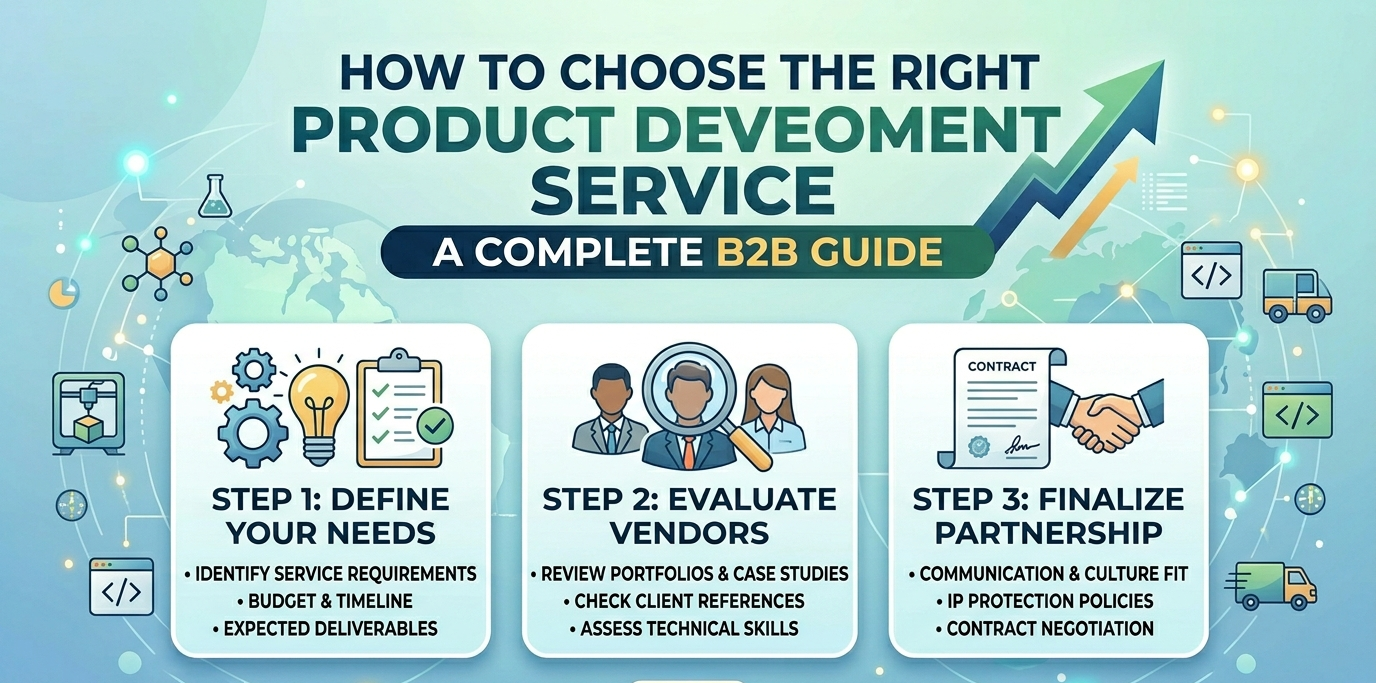
In the competitive landscape of manufacturing and interior projects, the gap between a “good idea” and a “market-ready product” is bridged by Product Development Services (PDS). Whether you are developing a custom line of furniture or engineering a new architectural wall panel system, the partner you choose dictates your project’s ROI and long-term viability.
However, selecting a service provider isn’t just about finding the lowest quote. It is about finding a technical partner who understands the nuances of the supply chain. Here is how to evaluate and select the right partner for your development needs.
What should you look for in technical expertise?
A great product development service should offer more than just aesthetic design; they must provide Design for Manufacturability (DFM).
It is easy to create a beautiful 3D render. It is much harder to design a product that can be mass-produced efficiently without compromising structural integrity. Your partner should be able to produce detailed Shop Drawings and technical CAD files that a factory can actually use. If their designs don’t account for material tolerances or the specific CNC capabilities of factories (especially in hubs like Foshan), you will face expensive delays during the production phase.
7 stages of software product development process or SDLC or Software Development Life Cycle
How important is the prototyping and trial assembly phase?
In the world of custom interiors and building materials, the prototype is the “moment of truth.”
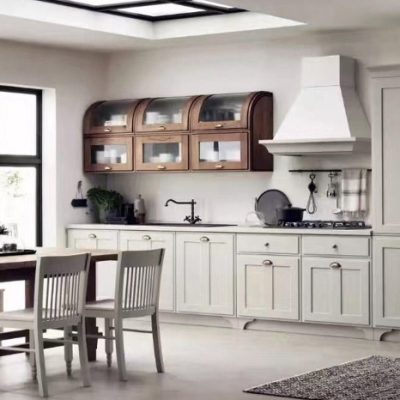
The right development service will insist on a physical prototype or trial assembly. For example, if you are developing a new kitchen cabinet system, the service provider should manage a full-scale assembly to check the “Gap and Flush”—ensuring every hinge, drawer slide, and panel aligns perfectly. This phase identifies “fail points” that are invisible on a computer screen. If a service provider skips this or only offers digital verification, you are essentially using your first shipment as your prototype—a high-risk strategy.
Does the service provider have deep supply chain integration?
Product development does not happen in a vacuum. The best services are those located within Industrial Clusters.
A service provider based in a hub like Foshan has a massive advantage: they can physically walk into the factories that produce the raw materials—the aluminum extrusions, the porcelain slabs, or the specialized hardware. This allows them to source materials during the design phase, ensuring that the finishes on your custom product will be consistent across different production batches.
How is project communication managed?
The “translation gap” is the leading cause of project failure in international sourcing. You need a partner who acts as a Technical Bridge.
They should be able to translate your high-level design requirements into specific technical instructions for factory engineers. This requires a partner who is not just fluent in English, but fluent in “Manufacturing.” Look for providers who offer transparent milestone reporting and high-definition video verification of the development process.
Key Takeaways
- Prioritize DFM: Ensure your partner designs with actual manufacturing constraints in mind to avoid “unproducible” designs.
- Insist on Prototypes: Never move to mass production without a verified physical trial assembly.
- Industrial Proximity: Choose a partner located near the manufacturing base (like Foshan) for better material sourcing and quality oversight.
- Technical Communication: Your partner must be able to bridge the gap between your vision and the factory’s technical capabilities.
FAQ: Selecting a Development Partner
Q: Is it better to use a design firm or a sourcing-integrated development service?
A: Design firms are great for aesthetics, but sourcing-integrated services are better for projects. They ensure the materials they design can actually be sourced at your target price point.
Q: How do I protect my Intellectual Property (IP)?
A: Ensure your service provider uses non-disclosure agreements (NDAs) and that you retain ownership of all CAD files and shop drawings once the development fee is paid.
Q: How long does the product development process usually take?
A: For standard furniture or building materials, the cycle from initial CAD to a verified prototype typically takes 4 to 8 weeks, depending on the complexity and material availability.
Engineer Your Vision with HSY Sourcing
At HSY Sourcing, we provide more than just a bridge to Chinese factories; we provide the technical foundation for your products. Operating from the heart of Foshan, our product development services focus on technical precision, material coordination, and rigorous trial assemblies.
We ensure that when your custom interior package or building material reaches the container, it has been engineered for excellence.