
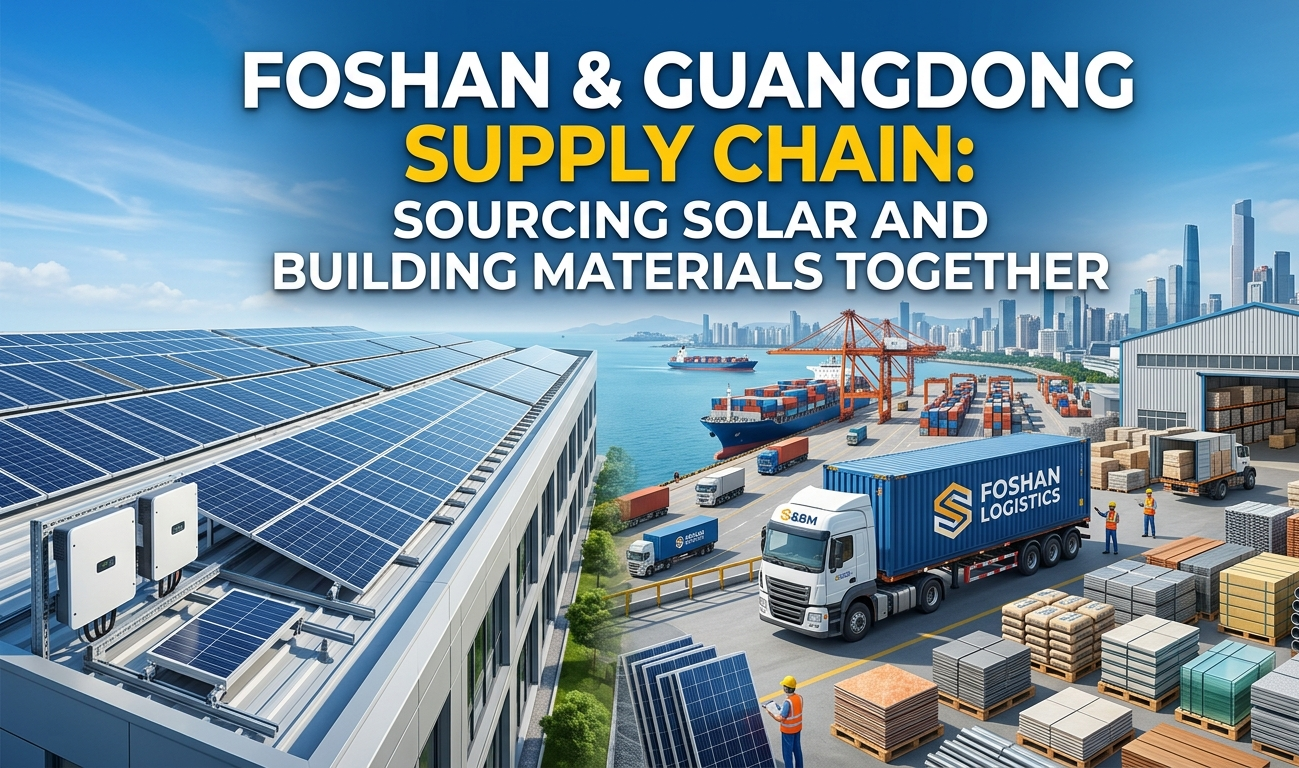
In modern commercial construction and real estate development, a building is no longer just a physical structure; it is an energy system. Developers are now tasked with procuring traditional building materials (tiles, aluminum, cabinetry) alongside renewable energy systems (solar panels, inverters, lithium batteries).
Traditionally, buyers separate these purchasing channels. However, sourcing them from different provinces in China leads to fragmented logistics, mismatched technical specifications, and inflated shipping costs.
The practical solution lies in the Guangdong regional supply chain, with Foshan acting as the central hub. Here is a grounded look at how to procure these two distinct categories together without the common operational headaches.
Why does combining solar and building material procurement make sense in Guangdong?
Direct Answer: Guangdong province houses both the world’s largest traditional building materials cluster (Foshan) and a massive high-tech renewable energy manufacturing base (Shenzhen/Dongguan/Guangzhou). The geographical proximity allows a single procurement team to manage structural and electrical components within a two-hour driving radius.
If you buy tiles from Foshan but source your solar inverters from a factory in northern China, you are paying double for domestic freight to the port. More importantly, you lose the ability to consolidate.
By keeping your supply chain strictly within the Guangdong region, your sourcing agent can physically audit an aluminum window factory in the morning and verify battery management system (BMS) protocols at a solar factory in the afternoon. This regional focus tightly controls both timelines and inland logistics costs.
How do you handle the technical overlap between structure and energy?
Direct Answer: The biggest risk in integrated sourcing is that the architectural structure won’t support the energy hardware. You handle this by forcing the factories to cross-reference their CAD shop drawings before mass production begins.
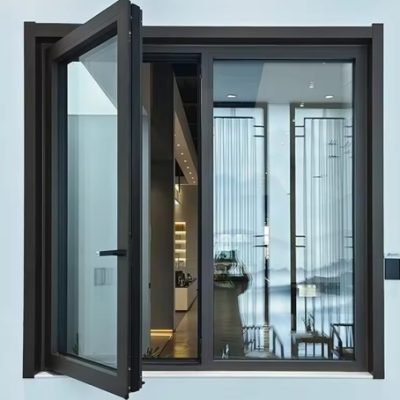
You cannot assume that a standard aluminum facade will perfectly accommodate a solar mounting rack. When sourcing in Foshan, technical alignment is critical for:
- BIPV (Building-Integrated Photovoltaics): If you are using solar glass for a curtain wall, the Foshan aluminum extrusion factory and the solar glass manufacturer must coordinate their tolerances down to the millimeter.
- Roof Loading: The weight of the solar array must be factored into the structural materials ordered for the roofing system. A professional procurement approach requires a technical review phase where the building material specs and the solar hardware specs are approved together, not in isolation.
What are the real logistical risks of shipping panels, batteries, and tiles together?
Direct Answer: Mixing heavy construction materials, fragile solar panels, and regulated lithium batteries in one container is a high-risk operation. It requires precise volumetric loading and strict adherence to Dangerous Goods (DG) export regulations.
You cannot simply tell two factories to send their goods to the port and hope for the best.
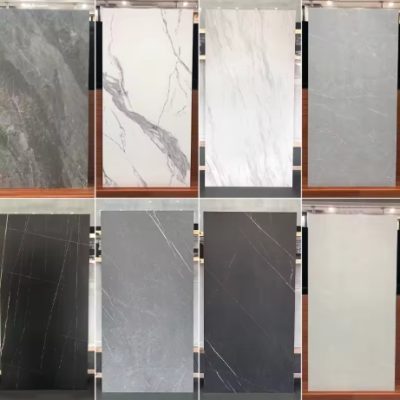
- Weight Distribution: Ceramic tiles from Foshan are incredibly heavy. If loaded incorrectly, they will crush the aluminum frames or cabinetry.
- Fragility: Solar panels must be packed in vertical wooden crates. Flat stacking during ocean transit will cause micro-cracks in the silicon cells, destroying their efficiency.
- Dangerous Goods (Class 9): Energy Storage Systems (lithium batteries) cannot be shipped like regular furniture. They require a UN38.3 test report, a Dangerous Goods declaration, and specific port handling.
The only reliable way to manage this is through a local consolidation warehouse. All goods are sent to a single Foshan facility, inspected, and then strategically loaded into the container under direct supervision.
Key Takeaways
- Leverage the Region: Keep your sourcing within Guangdong to mix Foshan’s heavy building materials with nearby high-tech solar manufacturing.
- Force Technical Alignment: Never produce building structures and solar mounts in isolation; cross-reference the CAD drawings first.
- Control the Loading: Heavy tiles, bulky furniture, and fragile panels require a staged warehouse for safe, volumetric container loading.
- Prepare for DG Logistics: Lithium batteries dictate the shipping rules. Ensure your agent is experienced in Class 9 dangerous goods export.
FAQ: Integrated Sourcing in Guangdong
Q: Is it cheaper to buy solar panels from inland China instead of Guangdong?
A: The ex-works (factory) price in inland provinces might be marginally lower, but the high inland trucking costs to a major export port will usually wipe out those savings. Sourcing near Guangdong ports (Shenzhen/Nansha) keeps logistics costs predictable.
Q: Can lithium batteries be consolidated in the same container as furniture or tiles?
A: Yes, but the entire container must be declared as containing Dangerous Goods. The packing must strictly follow DG compliance, and you must use shipping lines that accept mixed DG/General cargo.
Q: Who is responsible for ensuring the solar mounts fit the roofing materials?
A: Your sourcing agent’s technical team should facilitate the communication between the roof material factory and the solar hardware factory, resulting in a signed-off assembly drawing before you pay the deposit.
Ground-Level Procurement with HSY Sourcing
At HSY Sourcing, we don’t deal in buzzwords; we deal in factory audits, CAD drawings, and container loading logic.
Based directly in Foshan, we bridge the gap between heavy construction materials and complex renewable energy systems. We know that a delayed battery shipment or a mismatched window profile can cost a developer thousands of dollars on the job site.
When you partner with us, you are getting a local extension of your own project management team. We handle:
- Supplier Due Diligence: Verifying real factories across Foshan and the wider Guangdong tech corridor.
- Technical Synchronization: Ensuring your building materials and solar components actually fit together.
- Warehouse Consolidation: Managing the physical loading of heavy, fragile, and Class 9 goods into a single, safe shipment.