
If you are developing a real estate project—whether it’s a block of serviced apartments or a housing development—you already know the biggest challenge: The variety of items needed.
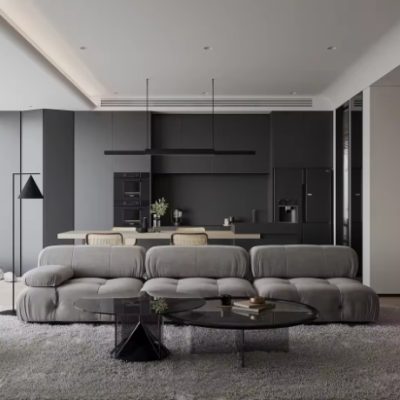
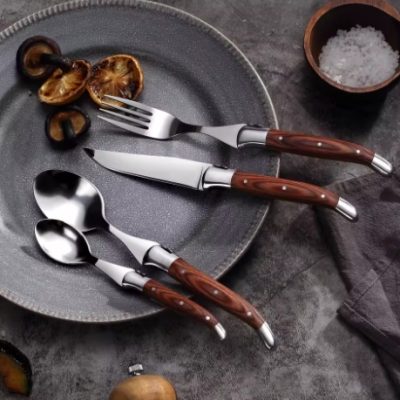
You need sofas from one place, kitchen cabinets from another, and 500 sets of bedroom furniture from a third. In Foshan, these factories are often miles apart. Trying to coordinate 10 different suppliers so that all their goods arrive at the same port, at the same time, for the same ship, is a recipe for a nervous breakdown if you’re doing it from overseas.
This is where “Mixed Container Management” comes in. It’s not just about renting a warehouse; it’s about managing a timeline that actually works.
Why is one single factory never enough for a real estate project?
In the furniture world of Shunde and Longjiang, specialization is king. A factory that makes incredible high-end sofas usually doesn’t touch wooden bed frames. A factory that makes great kitchen cabinets doesn’t make office chairs.
For a real estate project, you might have a list of 50 different items. If you try to find one “mega-factory” to do it all, they are simply buying the items they don’t make from their neighbors and charging you a 20% markup for the trouble.
A Foshan sourcing agent works differently. we go to the specialist for each category. You get factory-direct pricing on everything, but you now have the “10-Supplier Problem.” We solve that by acting as your single point of contact and consolidation hub.
How do you stop 10 different suppliers from causing one massive shipping delay?
This is the reality of furniture procurement in China: Factory A finishes in 30 days. Factory B has a machine breakdown and needs 45 days. Factory C “forgot” about your order and hasn’t started.
If you don’t have a local agent, the first nine suppliers will send their goods to the port, where you will pay astronomical storage fees while waiting for the tenth supplier.
We manage this by:
- Staggered Production: We tell the slow factories to start first.
- The “Pressure” Visit: We physically go to the factory gate. In Foshan, a face-to-face meeting is worth 100 emails.
- Buffer Storage: We use our warehouse to hold the early arrivals for free, so we only call the container to the port when 100% of the project is ready to load.
What actually happens inside a Foshan consolidation warehouse?
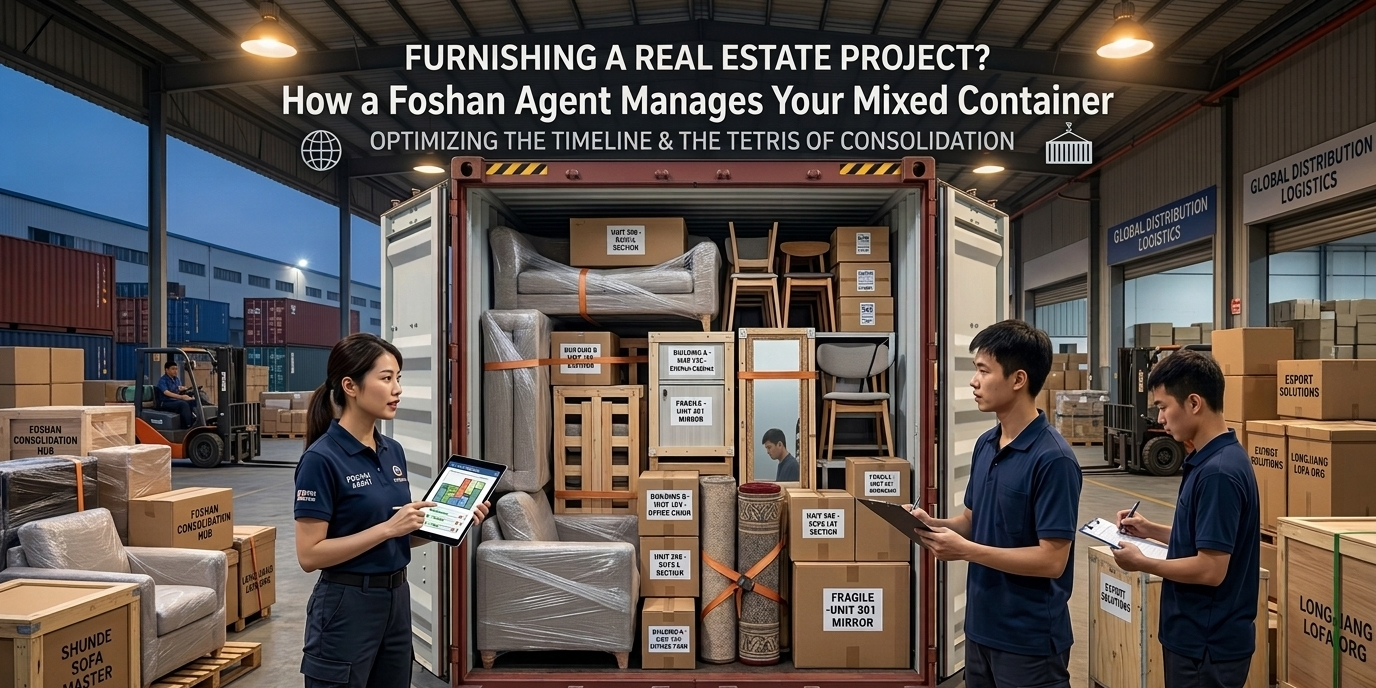
Consolidation isn’t just about moving boxes into a room. For a real estate project, it is a high-stakes game of Tetris.
When the trucks arrive from different Shunde factories, our warehouse team does three things:
- Labeling by Unit: We don’t just label a box “Chair.” we label it “Building A – Unit 302 – Kitchen Chair.” This saves your installation team weeks of work on the other end.
- The Mix-Match Check: we make sure the legs from Factory A actually fit the table tops from Factory B. Catching a screw-hole mismatch in Foshan costs $0 to fix. Catching it in London or New York costs thousands.
- Loading Logic: Heavy items (wardrobes/tiles) go at the bottom. Fragile items (glass/mirrors) go in the middle. Soft items (sofas) go on top. It sounds simple, but many factories will just throw things in, leading to crushed goods.
How does a mixed container save you from a customs nightmare?
If you ship 10 small orders separately, you have 10 sets of export documents, 10 local port charges, and 10 chances for a customs inspection. It is a logistical and financial mess.
By doing mixed container shipping from China, we consolidate everything into one “Bill of Lading.” We handle the export licenses for the smaller factories that don’t have their own, and we provide one clean set of paperwork. This makes the customs clearance process in your home country much faster and significantly cheaper.
FAQ: Managing Mixed Furniture Containers
Q: Can I mix furniture with building materials like tiles or sanitary ware?
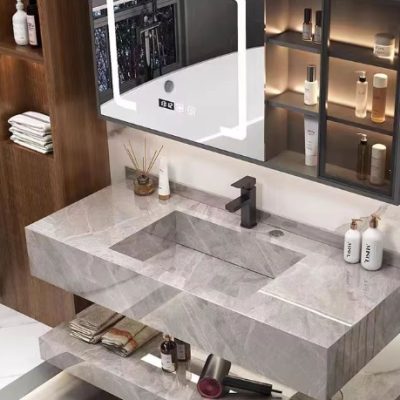
A: Yes. We often consolidate kitchen sinks from Jiangmen, faucets from Kaiping, and furniture from Foshan. This is the most efficient way to furnish a real estate project.
Q: What is the risk of “Warehouse Damage”?
A: The more you move furniture, the more it breaks. That’s why we insist on heavy-duty packaging and limited handling. Once a project item is in our warehouse, it stays in its designated zone until it goes directly into the container.
Q: How many suppliers can you fit in one 40HQ container?
A: There is no hard limit, but practically, 10-15 suppliers is the “sweet spot.” Any more than that and the paperwork and coordination become incredibly complex, increasing the risk of a late-arrival delay.
Q: Is it cheaper to ship a half-full container or wait for the last supplier?
A: Almost always, it is cheaper to wait. Ocean freight is expensive, but the “local charges” at the port are the same whether the container is full or empty. We help you calculate the “tipping point” where it makes sense to ship what’s ready.
The Bottom Line
Furnishing a building by yourself is a full-time job. A Foshan furniture sourcing agent isn’t just a “buyer”—we are your project manager and warehouse supervisor. We turn 10 messy factory orders into one clean, professional container that arrives at your site ready for installation.
Managing a project in Foshan right now? Send us your item list and your expected completion date. We’ll show you a consolidation plan that keeps your suppliers on track and your shipping costs down.