
Power, Precision, and Durability: Sourcing Mixers That Last
In the kitchen appliance market, the difference between a 5-star product and a 1-star return is often hidden inside the housing. It comes down to all-metal gears vs. plastic gears, copper motors vs. aluminum, and heat dissipation. As your sourcing partner in China, we act as your technical engineers, connecting you with factories that produce for top global heritage brands. We ensure your mixers have the torque to handle heavy dough without burning out.
Mixer Categories We Source
Whether you are targeting the budget-friendly retail market or the high-end professional chef segment, we have verified supply chains for:
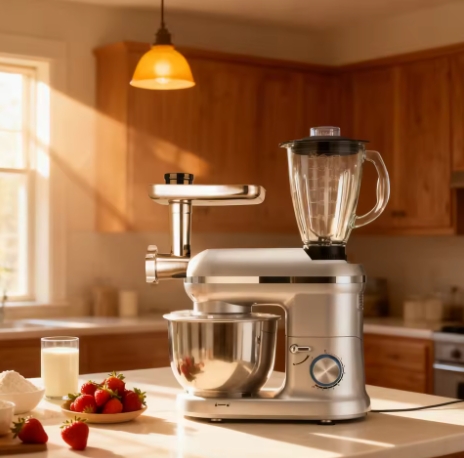
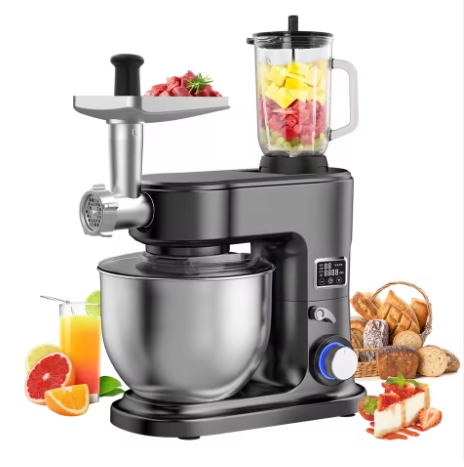
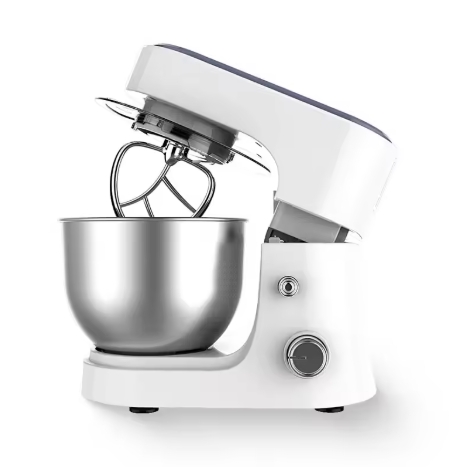
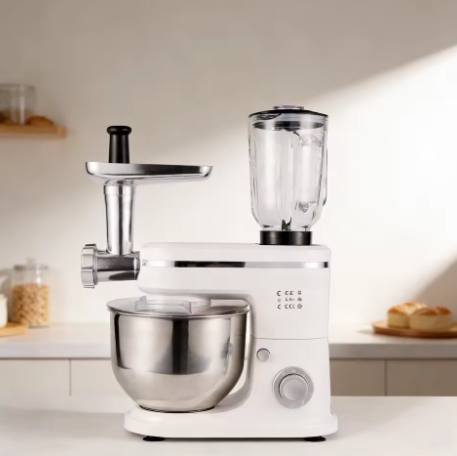
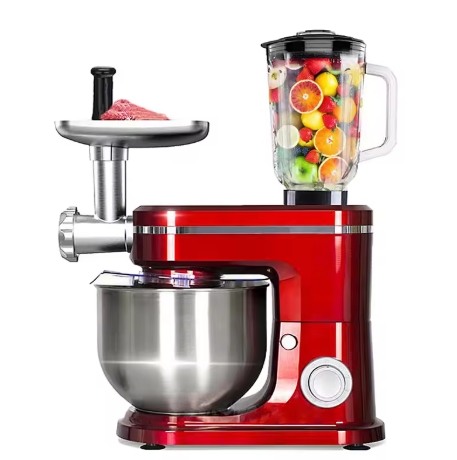
- Planetary Stand Mixers: 4L to 7L capacities with tilt-head or bowl-lift designs (Die-cast metal or ABS bodies).
- Electric Hand Mixers: Lightweight, high-speed units with storage cases and multiple attachment options.
- Commercial Dough Mixers: Heavy-duty spiral mixers designed for bakeries and industrial use.
- 2-in-1 Combo Mixers: Hand mixers that detach from a stand base for versatility.
- DC Motor Quiet Mixers: Premium units offering high torque with significantly reduced noise levels.
The Agent Value: Our Technical Oversight
1. The “Heart” of the Mixer: Motor Audit
The motor is the most expensive component and the easiest place for factories to cut costs. We protect your investment by verifying:
- Pure Copper Windings: We reject “Copper Clad Aluminum” (CCA) motors that overheat and fail quickly.
- AC vs. DC Motors: Helping you choose between standard AC motors (louder, cheaper) or high-efficiency DC motors (quiet, powerful, premium).
- Wattage Verification: Ensuring the “800W” label on the box is backed by actual input power, not just peak power.
2. Gear System & Transmission
A mixer is useless if the gears strip under load.
- All-Metal Gears: For premium lines, we verify the use of durable zinc-alloy or steel gears.
- POM (Polyacetal) Gears: For mid-range models, we check the density of the plastic gears to ensure they are wear-resistant and properly greased.
3. Attachments & Food Safety
We ensure all food-contact parts meet international safety standards (FDA, LFGB, DGCCRF).
- Whisk, Dough Hook, Beater: Verifying material quality (Stainless Steel 304 vs. Chrome Plated Iron) to prevent flaking or rusting.
- Bowl Finishing: Checking polishing quality to ensure no metal residue remains.
Our Quality Control (QC) Protocols
Our team performs “Stress Tests” that replicate years of kitchen use:
- The “Bread Dough” Load Test: We run the mixer with maximum capacity stiff dough (flour + water) to check if the motor stalls or overheats.
- Life Cycle Testing: Running the unit for ON/OFF cycles (e.g., 500+ cycles) to test switch durability.
- Noise Level Test: Using decibel meters to ensure the mixer operates smoothly without “grinding” sounds.
- Suction Cup Stability: Verifying the unit doesn’t “walk” across the counter during high-speed operation.
How to Start Your Mixer Project
- Define Your Tier: Are you competing with KitchenAid (High-end, Die-cast body) or budget supermarket brands (Plastic body)?
- Factory Matching: We select the factory based on your tooling budget and MOQ requirements.
- Gold Sample Review: We send you a fully functional sample to test the weight, finish, and mixing performance.
- Production Management: We monitor the assembly line to ensure consistent grease application and screw torque.
Build a Brand Known for Reliability
Don’t let motor burnouts destroy your reviews. Source mixers with verified internal engineering.